
Most blockchains don’t fail because the tech breaks.
They fail when coordination collapses.
“Technology secures networks. Governance keeps them alive.”
For real users, games, and brands, trust is invisible.
It must work without friction.
That requires governance that aligns validators, builders, and token holders.
Decisions must be predictable.
Execution must be reliable.
And incentives must push everyone in the same direction.
This is where plasma xpl treats governance as infrastructure, not decoration.
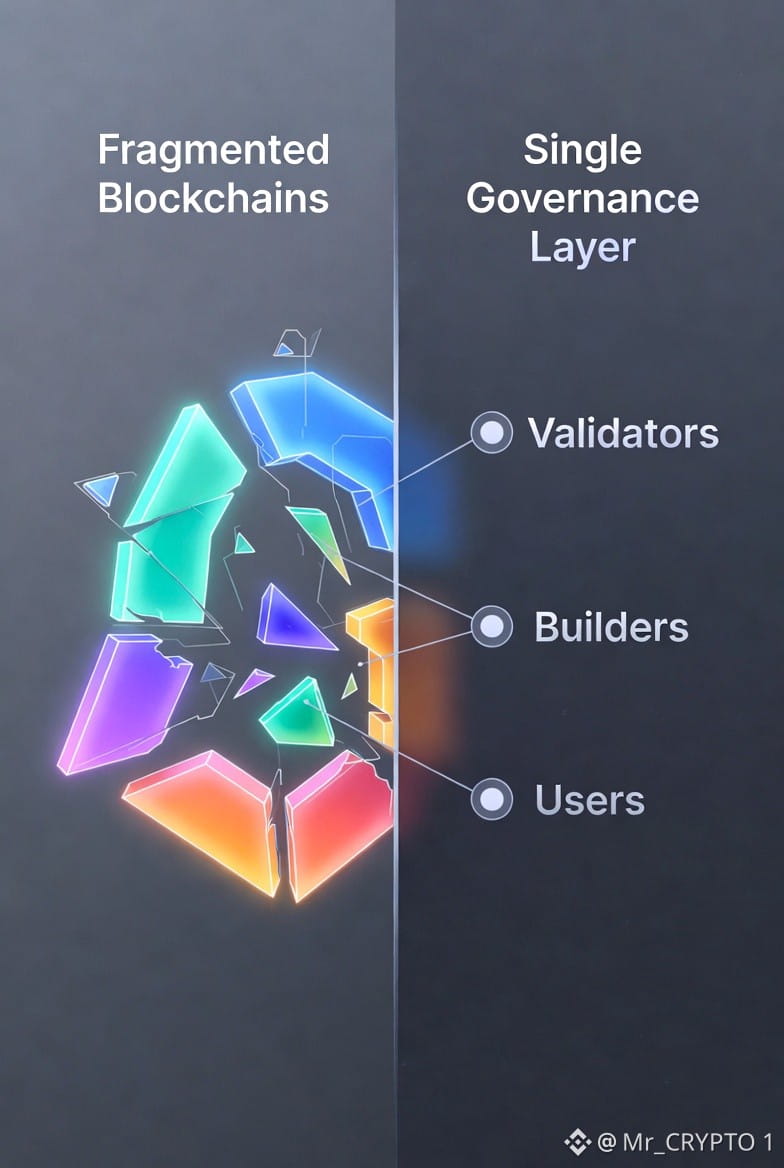
Governance is not paperwork.
It’s the operating system of the network.
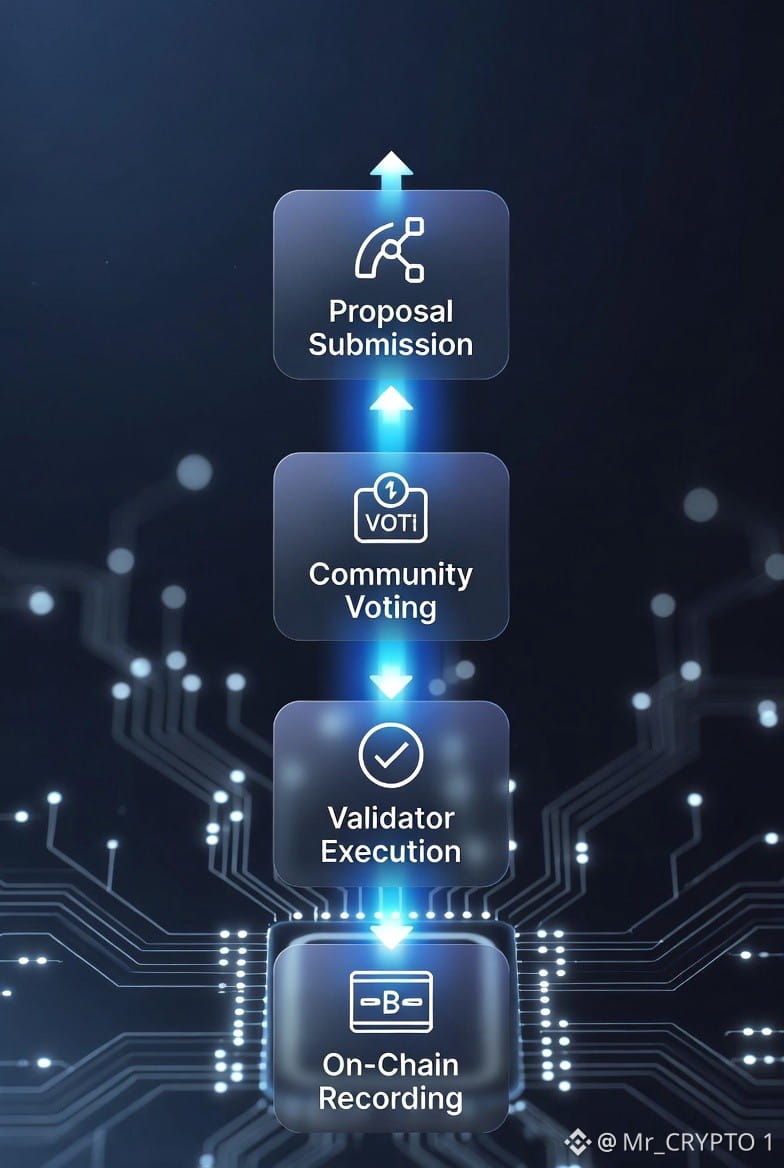
Proposals are submitted on-chain.
Token holders vote with real influence.
Validators execute outcomes transparently.
Every decision is recorded immutably.
Together, these processes ensure upgrades don’t stall.
Conflicts don’t linger.
And coordination scales with usage.
As a result, plasma xpl governance stays responsive while remaining stable — even as adoption grows across games and brands.
Stability doesn’t happen by chance.
Incentives shape behavior.
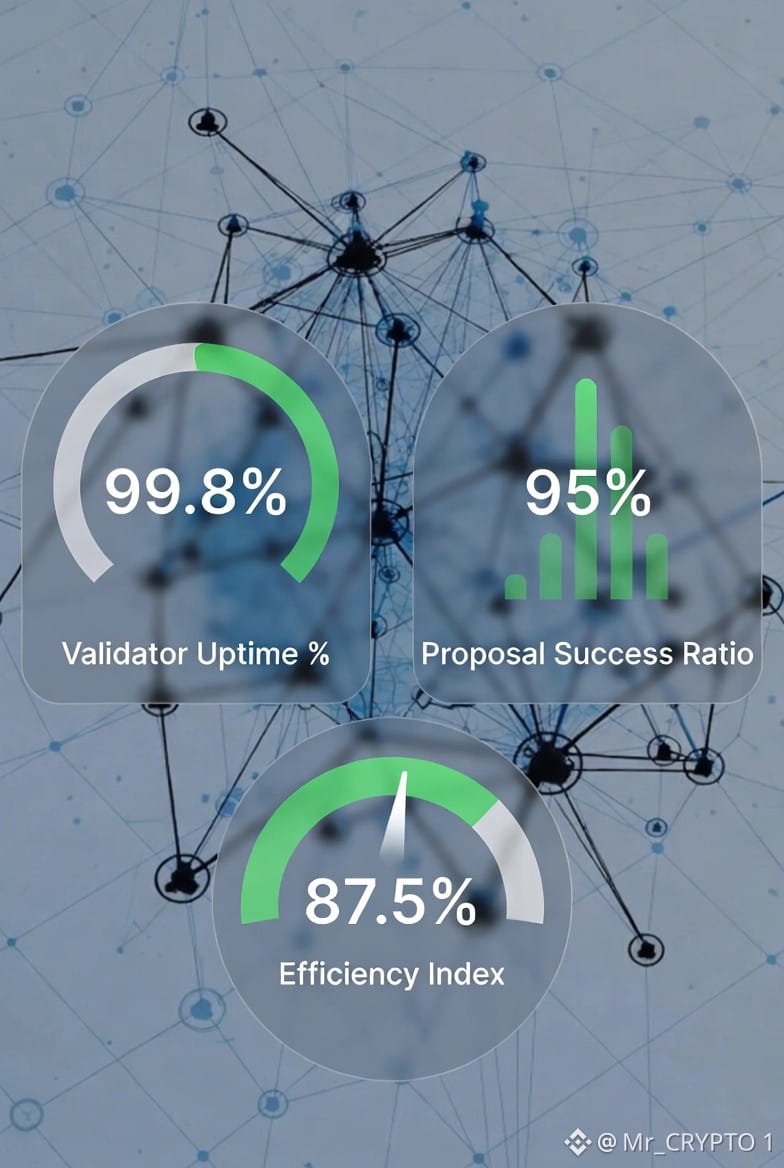
Validators earn rewards for >99% uptime.
Honest execution is continuously incentivized.
Long-term participants gain compounding governance influence.
Malicious behavior triggers slashing and exclusion.
Proposal success rates remain consistently high.
Governance efficiency improves with participation.
As a result, these incentives protect data availability and preserve performance under stress — even during peak demand.
The strongest networks fade into the background.
Users don’t notice them — they trust them.
plasma xpl governance functions as invisible infrastructure.
Transparent by default.
Adaptive by design.
Aligned through incentives.
For games, brands, and real users, this isn’t optional.
It’s the foundation for long-term relevance.

Will the next generation of networks win through faster code —or through smarter, token-holder-driven governance?
Which will you bet on?

