
When comparing @Plasma with most general-purpose blockchains, the biggest difference isn’t technology—it’s intent.
Many chains today are built to support everything: DeFi, NFTs, gaming, social, AI. That breadth creates fast narrative growth, but it also leads to fragmented liquidity, inconsistent usage, and heavy reliance on incentives. Activity looks busy, but a lot of it disappears once rewards dry up.
Plasma takes a different route. Instead of optimizing for the number of apps, it optimizes for transaction relevance. The focus on payments and stablecoin flows means Plasma is targeting use cases where reliability, throughput, and predictable fees matter more than experimentation.
Compared to high-activity chains that spike during hype cycles, Plasma’s adoption path is slower but potentially stickier. Payment rails don’t generate flashy headlines, but once embedded, they’re hard to replace. That creates a different kind of moat—one based on repeat usage rather than constant user acquisition.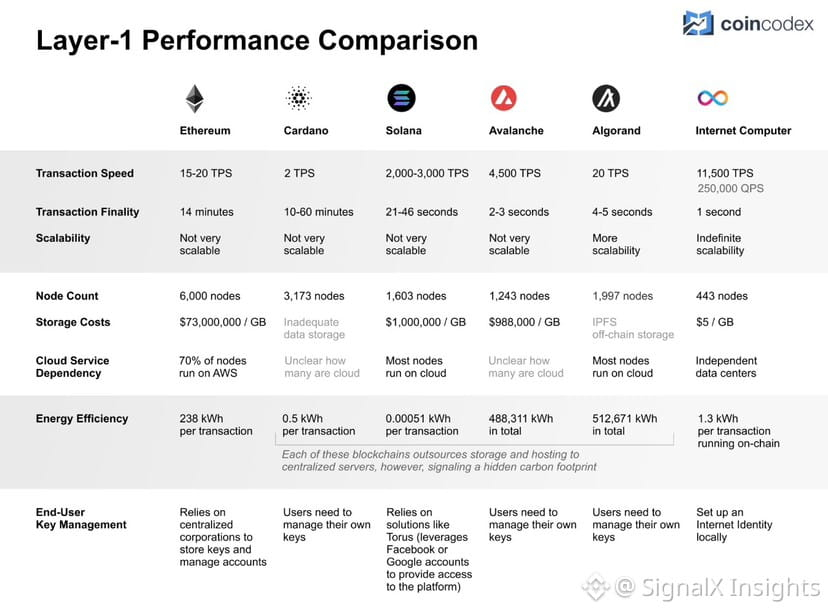
From a token perspective, this matters. On many chains, value accrual depends heavily on speculation and sentiment. With Plasma, $XPL has a clearer path to being tied to real network usage if transaction volume grows consistently.
Plasma may never look as “busy” as chains chasing every trend. But if real value keeps moving through the network, that quiet consistency could end up being the stronger signal.