
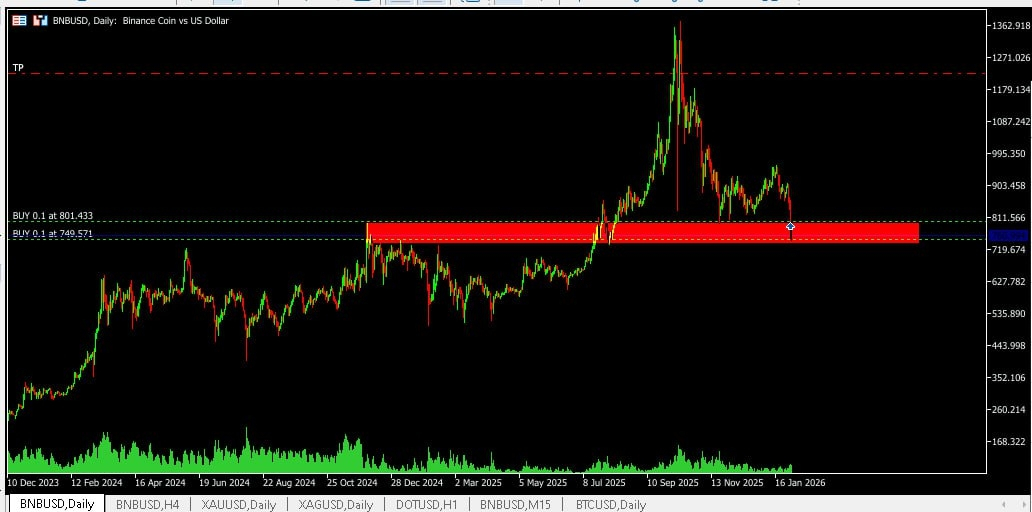
When a trader or an investor has a proven market approach, and fully accepts the reality of the inherent risk in financial markets, the loss stops being experienced as a personal failure.
Each position then becomes what it should be: a statistical event among a series of others, capable of producing a gain or a loss, regardless of the trader's experience, capital, or background.
At this stage, the real work is no longer about trying to avoid any loss, but about repeatedly making the same consistent decisions with discipline, over and over, until the results emerge over time. Trading ceases to be emotional and becomes procedural.
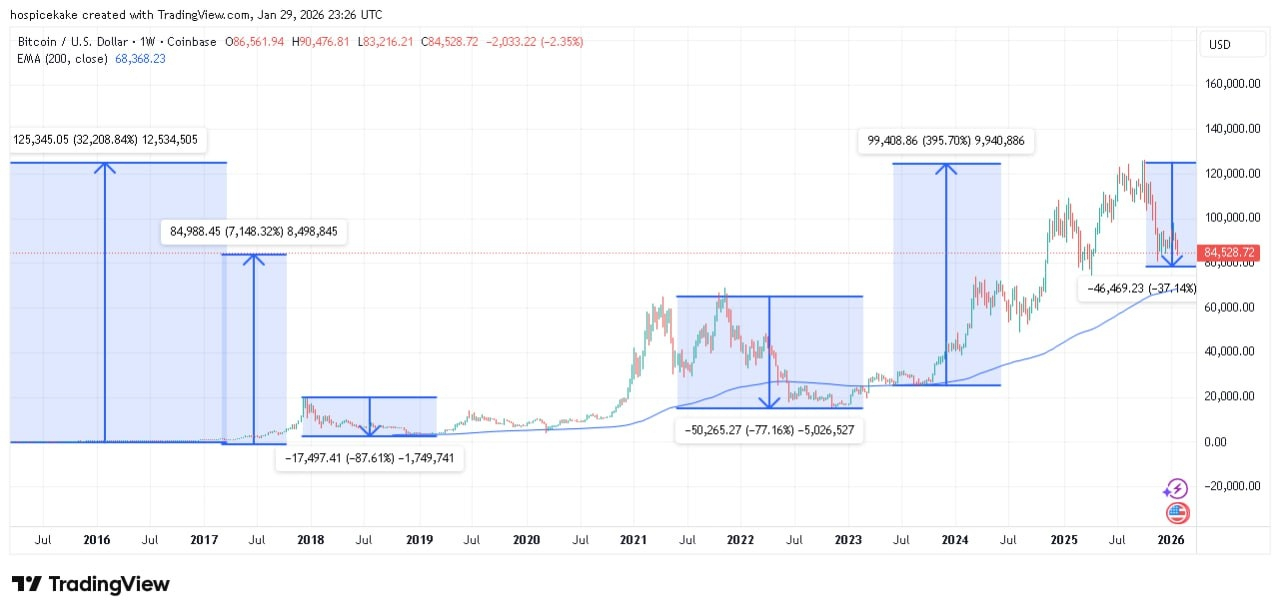
The real question is therefore as follows:
how many traders truly trust their approach to the point of executing it without hesitation when the markets enter a correction phase, sometimes deep and prolonged?
In hindsight, it is difficult — if not impossible — to find an active professional trader who has never lost money in the markets. The difference does not lie in the absence of losses, but in the ability to integrate them as a normal component of the process. Wanting to trade without ever losing is, in reality, not to trade at all.
Nothing happens as long as no position is open. Nothing materializes either as long as no position is closed. The trader always retains the freedom to exit the market when they feel that conditions are no longer favorable or that their confidence is in question.
It is precisely for this reason that risk management and position sizing must remain compatible with minimal financial pressure. Excessive exposure undermines decision-making. Conversely, an appropriate size allows one to remain clear-headed, disciplined, and aligned with their plan.
In the long term, consistency, emotional control, and trust in a proven methodology remain the true levers of sustainable performance.
So, may I ask you this final question:
👉 Do you really trust your approach when the market goes through prolonged downturns, or only when conditions are favorable to you?