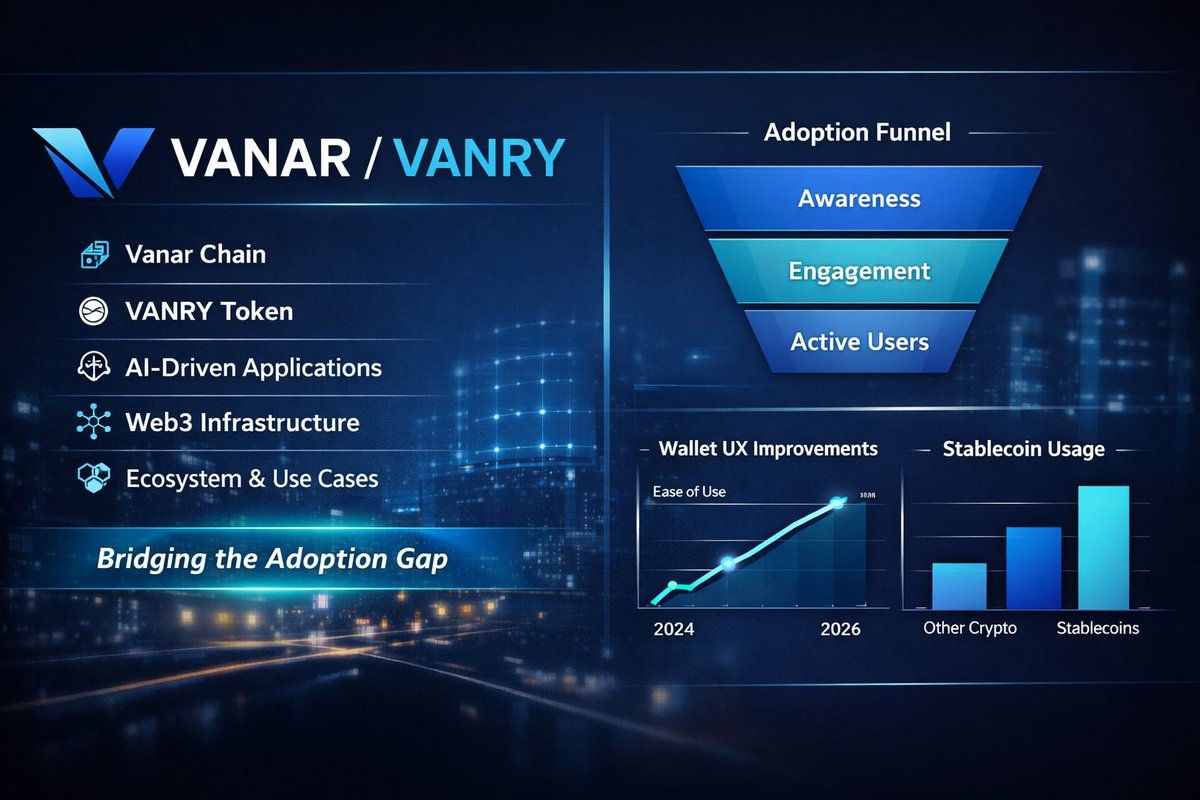
Every blockchain cycle tells the same story at first. New Layer 1s appear, promising speed, scalability, and a clean break from whatever came before. The language changes slightly, but the pitch rarely does. This one is faster. That one is cheaper. Another is more decentralized. After a while, it all blurs together. What usually gets lost is the uncomfortable reality that most of these networks are still talking to the same small crowd, people who already live and breathe crypto. And that’s why Vanar caught my attention. Not because it claims to solve everything, but because it seems to be aiming at a different audience altogether.
Vanar is built around a simple but brutal question: how do you get people into Web3 who don’t care about Web3? Not traders. Not developers. Normal users. Gamers. Fans. Brands. People who just want digital experiences to work without friction or confusion. When you really think about it, that’s the core problem this entire industry keeps dodging. Crypto keeps asking users to adapt to it, instead of adapting to users.
The average onboarding flow today is still a mess. Wallets, seed phrases, bridges, gas fees, network switching. Even experienced users mess it up sometimes. For newcomers, it feels risky and intimidating, like one wrong click could cost real money. That fear alone blocks adoption. Vanar seems to acknowledge that this isn’t a minor UX issue, it’s a structural flaw. If Web3 wants billions of users, the complexity has to disappear into the background.
What stands out is the team’s background. This isn’t a project built purely by protocol engineers chasing benchmarks. There’s real experience in gaming, entertainment, and working with brands. That matters more than people admit. Building infrastructure is one skill. Building products people actually enjoy using is another. Mainstream users don’t forgive rough edges. They don’t read documentation. They don’t troubleshoot. If something feels clunky, they leave. That’s the standard Vanar is trying to meet, and it’s a brutal one.
Instead of focusing solely on abstract tooling, Vanar connects its blockchain directly to consumer-facing ecosystems. Gaming plays a central role, and for good reason. Games already have digital economies, virtual items, and passionate communities. Ownership in games makes intuitive sense. But the challenge is execution. Gamers don’t want lectures about decentralization. They want smooth gameplay, fair systems, and meaningful progression. Blockchain only works here if it stays out of the way.
That’s where platforms like Virtua Metaverse and the VGN games network come into the picture. These aren’t just proofs of concept. They’re attempts to wrap blockchain functionality inside experiences that already feel familiar. Digital worlds, branded environments, interactive collectibles. The blockchain becomes infrastructure, not the main character. If done right, users don’t feel like they’re “using crypto.” They’re just participating.
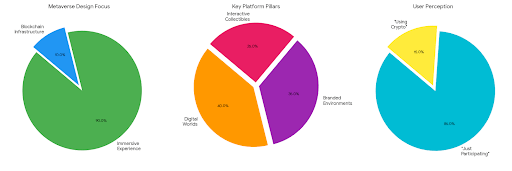
Still, this approach isn’t safe. In fact, it’s riskier than building another developer-first chain. Developers tolerate friction. Early adopters expect instability. Mainstream users do not. If onboarding isn’t seamless, if performance drops, if costs feel unpredictable, adoption stalls immediately. There’s no patience window. That’s why consumer-first Web3 is such a high-stakes bet.
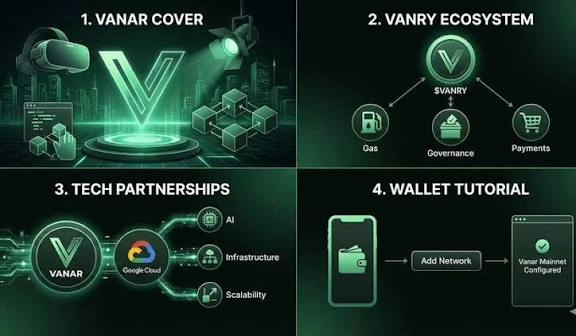
At the center of Vanar’s ecosystem is the VANRY token. It powers transactions, rewards, and access across the network. In theory, it ties usage directly to value. In practice, token economics are fragile. Utility only matters if people actually use the network. If adoption grows organically through games, metaverse experiences, and brand integrations, VANRY gains real relevance. If growth slows, narratives get tested fast. That’s not cynicism. That’s just how crypto markets behave.
What I find genuinely interesting is Vanar’s focus on brands and entertainment. Traditional companies don’t care about blockchains for ideological reasons. They care about engagement, reach, and monetization. If a blockchain helps them create better digital experiences, loyalty programs, or immersive campaigns, then it has value. If it adds complexity or risk, it gets ignored. Vanar’s approach suggests it understands that balance. Blockchain as a tool, not a selling point.
There’s also the broader Layer 1 reality to contend with. This space is crowded and unforgiving. Ethereum owns security and liquidity. Solana dominates speed and consumer apps. Other networks fight for specialized niches. To survive here, a chain needs more than good tech. It needs an identity that people can feel. Vanar’s identity seems to revolve around normalizing Web3 through entertainment and consumer platforms, not through financial abstraction.
But let’s not pretend the challenges aren’t massive. Scaling infrastructure, maintaining decentralization, navigating regulation, convincing brands to commit long-term, all while markets swing violently. Bringing even a fraction of the so-called “next three billion users” into Web3 requires more than ambition. It requires consistency, patience, and flawless execution over years, not months.
I keep coming back to this thought: most people won’t adopt Web3 because they believe in it. They’ll adopt it because it feels useful, fun, or natural. If Vanar succeeds, users won’t talk about blockchains at all. They’ll talk about games they enjoy, worlds they explore, digital items they own. The tech will fade into the background, which is exactly where it belongs.
And if it fails, it won’t be because the vision was small. It will be because building invisible infrastructure for the real world is one of the hardest problems in technology. Either way, Vanar represents a direction this industry desperately needs to explore. Less noise. Less jargon. More real users doing real things, without ever having to think about what’s happening under the hood.