
There is a specific kind of tension that crypto creates and it often arrives in silence. You tap confirm and the screen does not answer right away. Your mind starts racing. You wonder if you should tap again. You wonder if the price will move before your action lands. You wonder if you just sent money into a void. Fogo begins inside that feeling and it treats it as the real problem. In the Fogo litepaper the team argues that many fast chains still ignore something basic and physical. The planet is big. Networks have distance. The slowest tail events decide the experience. Fogo calls latency the base layer and not a nuisance and it builds its whole identity around that idea. It is not trying to be a chain that sounds fast. It is trying to be a chain that feels immediate when real people are trying to act.
Fogo also chooses familiarity on purpose because comfort matters when money is involved. It runs the Solana Virtual Machine so that developers can bring existing Solana style programs and tools with minimal change. The litepaper describes Fogo as an adaptation of Solana that keeps the Solana Virtual Machine execution layer while aiming for significantly faster settlement. The MiCA whitepaper repeats the same foundation in more formal language and adds that the network supports parallel execution and reuse of Solana based programs and infrastructure without substantial modification. That decision is not only technical. It is emotional. It is a promise that builders do not have to start from zero again and users do not have to wait years for an ecosystem to grow.
The deeper narrative behind Fogo is about making hard tradeoffs and being honest about why. Messari described Fogo as an SVM layer one designed for institutional grade onchain finance and said it makes targeted architectural choices to maximize throughput and minimize latency. That includes leaning into a single canonical validator client and a curated validator set and a multi local consensus model that coordinates validator location to reduce network delay while keeping a fallback path to global consensus. This is the part of the story where Fogo stops sounding like generic marketing and starts sounding like a team that has stared at the pain points long enough to pick a lane. The lane is performance that stays stable under stress. The lane is predictability that traders and normal users both feel as safety.
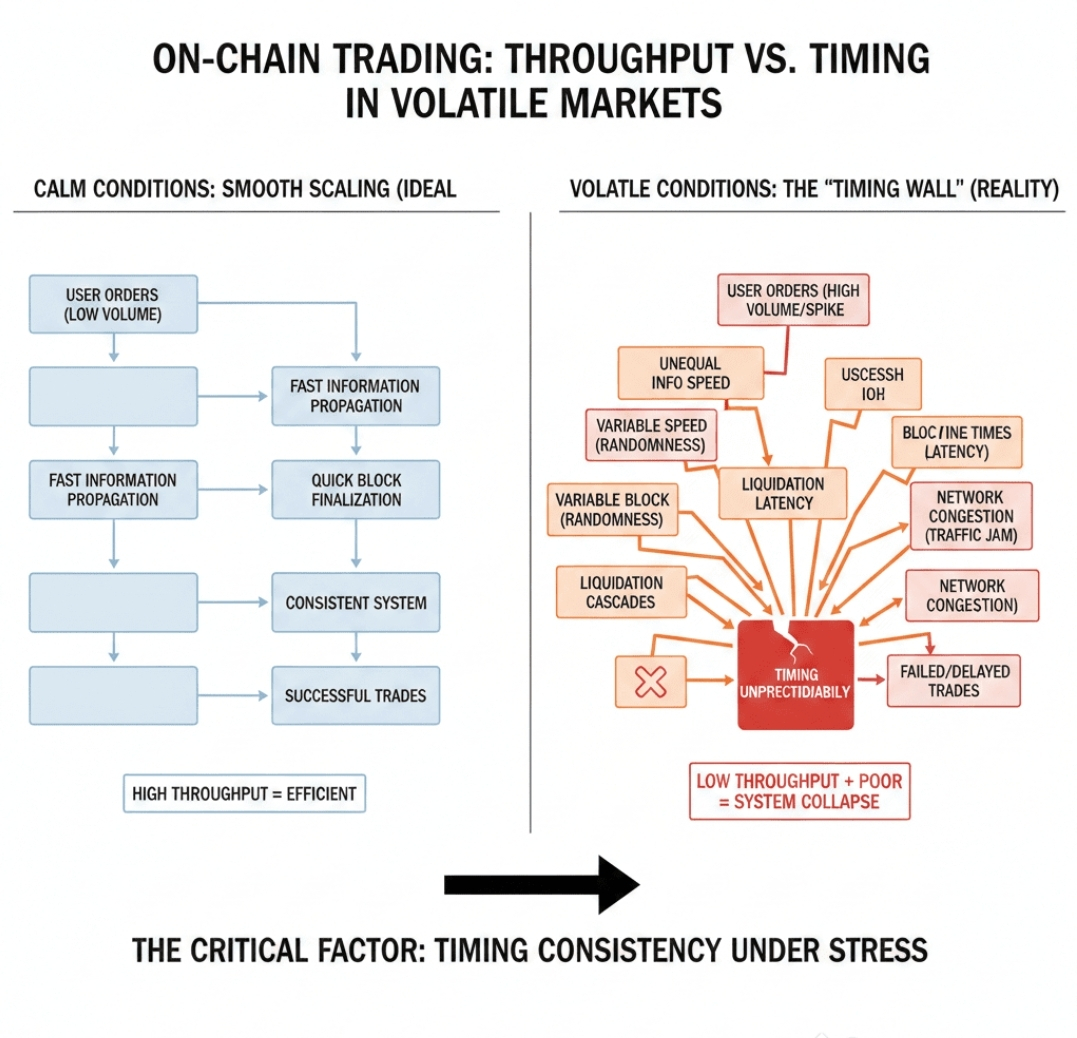
If you strip the engineering down to a human sentence it becomes this. Fogo wants the network to answer before doubt has time to grow. In the litepaper Fogo explains that consensus is dominated by communication delay across the wide area internet and that if you reduce the physical distance that critical data must travel before finality then you can meaningfully improve latency. The MiCA whitepaper expands this into a concrete design story. Validators run a high performance Solana compatible Firedancer client with Fogo specific modifications and they can operate in coordinated geographic zones called multi local consensus. Zones can rotate globally to keep operational resilience and a form of geographic decentralization while still allowing performance sensitive epochs where validators are co located for ultra low latency. Even if you never think about zones the effect they aim for is simple. You press a button and the chain feels like it is right there with you and not far away across oceans.
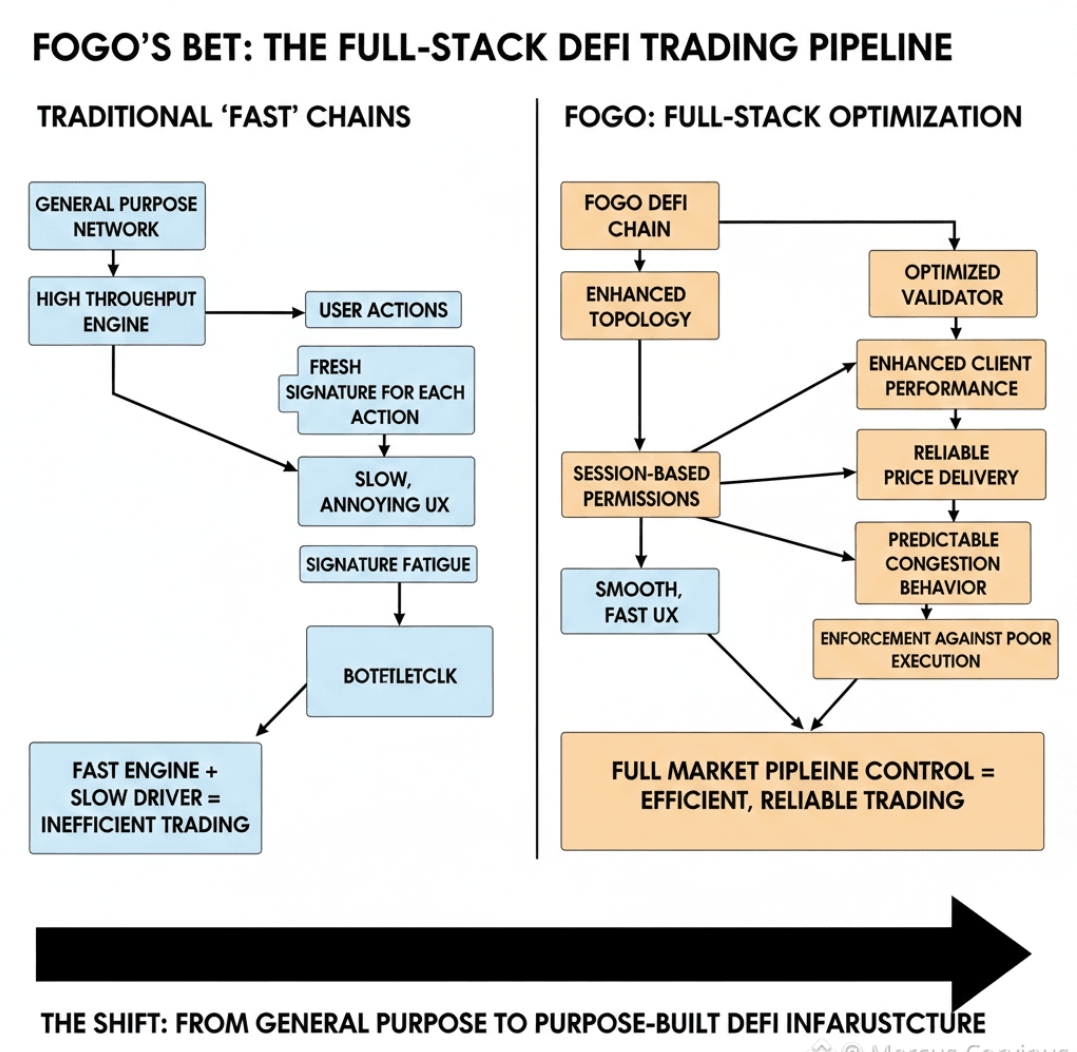
But speed alone does not heal the biggest emotional wound in crypto. The biggest wound is friction that never stops. Wallet prompts that interrupt every step. Approvals that feel like traps. Gas that makes people second guess even small actions. Fogo Sessions is designed as an answer to that exhaustion. In the official docs Fogo Sessions are described as a chain primitive that lets users interact with apps without paying for gas or signing individual transactions. The docs say Sessions combine account abstraction with paymasters for transaction fees and include user protection features to help people explore apps without fear that their wallets will be compromised. They also explain an important boundary. Sessions are meant for SPL tokens and not for native FOGO. The intention is that everyday activity happens with SPL tokens while native FOGO is used by paymasters and other low level primitives on chain. When you imagine this in real life it becomes a different kind of experience. You connect once. You approve a controlled session. Then you can actually use an app without feeling like you are being stopped at every doorway.
Now the story becomes personal because this is where normal people enter. The official start guide on the Fogo site describes a simple path. You go to Fogo Portfolio. You connect an SVM wallet. You transfer in. You approve in your Solana compatible wallet. You see the transaction on the explorer. The same page explains the promise of Sessions in plain language by saying it removes the need to pay for gas and constantly sign transactions and frames it as single sign on meeting onchain transactions. This matters because adoption is often lost in the first five minutes. People do not quit because they hate the idea of crypto. They quit because the first experience feels sharp and confusing. Fogo is trying to make the first experience feel like walking forward instead of stumbling.
Once you are on the network the path is meant to feel built for motion. Fogo positions itself as purpose built for trading and it publicly claims very fast block times and confirmation targets on its main site along with the idea of colocation consensus and a custom Firedancer client modified for stability and speed. You can treat these claims as goals that must be proven in the open market but they show what the team believes matters most. When a chain is built for trading it is also built for any experience where timing equals fairness. Order books. Auctions. Liquidations. Real time games. Even a simple swap becomes less stressful when finality arrives quickly enough that you do not feel trapped between two outcomes.
Getting value into a new chain is also part of real life usability and Fogo has leaned on established interoperability rails. Wormhole announced that Fogo mainnet is live with Wormhole serving as the official native bridge for the ecosystem. That matters because it gives users and builders a direct way to move assets in and out and it lowers the emotional barrier of trying something new. People experiment more freely when they know they are not locking themselves into a dead end. Fogo also documents a Wormhole bridge section inside its ecosystem docs which signals that bridging is not an afterthought but part of the onboarding story.
Under all the features there is one quiet theme that holds the narrative together. Fogo is trying to protect attention. In crypto attention is constantly taxed by delays and prompts and uncertainty. Every time the chain hesitates you pay with stress. Every time your wallet interrupts you pay with focus. Fogo takes a different stance. It treats speed and user flow as dignity. It keeps the execution environment familiar through the Solana Virtual Machine so builders can arrive with confidence. It designs consensus around the truth of distance so finality can feel closer. It adds Sessions so everyday actions can feel calmer and safer. If it succeeds then the biggest win will not be a benchmark. The biggest win will be a moment. The moment you press confirm and you do not hold your breath.