
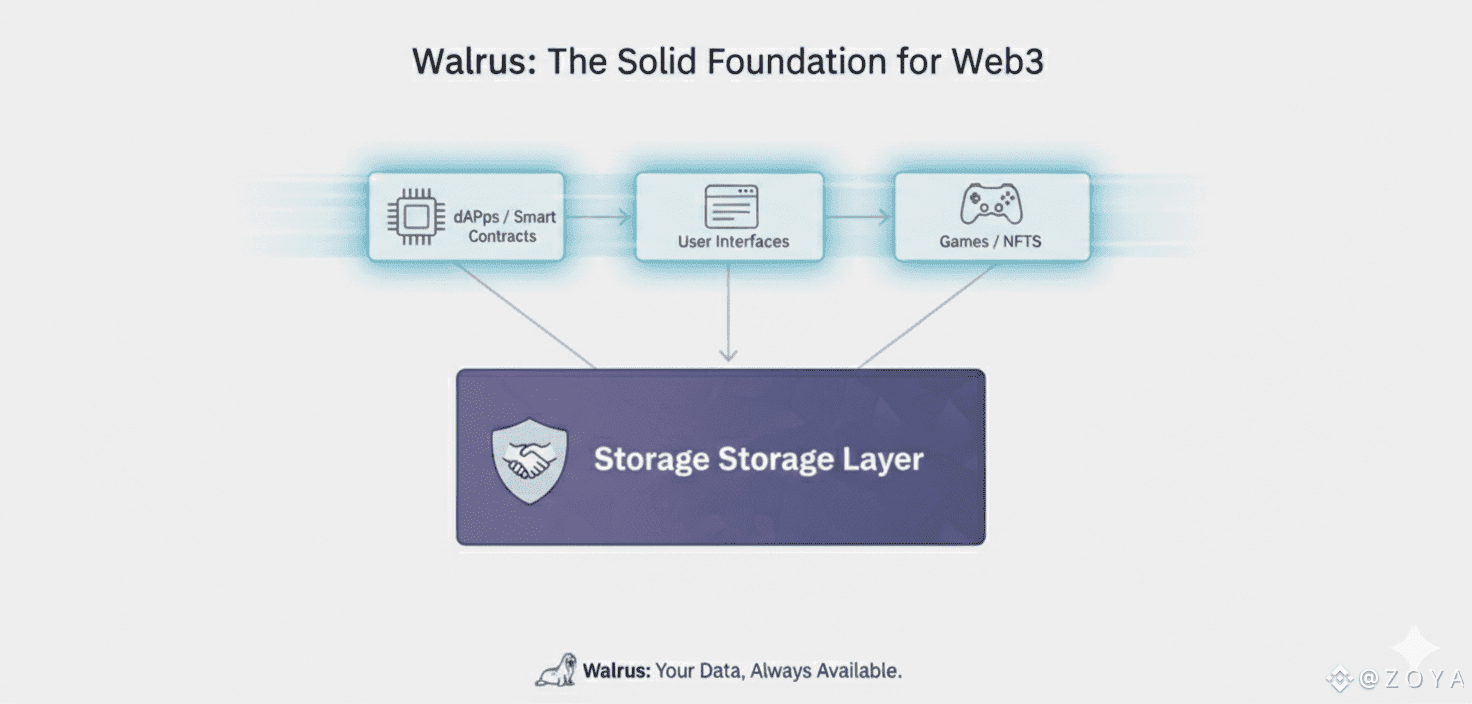
Everyone loves speed until something disappears.
Then suddenly the quiet layer underneath matters more than the fireworks on top.
Walrus sits exactly there. Under the noise. Under the demos. Under the promises. It isn’t trying to be loved. It’s trying to be depended on. And those are two very different goals in this industry.
Most systems talk about decentralization like it’s a vibe. Walrus treats it like a responsibility. Data isn’t just content here—it’s liability. Something you either handle correctly or you don’t get to pretend you’re building serious infrastructure. No shortcuts. No “temporary” centralized fixes that somehow last forever.
What makes Walrus uncomfortable for some builders is that it removes excuses. When storage is designed to survive failure by default, outages stop being mysterious acts of god. They become design flaws. That’s a harsh mirror, and not everyone likes what they see when they look into it.
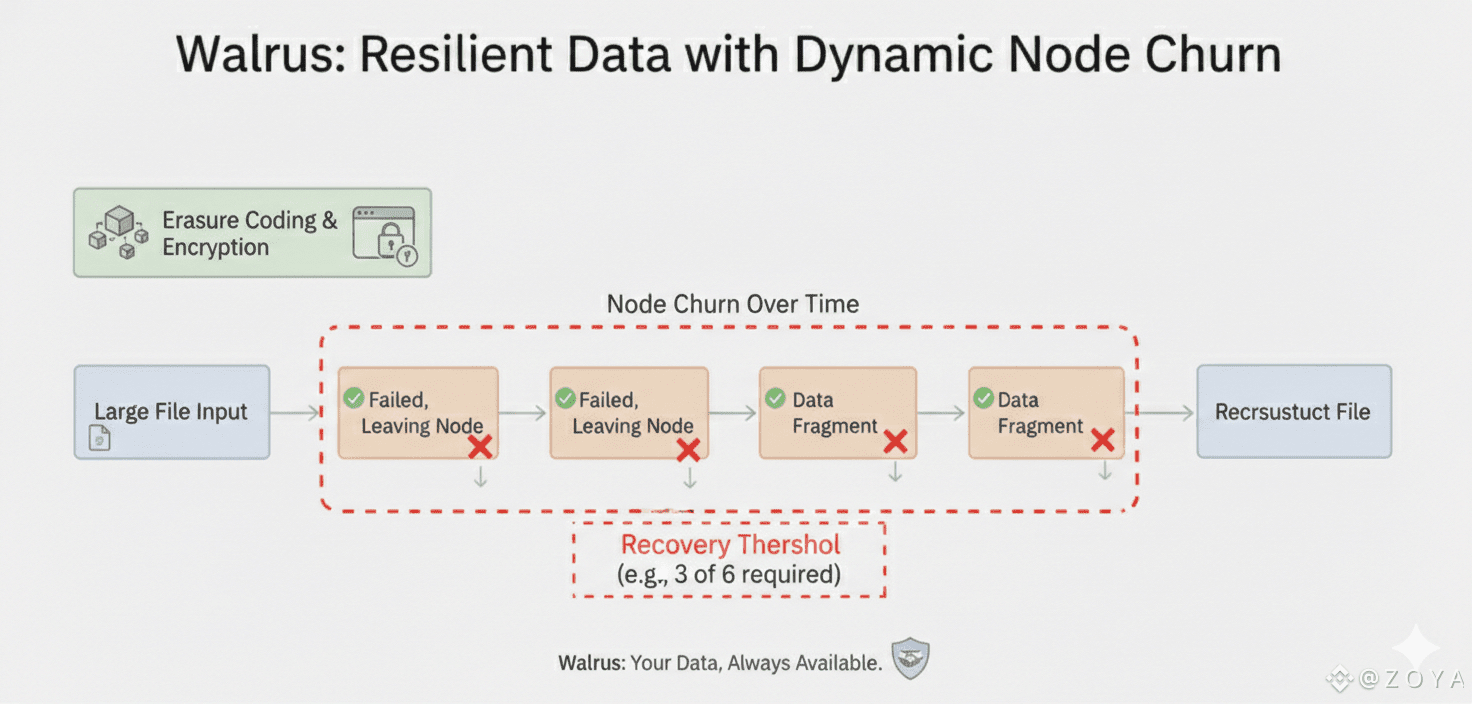
The network assumes instability. Nodes come and go. Hardware fails. Operators mess up. Instead of fighting that reality, Walrus leans into it. Fragmentation. Redundancy without waste. Recovery without panic. It’s not elegant in a glossy sense. It’s elegant in a “this still works at 3 a.m.” sense.
Privacy follows the same philosophy. No one hosting fragments gets to peek. There’s no curiosity tax built into the system. Data stays unreadable unless it’s meant to be read. That choice cuts off entire classes of convenience features—and that’s intentional. Walrus would rather be dull than leaky.
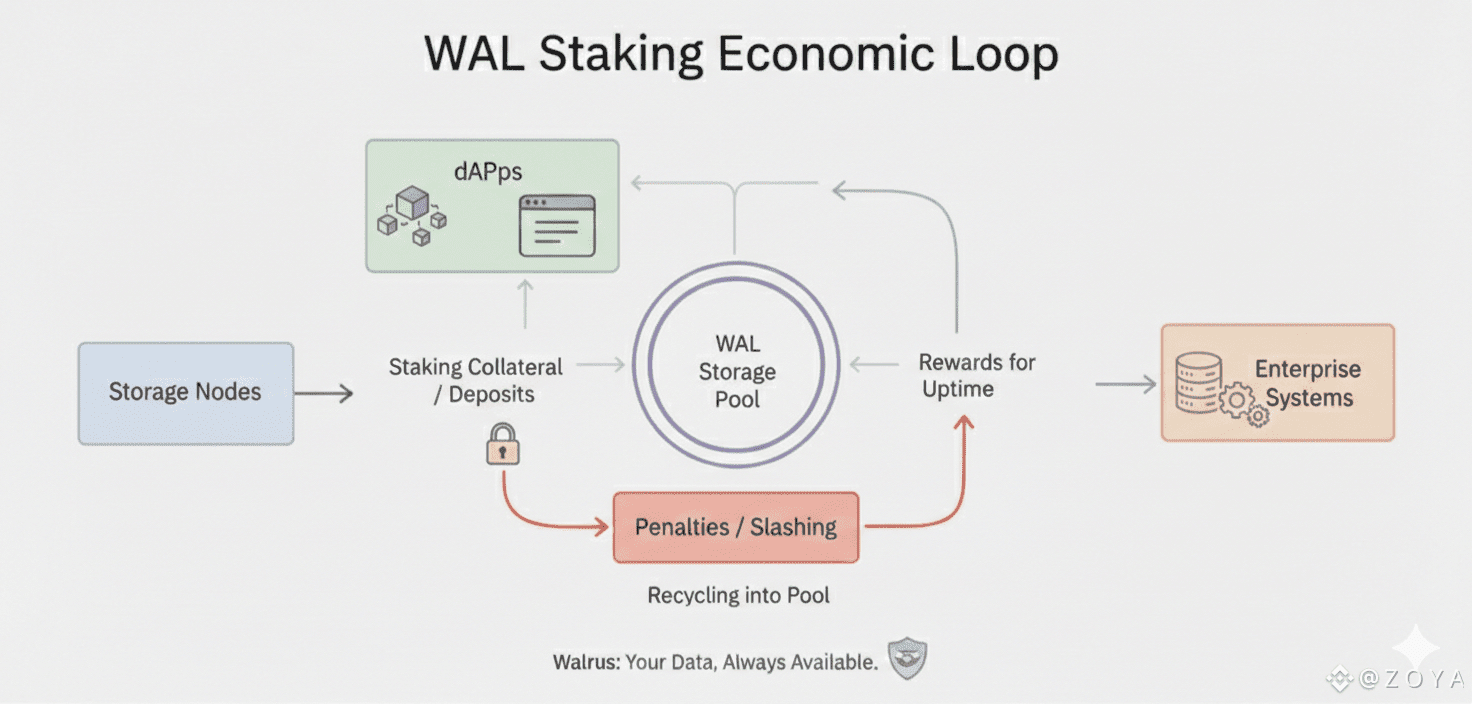
WAL, as a token, doesn’t posture as culture. It behaves like gravity. Stake ties operators to outcomes. Rewards flow only if the job gets done. Penalties don’t care about excuses. It’s not inspirational. It’s effective. Which again, makes it unpopular with people who prefer narratives over consequences.
Here’s the uncomfortable truth: storage only becomes visible when it fails. If Walrus does its job, nobody will write threads about it. No memes. No victory laps. Just apps that don’t break when usage spikes or when one node decides to disappear without warning.
That’s the bet. Becoming forgettable in the way electricity is forgettable. Always there. Never thanked. Absolutely necessary.
If Web3 ever grows up, it won’t be because something new went viral. It’ll be because enough boring systems quietly refused to break. Walrus is trying to be one of those systems. And honestly, that’s the most ambitious thing it could attempt.

