
Rising oil costs threaten inflation, complicating the Federal Reserve’s ability to cut interest rates and jeopardizing Bitcoin’s recovery.
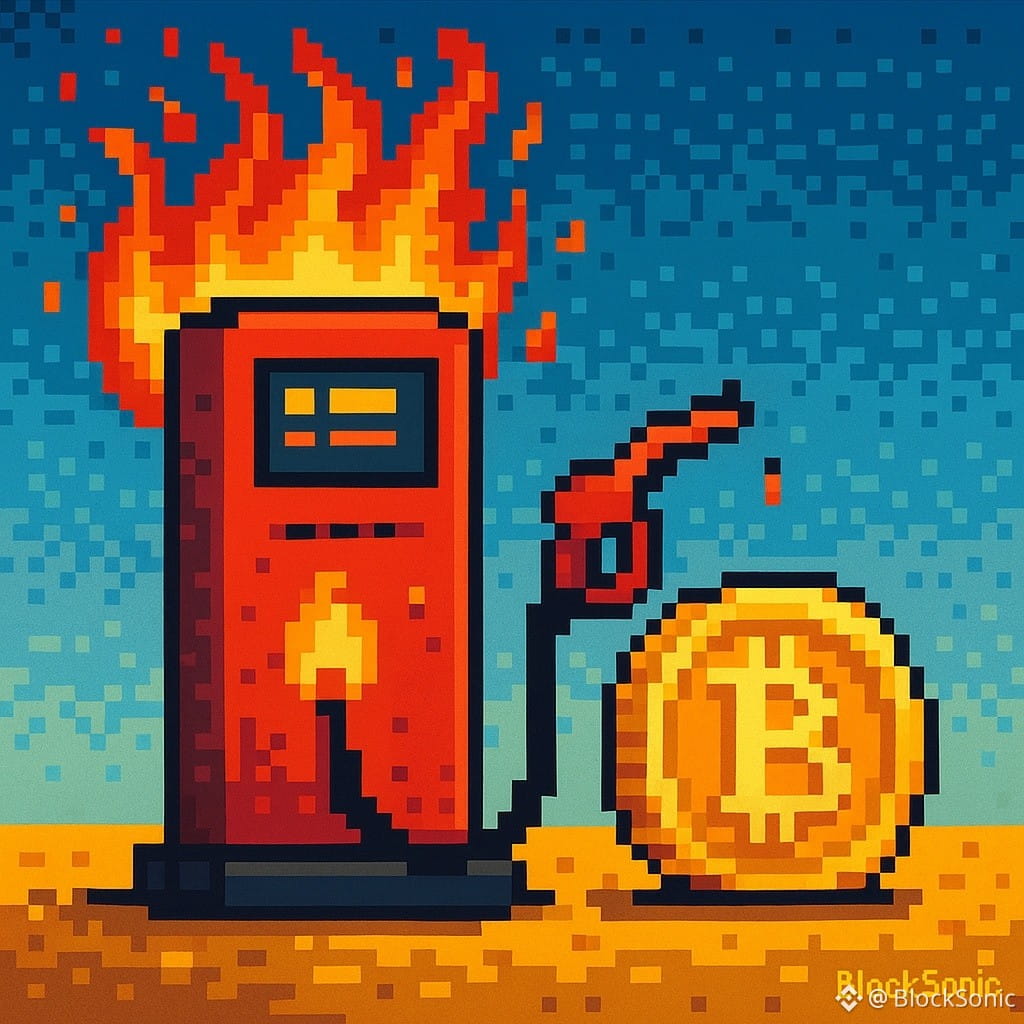
You may feel the winds of change swirling around Bitcoin, as it seems every week brings new challenges. First, we witnessed the meteoric rise of precious metals like gold and silver, draining capital from the crypto landscape. Now, we face another looming crisis: oil prices are beginning to surge, casting shadows over Bitcoin's potential resurgence.
As you might have noticed, the price per barrel of West Texas Intermediate crude has jumped by twelve percent this month, reaching sixty-four dollars and thirty cents. This marks the highest price since September. Meanwhile, the international benchmark, Brent crude, is not far behind, climbing to sixty-eight dollars and twenty-two cents. What do these rising prices mean for Bitcoin and its supporters?
For those of you banking on a stable inflation environment and lower interest rates to fuel Bitcoin's ascent, this news is unsettling. Just consider the context: Bitcoin hit a peak above one hundred twenty-six thousand dollars in early October, only to tumble below ninety thousand dollars since then. The stakes are high, and the potential for a prolonged downturn feels palpable.
You may be wondering why the increase in oil prices impacts us all so profoundly. The answer lies in the fundamental nature of our economy. When oil prices rise, the costs of goods and services across the board follow suit. Higher oil translates to pricier gasoline, which drives up transportation costs for everything you rely on—food deliveries, clothing, electronics. Ultimately, these increased costs trickle down to you, raising the overall price level in the economy.
This scenario sets off a chain reaction. As prices rise, workers are compelled to demand higher wages to maintain their purchasing power, igniting a self-perpetuating cycle of wage increases and further price hikes. The implications are clear: inflation becomes a tangible force that can’t be ignored.
The Federal Reserve understands this dynamic well. As it has stated, the pass-through effect of rising oil prices on inflation is both economically and statistically significant, occurring through direct channels and second-round effects. The Fed’s approach to inflation—raising borrowing costs—could lead to a tightening of credit, as it did in twenty twenty-two when Bitcoin faced a staggering decline of sixty-four percent.
As we navigate this complex landscape, it’s critical to recognize the Fed's recent decisions. On one hand, we see a reluctance to cut rates quickly; on the other, rising oil could solidify their resolve against easing liquidity. This ambivalence could spell trouble for Bitcoin enthusiasts like you, who are hoping for a market rebound.
Adding to this turbulent mix are geopolitical tensions that threaten to further inflame oil prices. Recent statements from former President Donald Trump about military maneuvers towards Iran—a major oil producer—could escalate the situation. Iran's response, vowing to retaliate fiercely, only heightens the stakes.
As you consider these developments, the recent data from the U.S. Energy Information Administration reveals a decrease in oil inventories by two point three million barrels. This drop typically signals a demand that outpaces supply, forcing refineries to draw from their stocks. The implications for the economy, and consequently for Bitcoin, are profound.
In this moment of uncertainty, we invite you to pause and reflect. How will these rising oil prices shape the future of Bitcoin and your financial choices? As we embrace the unfolding narrative of sound money and market dynamics, we encourage you to share your thoughts. What do you believe lies ahead for Bitcoin in the face of these challenges?