
As gold enthusiasts flock to buy, Federal Reserve Chair Jerome Powell downplays the significance of soaring precious metal prices.
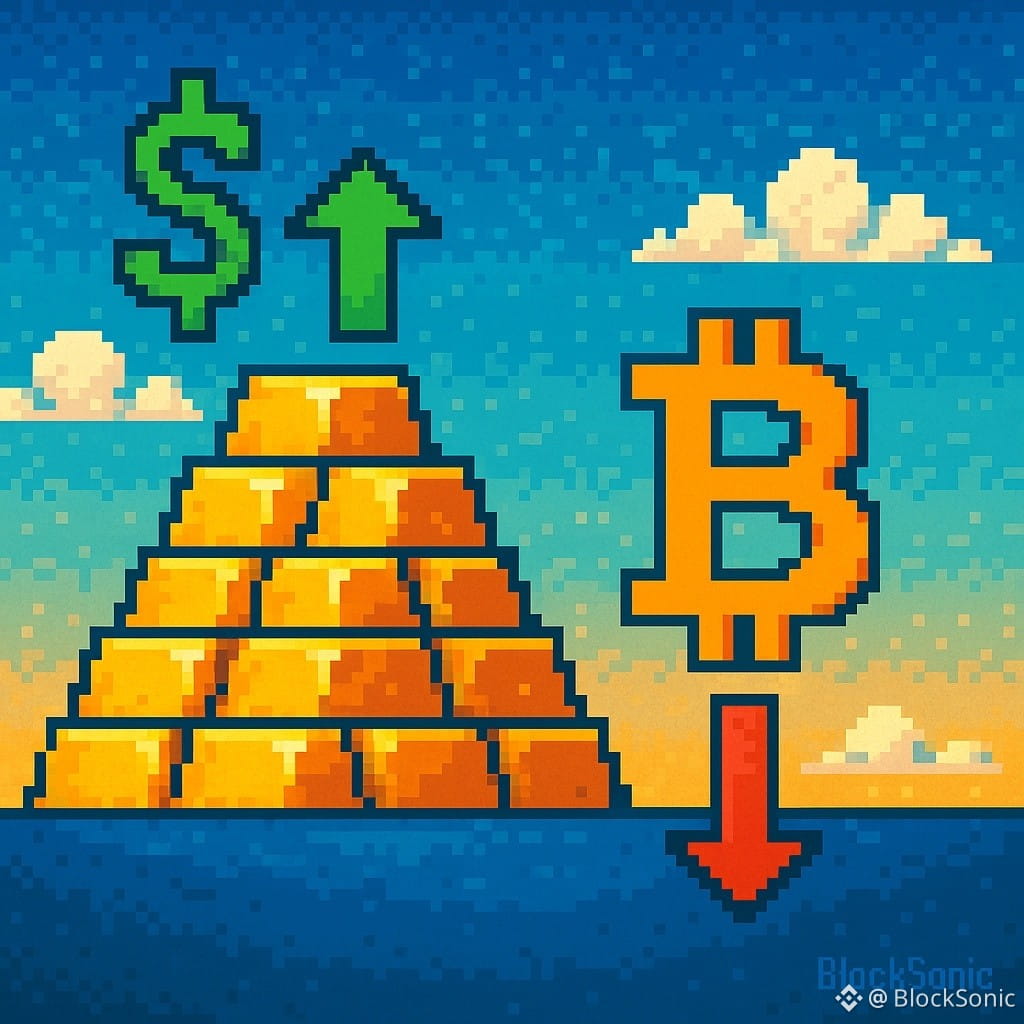
Imagine standing on the precipice of a monumental shift in the market. You watch as gold, the age-old safe haven, surges above five thousand four hundred dollars per ounce, leaving Bitcoin, the shining promise of digital gold, in the dust. Isn’t it fascinating how quickly fortunes can change?
On Wednesday, a remarkable transformation unfolded as the price of gold skyrocketed six percent, marking a historic moment. This surge was not merely a flicker; it was a powerful testament to market dynamics, with gold's market capitalization hovering around the staggering figure of forty trillion dollars. But why now? What ignited this frenzy among gold enthusiasts?
The catalyst was none other than Federal Reserve Chairman Jerome Powell, who spoke at a press conference following the central bank's decision to maintain its benchmark interest rate. When questioned about the swift rise in gold and silver prices, Powell advised caution. He urged not to misinterpret this rally as a broader macroeconomic signal. “Don’t take too much message into [that] macroeconomically,” he stated, asserting the Fed's credibility remained intact. Yet, gold bulls saw things differently.
As gold gleamed brightly, Bitcoin traders were left watching from the sidelines. The digital asset, trading at around eighty-seven thousand nine hundred thirty-seven dollars, seemed to languish in a tight range, unable to capture the momentum that gold had seized. The reality was stark: while gold thrived, Bitcoin appeared stagnant, raising questions about its identity as "digital gold."
You might be wondering what this means for the broader market. Even as the U.S. dollar weakened and geopolitical risks heightened, Bitcoin struggled to find its footing. Over the past twelve months, gold has soared over ninety percent, while Bitcoin’s journey felt more like a slow crawl. What does this contrast reveal about the market's expectations?
The essence of the discussion comes from James Harris, the CEO of the yield platform Tesseract Group, who expressed a stark realization: “We’re clearly in a market regime where crypto is underperforming some of the very assets it was designed to supplant.” This sentiment resonates deeply. Could it be that Bitcoin's role as a macro hedge is faltering just when it needs to shine the most?
As we reflect on this unfolding narrative, we invite you to ponder the implications of these contrasting performances. What does this mean for you as a participant in the market? Where do you see value?
In closing, we encourage you to share your thoughts. What insights do you draw from gold's ascent and Bitcoin's struggle? Join the conversation and let us explore the deeper truths of this financial landscape together.