


Tether, the issuer of the world’s largest stablecoin USDT, has launched MiningOS (MOS) , an open-source, modular operating system for Bitcoin mining. The move aims to simplify mining infrastructure and reduce miners’ dependence on closed, vendor-controlled software.
MiningOS is designed to work across all scales of mining, from small home setups to large, multi-site industrial operations, giving miners more transparency, flexibility, and control.
What Is MiningOS (MOS)?
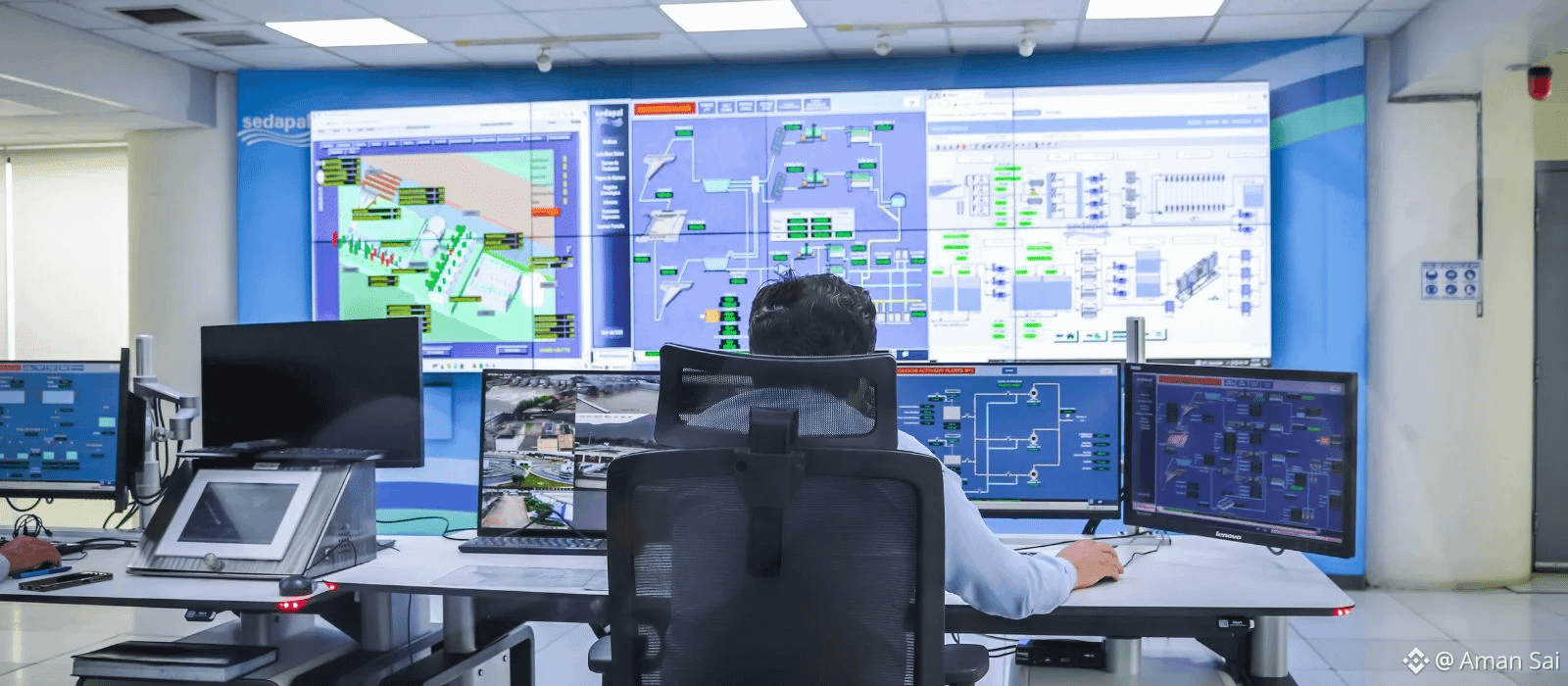
MiningOS is a self-hosted mining software stack that allows operators to manage their mining machines without relying on centralized platforms or proprietary services.
Instead of locking miners into specific vendors, MOS focuses on:
Openness
Hardware flexibility
Full operational transparency
Tether says the goal is to remove the “black box” nature of traditional mining systems, where monitoring tools and hardware are tightly tied to closed ecosystems.
Key Features of MiningOS
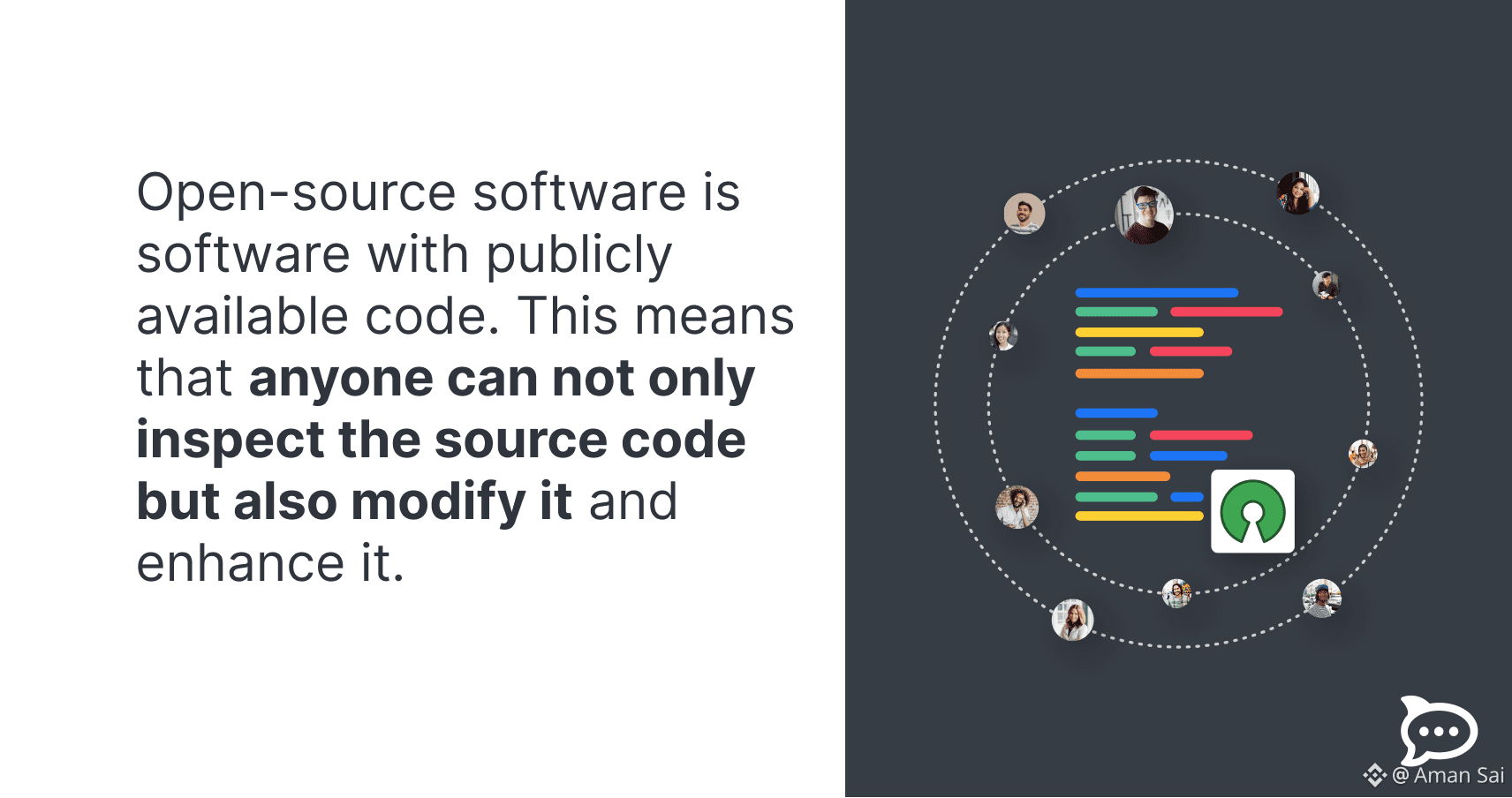
🔹 Open-source & Modular
Miners can customize the software based on their needs without vendor restrictions.
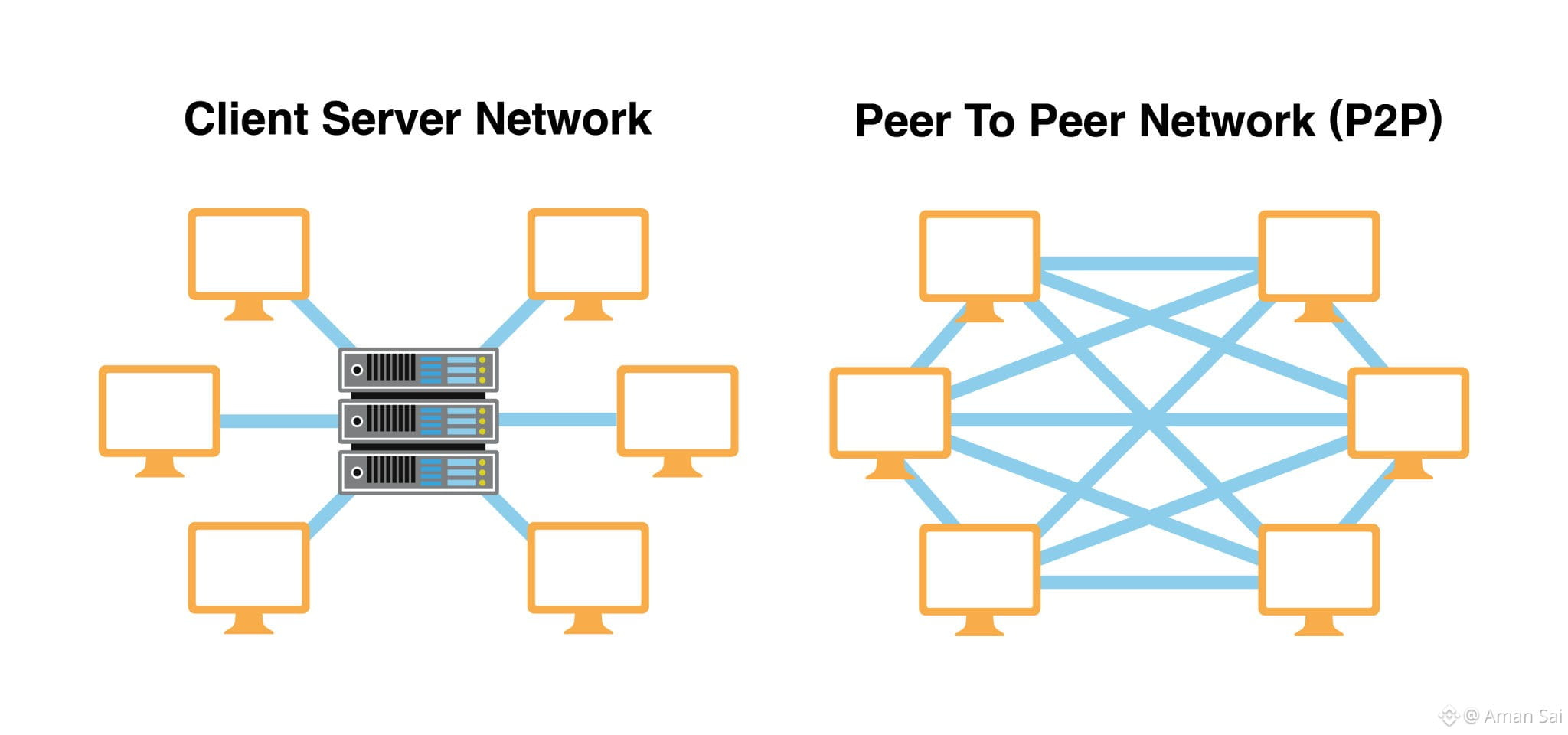
🔹 Self-Hosted Architecture
No reliance on centralized cloud services , miners control their own infrastructure.
🔹 Peer-to-Peer Network
MOS uses built-in P2P communication so devices talk directly to each other.
🔹 Hardware-Agnostic
Designed to support a wide range of mining hardware instead of favoring specific manufacturers.
🔹 Scales Easily
Works for:
Home miners
Small farms
Large industrial setups across multiple locations
Built for Transparency and “No Lock-In”
According to Tether, MiningOS is built to ensure “no lock-in”, meaning miners are free to switch hardware, modify configurations, and scale operations without being trapped in third-party ecosystems.
The system lets operators:
Adjust mining parameters
Monitor performance
Manage fleets of miners remotely , all without depending on proprietary vendor software.
Tether’s CEO Paolo Ardoino described MOS as a complete operational platform, capable of growing from a single-rig setup to industrial-grade mining sites spread across different geographies.
Why This Matters for Bitcoin Mining
Bitcoin mining has increasingly become dominated by:
Expensive software licenses
Centralized monitoring platforms
Vendor-controlled ecosystems
MiningOS challenges this model by promoting:
✅ Open infrastructure
✅ Lower entry barriers for new miners
✅ Greater decentralization of mining operations
Tether first hinted at this project last year, arguing that new miners should be able to compete without paying high fees to third-party software providers.
Open-Source and Industry Alignment
MiningOS is released under the Apache 2.0 license and built on Holepunch peer-to-peer protocols, keeping the system free from third-party dependencies.
With this launch, Tether joins other firms pushing for open-source mining infrastructure, aligning with broader industry efforts to decentralize and democratize Bitcoin mining.
Final output
Tether’s MiningOS could mark an important shift in Bitcoin mining by:
Reducing vendor dependency
Increasing transparency
Making mining more accessible and competitive
If widely adopted, open-source tools like MOS may help strengthen Bitcoin’s decentralization at the infrastructure level , not just on-chain, but in how the network is powered.