
When the market stops trending, most losses don’t come from bad analysis.
They come from forcing breakouts that never develop.
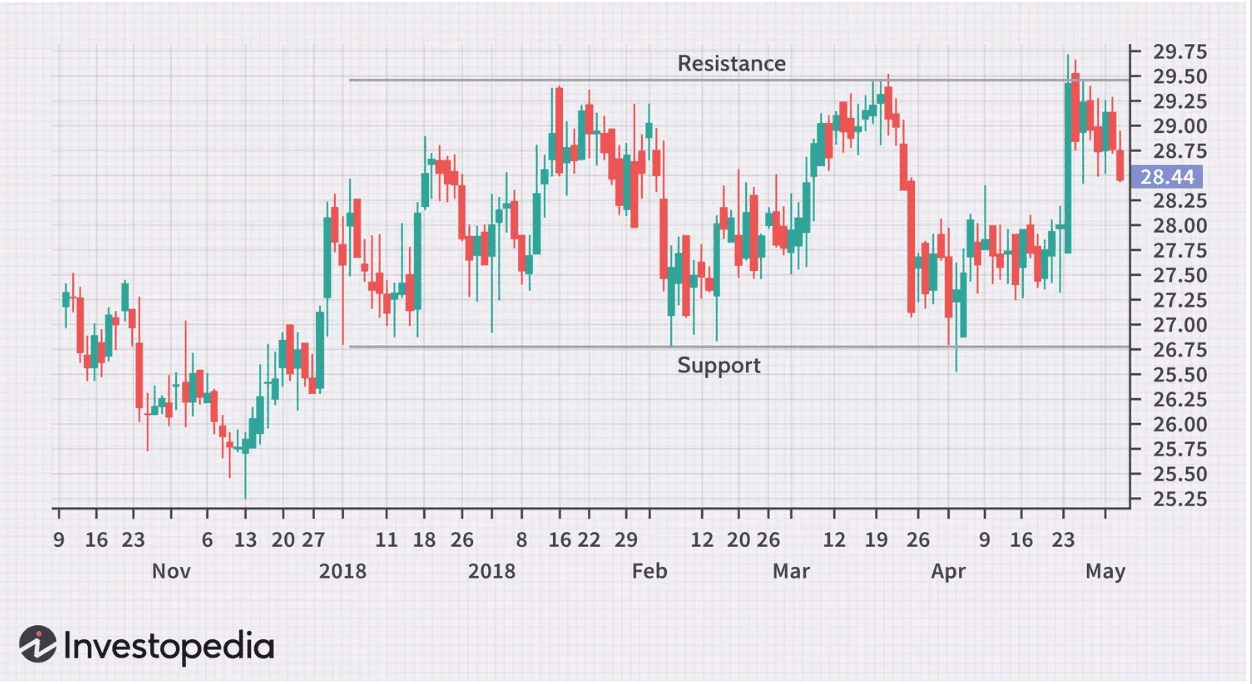
A range market forms when price fails to make higher highs or lower lows. It keeps rotating between clear support and resistance. In these conditions, directional follow through is limited. Moves look promising at first, then fade quickly.
Trend strategies struggle here. In this position, patience and level awareness is very important. Because of this structure, the most common mistakes traders do is, chasing price in the middle of the range or entering too early on weak breakouts.
Trades taken away from key levels usually offer poor risk control and unclear invalidation.
The foundation of range trading is to keep focus only on the edges:
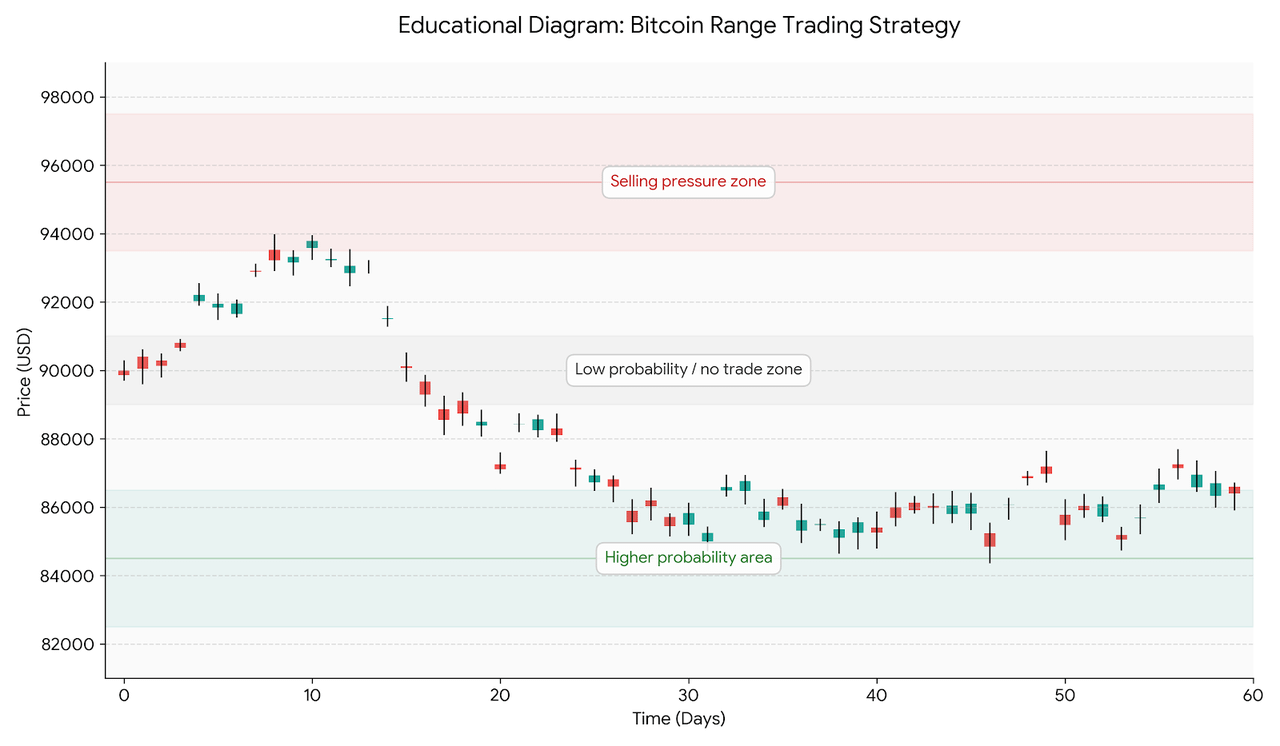
Support is the area where buyers repeatedly step in. Resistance is where selling pressure consistently returns. These are zones, not exact prices. What we need to do is to observe how price reacts when it reaches the zones.
Trades taken near support or resistance offer clearer risk. If price fails to react, the idea is invalid quickly. Trades taken in the middle have no such clarity.
Fake Breakout:
Fake breakouts are common in sideways markets. Price may push slightly above resistance or dip below support, pull traders in, and then slip back into the range.
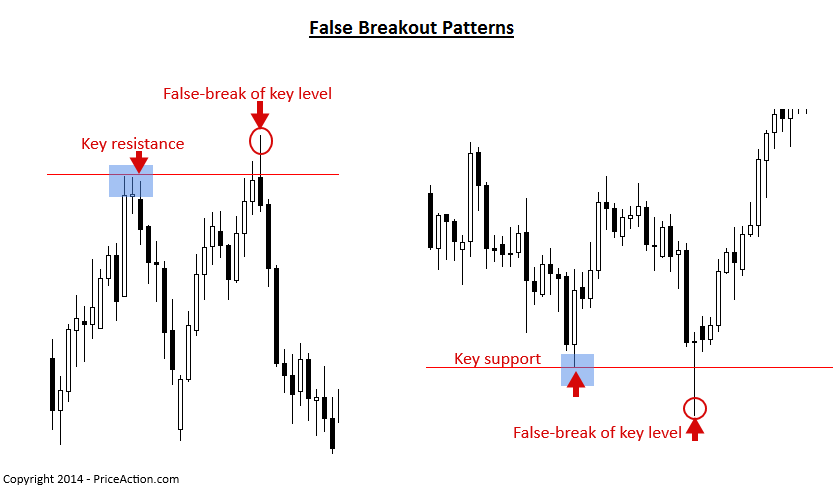
The key difference between a real breakout and a fake one is acceptance. A real move holds beyond the level and builds stability. A fake move fails to hold and quickly returns inside the range.
Waiting for a strong close and short-term stability beyond the level helps reduce the chance of getting trapped. Speed alone is not confirmation.
Liquidity traps are part of this behavior. Sudden spikes up often happen when short positions close quickly. Sharp drops usually appear when long positions exit in panic. If price cannot hold those moves and reverses back into the range, it usually signals weakness rather than strength.
Volatility makes position sizing even more important. Smaller entries allow flexibility and reduce emotional pressure. Clear invalidation levels is more important than wide stops. In uncertain conditions, survival comes from controlling downside, not trading more often.
Right now, $BTC continues to respect its range. Price is reacting near key zones rather than trending decisively.
• Scenario up: Acceptance above resistance could allow price to move toward the next supply area.
• Scenario down: Rejection near resistance or a loss of support may lead to another test of lower demand.
In a ranging market, patience beats speed. Clean levels, controlled risk, and discipline is mandatory.
Always remember: The goal is not to catch every move, but to avoid getting trapped while the market decides its next direction.