
Crypto markets are comfortable with simple stories. A new chain launches, users must buy the token to pay gas, activity rises, demand for the asset increases, and price follows. It is a narrative that has powered entire cycles, often regardless of whether the applications on top of the network ever matured into something durable. Plasma and its native token XPL complicate that story in a way that is both intellectually honest and financially uncomfortable. The project has been explicit about wanting to remove friction for end users, including the requirement that everyday stablecoin senders hold the network’s volatile asset at all. Gas abstraction and sponsored USD₮ transfers are meant to make the chain feel less like crypto plumbing and more like a payments rail. That design choice may be good for adoption, but it forces anyone looking at XPL to abandon the lazy shortcut of modeling retail gas demand and replace it with something subtler: burn tied to aggregate activity, staking demand tied to validator security economics, and speculative demand tied to listings, liquidity, and broader market regimes.
That shift matters because it cuts to the heart of what “true demand” actually means. For years, much of the industry quietly relied on compulsory buying as a proxy for product-market fit. If users had to acquire a token simply to move money or interact with an application, the token benefited whether or not those users .Plasma is trying to separate those two things. If stablecoin users can transact without touching XPL directly, then the token’s value is no longer propped up by friction. Instead, it must justify itself through structural sinks and long-term participation in network security, alongside the ever-present speculative layer that comes from being listed on exchanges and traded by investors who may never use the chain at all.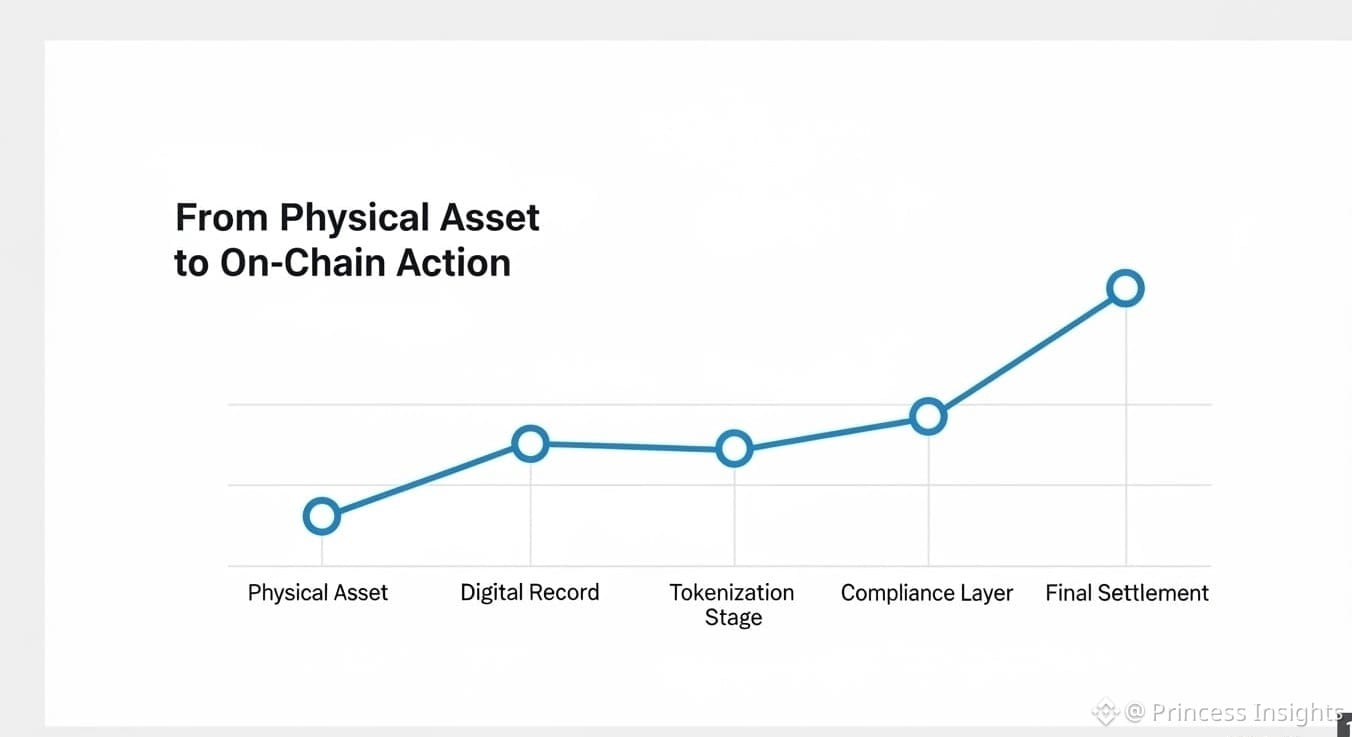
This makes Plasma an unusually clean experiment in token economics. On paper, it is elegant. Base fees are designed to be burned so that as activity grows, some portion of value is permanently removed from circulation. Staking and delegation are meant to create demand from validators and capital providers who want to earn yield for securing the network, while emissions are structured to compensate them for that service. Liquidity on exchanges provides the third leg of the stool, creating the venue where beliefs about future usage, regulatory climate, and macro conditions get expressed through price. None of those mechanisms relies on forcing a shop owner in Lagos or São Paulo to hold XPL just to accept a dollar-denominated payment.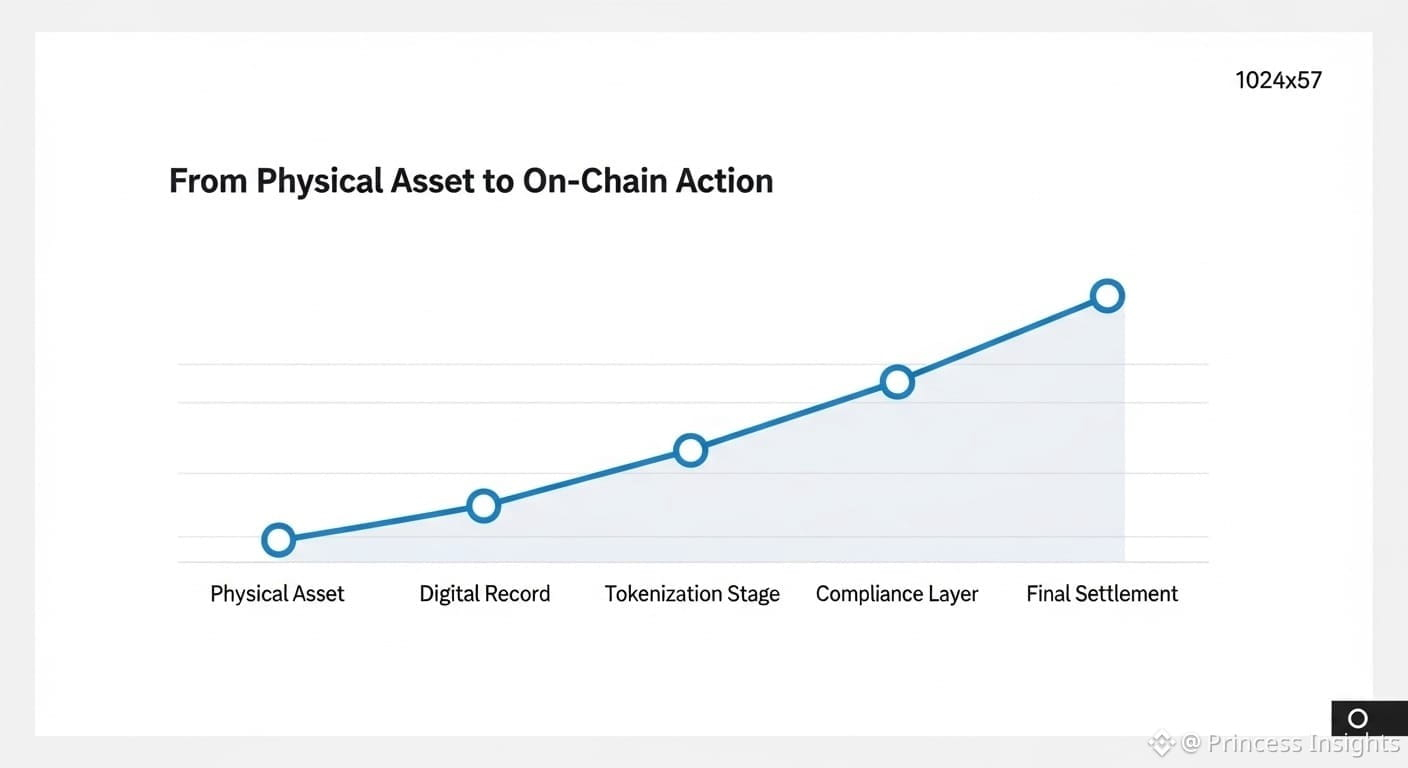
Yet elegance in design does not immunize a system from trade-offs, and Plasma’s approach introduces a different set of risks that deserve to be confronted without hype or hostility. The most obvious is operational concentration around the very abstraction layers that make the network appealing. Gasless or sponsored transactions are not magic; they rely on paymasters, relayers, and policies encoded at the protocol or application level. Those components decide who can sponsor fees, under what conditions, and at what rate. If those rules tighten, if abuse forces more conservative limits, or if integrations lag behind competitors, the adoption story can stall even when the underlying technology remains sound. Plasma’s own documentation frames gasless USD₮ transfers as scoped and controlled rather than unlimited, which is prudent engineering but also a reminder that “free” is not a blanket promise. Users and developers who build expectations around frictionless settlement can be disappointed if that experience changes, and markets are rarely patient with nuance when growth narratives wobble.
Stablecoin dependence is another double-edged sword. Plasma positions itself as a settlement layer optimized for USD₮, and that focus is pragmatic. Tether dominates real-world crypto payments, remittances, and offshore settlement in a way that no algorithmic experiment or smaller issuer has managed to replicate at scale. Building around what people already use is a sensible product strategy. But it also means inheriting the headline risk that comes with that issuer. Regulatory scrutiny, rumors about fundraising, or shifts in market sentiment around reserve transparency ripple outward to every chain that treats USD₮ as a core rail. Whether those concerns are justified in a given moment is almost beside the point; perception matters when capital is mobile and narratives travel faster than audits. Plasma is not a meme chain chasing fleeting attention. It is pitching itself as infrastructure, and infrastructure projects are judged harshly when their dependencies wobble.
Then there is the inescapable arithmetic of supply. Unlock schedules are rarely glamorous, but they are among the most reliable forces in token markets. If large tranches of XPL are scheduled to enter circulation around mid-2026 and the price is weak at that time, the market can experience the slow, grinding bleed that has killed enthusiasm for many otherwise functional networks. Traders label projects “dead” not because usage has vanished but because charts slope downward for months and liquidity thins. That reputational damage is difficult to reverse, especially in a sector where attention is scarce and capital rotates quickly to whatever appears to be working in the moment. Even a thoughtfully designed burn mechanism struggles to counteract heavy emissions or unlocks if activity has not yet reached escape velocity.
Those risks are not unique to Plasma, but they are amplified by the very choice to decouple everyday usage from mandatory token purchases. When users are not forced to touch XPL, the link between adoption headlines and price action becomes looser. That can be healthy in the long run, aligning valuation with genuine economic throughput rather than friction. In the short to medium term, however, it means that speculation and liquidity conditions loom larger. Exchange listings, depth of order books, and the distribution of volume across venues start to matter enormously. A token can boast impressive nominal trading figures while still being fragile if most of that activity is concentrated in one place or driven by temporary incentives. Listings on major venues like Binance are meaningful signals of accessibility and credibility, but they are not synonymous with organic, sticky flows from long-term holders.
Against that backdrop, a grounded bull case for XPL looks very different from the breathless forecasts that dominated previous cycles. It does not require the token to reclaim some mythical all-time high to justify attention. Instead, it hinges on proving that activity on the chain creates measurable, persistent sinks. If stablecoin transfers and decentralized applications ramp up to the point where base-fee burn becomes visible and consistent, and if staking goes live in a way that secures the network without overwhelming the market with emissions, then a clearer valuation story emerges. In that scenario, “usage up” can plausibly translate into “net supply pressure down,” even if individual users never hold the token directly. The narrative shifts from forced buying to emergent scarcity driven by real throughput.
That is a harder story to sell in headlines, but it is arguably a more mature one. It treats XPL less like a toll token and more like a claim on the health of the system. Validators and delegators become long-term stakeholders rather than transient farmers, and fee burn ties the asset’s fate to whether Plasma actually succeeds in becoming a meaningful settlement layer for stablecoins and applications. If the chain attracts payment processors, fintech startups, and on-chain businesses that generate thousands or millions of daily transactions, the cumulative effect on burned fees could matter, even if each individual transaction is cheap.
The bear case is simpler and, in some ways, more familiar. Adoption remains niche, perhaps because competitors offer similar abstractions or because regulatory uncertainty around stablecoins chills experimentation. Gas abstraction works so well that most activity flows through sponsored paths, reducing direct XPL touchpoints to the point where market participants struggle to see why they should hold the asset at all. Emissions turn on to bootstrap validator sets, and without sufficient burn to offset them, circulating supply grows faster than demand. In that world, XPL risks becoming primarily a liquidity vehicle, trading with broader risk-on and risk-off rotations rather than on fundamentals specific to Plasma. Price action becomes decoupled from usage not because the network is unimportant, but because the token no longer captures enough of the value it helps enable.
What makes Plasma interesting is that neither of these outcomes is preordained. The design choices create a wide corridor of possibilities, and the difference between a quietly successful infrastructure play and a chronically undervalued asset could hinge on relatively prosaic execution details. That is why watching the right metrics matters more than repeating slogans about adoption or decentralization. On-chain transaction counts are one obvious signal, but they are only useful when broken down into what is actually happening. If activity is dominated by sponsored USD₮ sends and little else, that paints a different picture than a mix of PayMe smart contract interactions and applications that require users or developers to hold and stake XPL for reasons beyond fee abstraction. Breadth matters as much as raw volume.
Fee burn versus issuance will likely become the central scoreboard once validator economics fully activate. Plasma explicitly designed base-fee burning to balance emissions, which means the comparison between those two numbers is the whole game. Are burns rising in tandem with activity, and do they meaningfully offset new supply? Or are they dwarfed by rewards needed to secure the network in its growth phase? There is no shame in running inflationary for a time if it buys real usage and security, but markets will price that reality in, especially if they doubt that the curve will bend later.
Liquidity quality on exchanges is the third pillar that deserves relentless scrutiny. Deep, distributed order books across multiple reputable venues make a token more resilient to shocks and less dependent on a single narrative or incentive program. Concentrated volume, thin depth, or reliance on temporary liquidity mining can produce impressive screenshots but fragile price discovery. For a project positioning itself as payments infrastructure rather than a speculative playground, the development of boring, robust liquidity is an underappreciated milestone.
All of this unfolds within a broader environment that Plasma cannot control. Regulatory attitudes toward stablecoins, especially dollar-pegged ones used in cross-border settlement, will shape which businesses are willing to build and where. Macroeconomic conditions influence how much capital flows into high-beta crypto assets versus safer instruments. Even technical breakthroughs elsewhere, such as alternative scaling solutions or competing chains offering similar abstractions, can shift developer mindshare in unpredictable ways. Token models do not exist in isolation; they are embedded in an ecosystem that is still young, politicized, and prone to rapid mood swings.
Perhaps the most refreshing aspect of Plasma’s approach is that it forces these conversations into the open. By not leaning on compulsory retail gas purchases, the project invites investors to grapple with first principles rather than reflexes formed in earlier eras. It asks whether a token can derive value from securing and underpinning a widely used settlement network, even if the end user never sees it. That question is uncomfortable because the answer is not guaranteed, but it is also one the industry eventually has to face if blockchains want to graduate from speculative toys to real infrastructure.
In the end, XPL’s future will not be decided by a single feature announcement but by the slow accumulation of evidence that Plasma is being used in the way it claims to be used and that its economic design actually captures a portion of that success. If burns grow with throughput, if staking aligns incentives without drowning the market in supply, and if liquidity matures into something durable rather than promotional, the token can earn a valuation grounded in activity rather than compulsion. If those pieces fail to materialize, or if external shocks overwhelm them, the market will treat XPL like countless others: an asset with an interesting white paper and a price chart that tells a harsher story.
That tension is what makes Plasma worth watching. It is not selling an easy fantasy of guaranteed appreciation through forced demand. It is attempting something more difficult and, if it works, more honest: building a chain that people can use without thinking about the token, while giving the token a chance to matter anyway. Whether that balance can be sustained over years rather than quarters will determine not just the fate of but also how future networks think about aligning adoption with value in a maturin

