
Last week, I helped a friend send money abroad using stablecoins. The transfer itself was fast, but the process still felt complicated switching networks, paying gas in unfamiliar tokens, and waiting for confirmations. It reminded me that even though blockchain payments are improving, the experience still isn’t as simple as everyday digital payments.
The main issue with current blockchain settlement is that most networks were not designed specifically for stablecoin payments. Fees fluctuate, confirmations can take time, and users often need to hold a separate native token just to complete a transfer. For someone sending remittances or making small payments, these extra steps can feel unnecessary and confusing.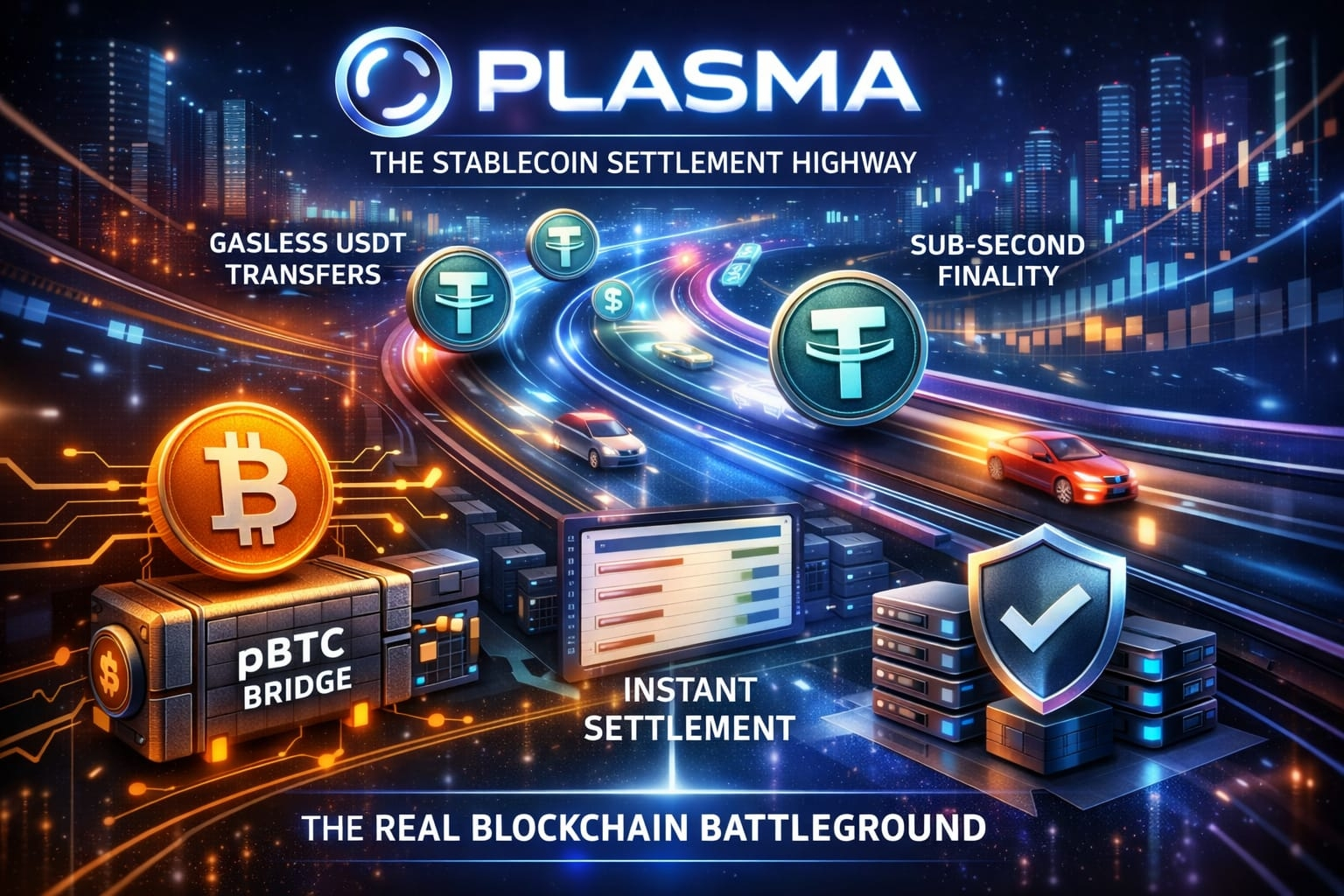
Plasma was created to address this exact problem. Instead of being a general-purpose blockchain, it is a Layer-1 network designed primarily for stablecoin settlement. The idea is simple: build infrastructure where digital dollars move quickly, cheaply, and reliably across borders and applications. ([Bitget Wallet]
Plasma uses a consensus system called PlasmaBFT, which allows transactions to reach final confirmation in less than a second. In simple terms, it reduces the waiting time between sending money and knowing it has arrived. This is important for payments, where speed matters more than complex computation. ([Bitget Wallet]
Another important part of the system is its execution layer, powered by the Reth client. This gives Plasma full EVM compatibility, meaning developers can build applications using familiar Ethereum tools without learning an entirely new environment. That lowers the barrier for developers who want to create payment apps, wallets, or financial services on the network. ([Bitget Wallet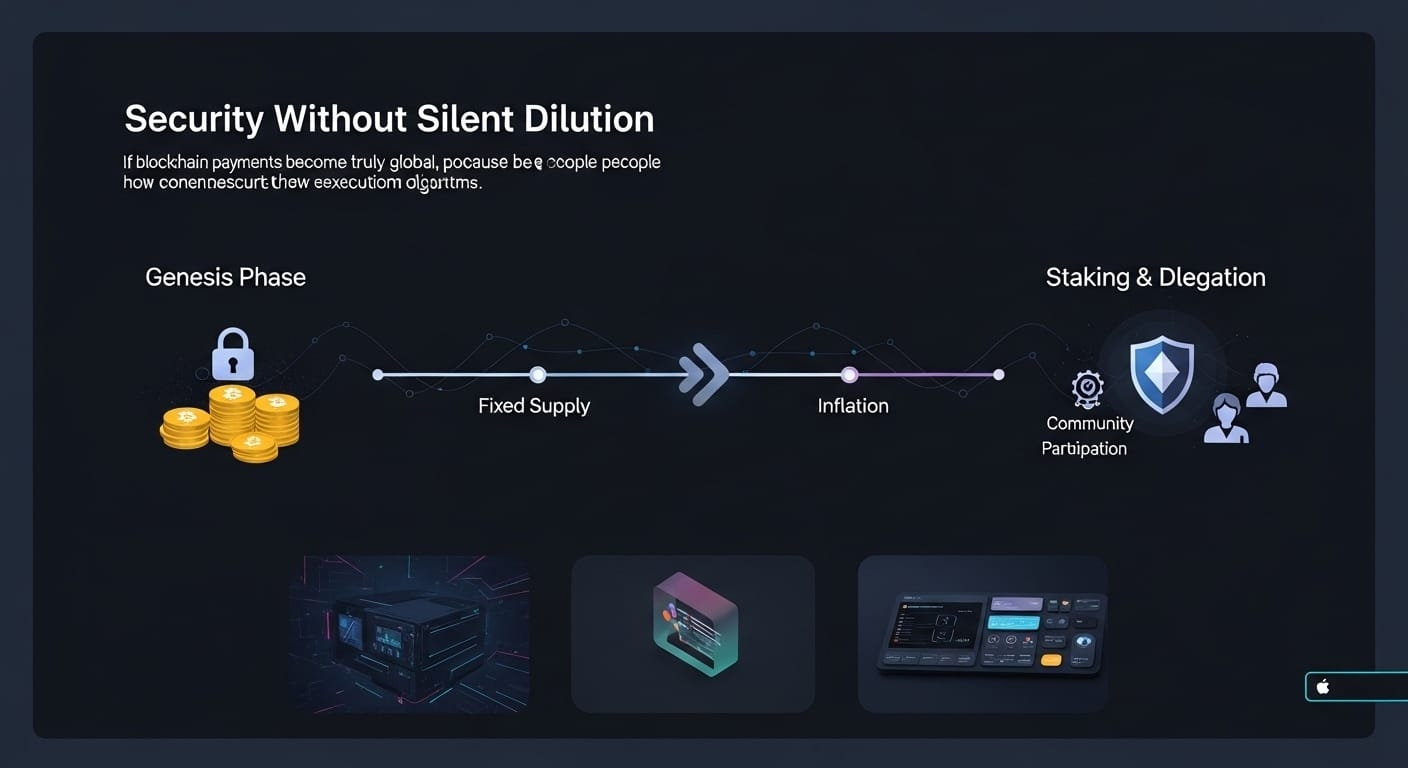
One of Plasma’s most practical ideas is gasless USDT transfers. Through a protocol-level paymaster system, users can send stablecoins without holding the network’s native token. Fees can also be paid directly in stablecoins, which makes the experience feel closer to traditional digital payments. ([plasma.to
Security and neutrality are also part of Plasma’s design philosophy. The network combines proof-of-stake validation with infrastructure that can integrate Bitcoin-anchored assets, helping strengthen settlement credibility while keeping the system open to different participants. ([Bitget Wallet][1])
In emerging markets, this type of infrastructure could make a noticeable difference. Imagine a small business receiving cross-border payments in stablecoins without worrying about exchange fees, banking delays, or currency volatility. Payments could arrive instantly and remain stable in value, making digital commerce more predictable.
The ecosystem around Plasma is still growing, but recent developments show momentum. The network’s mainnet beta launched in late 2025 with significant stablecoin liquidity, and partnerships with compliance and analytics providers are expanding visibility and trust. ([CoinMarketCap][3])
There are also discussions about staking features rolling out in 2026 and new products like Plasma One, which connects blockchain settlement with everyday payment tools. ([Binance][4])
Still, challenges remain. Adoption takes time, especially when payment systems depend on liquidity, developer tools, and user trust. Regulation around stablecoins is evolving globally, and new infrastructure must prove reliability over years, not months. ([Wikipedia][5])
From my perspective, stablecoin payments already feel faster than traditional transfers, but not always simpler. Networks like Plasma seem focused on removing that last layer of friction — the part users actually notice.
In the long run, blockchain payments may succeed not because they are technically impressive, but because they quietly become easier than existing systems. If sending stablecoins becomes as normal as sending a message, settlement infrastructure like Plasma could play an important role.
Do you think stablecoin payments will replace traditional remittances? What matters more to users — speed, cost, or simplicity?@Plasma $XPL #plasma