
Bitcoin is under pressure. After climbing above $126,000 in late 2025, the asset has fallen more than 50%, briefly touching the $60,000 zone before stabilizing around the high- $BTC 60Ks to low-$70Ks. Fear dominates the market, liquidations have surged, and many short-term holders are sitting on significant losses.
But for seasoned investors, this environment has a familiar name called Capitulation.
And historically, capitulation is less about the end of a market and more about the reset before the next cycle.
What Capitulation Really Means
Capitulation is the moment when selling becomes driven by emotion rather than strategy. Investors who bought during euphoric highs begin to panic, leverage gets wiped out, and downward pressure accelerates as positions are forcibly closed.
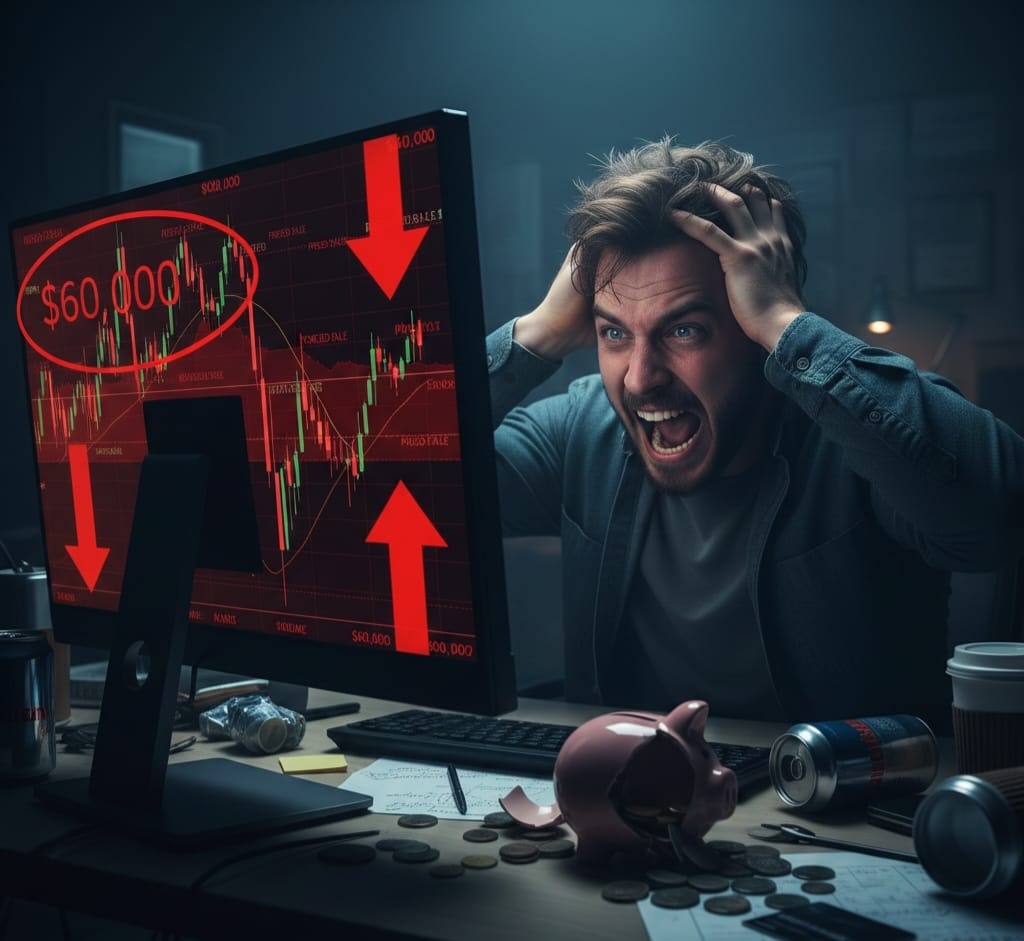
It’s uncomfortable.
It’s volatile.
And it often feels endless.
Yet this phase serves an important function it flushes out weak hands and clears excess speculation from the system. Once forced sellers are exhausted, the market can begin rebuilding on stronger footing.
Bitcoin has historically experienced deep pullbacks after major peaks, often ranging between 50–80%. These corrections aren’t anomalies; they are part of the asset’s cyclical structure.
Why Smart Money Steps In When Fear Peaks
While retail investors tend to retreat during crashes, experienced players often do the opposite.
Large holders, institutions, and long-term investors typically view capitulation as a period of opportunity rather than danger. As prices reset and leverage disappears, risk-reward dynamics improve.
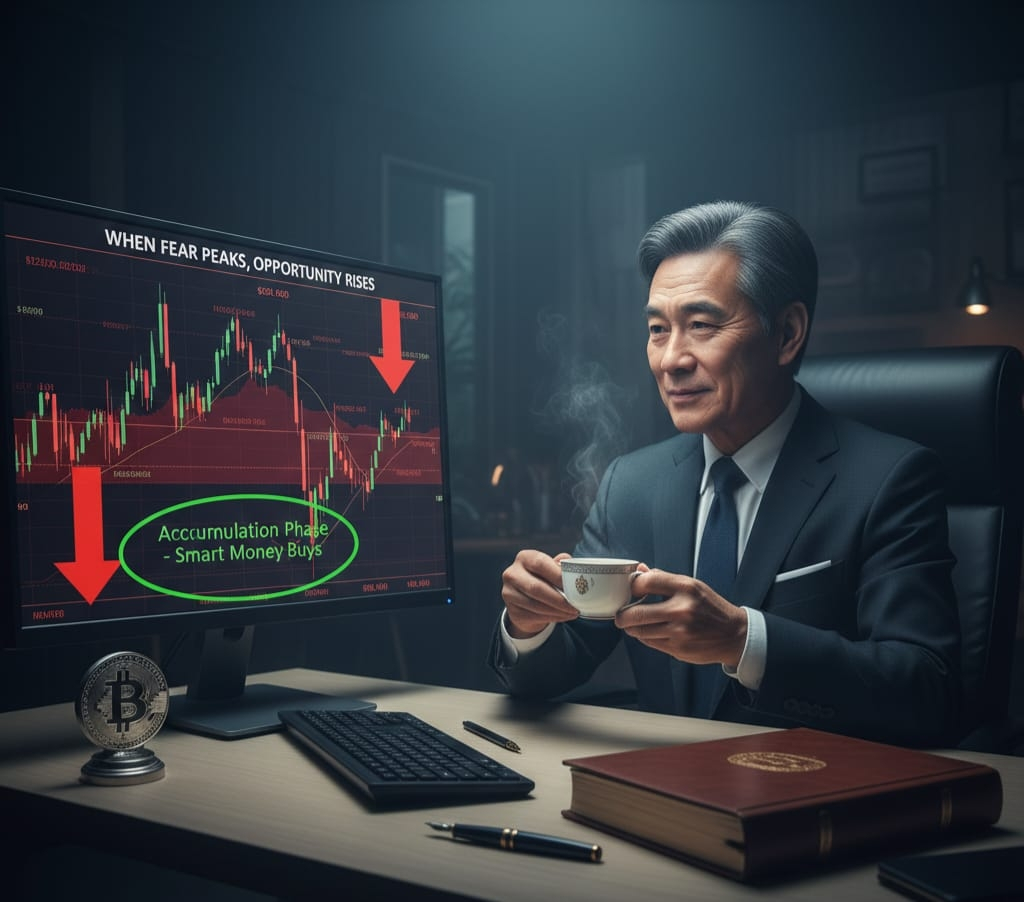
Instead of chasing momentum, smart money focuses on accumulation.
The logic is simple:
Lower prices create better long-term entry points.
Reduced speculation leads to healthier market structure.
As supply tightens, future upside potential increases.
This doesn’t mean they are trying to perfectly call the bottom it means they understand that timing extremes is less important than positioning during periods of maximum pessimism. (Retail reacts, Professionals prepare)
The Psychology Behind Every Market Cycle
Financial markets tend to move through predictable emotional stages:
Euphoria: Prices surge, optimism is everywhere, and risk-taking expands.
Fear: The trend weakens, but many still expect a quick rebound.
Capitulation: Panic selling takes over and confidence collapses.
Accumulation: Patient capital quietly re-enters while attention fades.
Recovery: Stability returns, followed by the early stages of a new uptrend.
Recognizing these phases can prevent emotionally driven decisions one of the costliest mistakes traders make.
Importantly, capitulation rarely rewards prediction. Very few investors consistently buy the exact bottom.
Final Take:
Bitcoin’s current drawdown isn’t comfortable but if you’ve spent enough time in this market, you know corrections are part of the journey. Some of the greatest opportunities in crypto have emerged from periods exactly like this, when fear is loud and conviction is rare.
Risk hasn’t disappeared, and volatility may still test patience. But history favors those who stay disciplined while others react emotionally.
I’ve learned that the real edge isn’t found in chasing excitement it’s built by positioning when the market feels the hardest to trust. While retail panics, smart capital prepares.
Because in markets, the moments that shake confidence the most are often the ones that quietly shape the next cycle.