




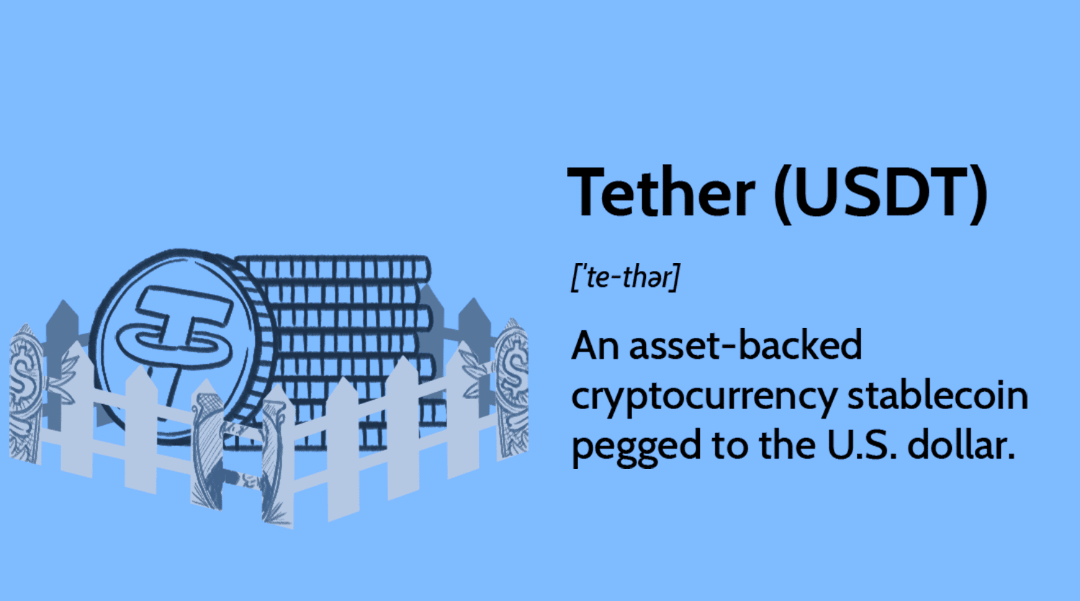
Let’s be real, most people in crypto don’t wake up thinking about consensus algorithms or execution clients, they just want to move money fast without paying ridiculous fees or waiting around for confirmations, and that’s exactly why stablecoins have quietly taken over the entire space; assets like (USDT) now move staggering amounts of value every single day across borders, between businesses, into payroll systems, through remittance corridors, and honestly in many emerging markets people don’t even say they’re using crypto anymore, they just say “send USDT,” because to them it’s basically digital dollars that work when local currencies don’t, but here’s the uncomfortable truth people don’t talk about enough: the blockchains stablecoins run on weren’t actually designed with stablecoins as the main priority, take for example, it’s powerful and changed the game with smart contracts and DeFi and everything else, but it’s a general-purpose machine juggling thousands of applications at once, so when the network gets busy fees spike, transactions slow, and you’re forced to hold ETH just to send dollars, which makes no sense if all you want is stable value, and that’s the exact gap Plasma is trying to fill by building a Layer 1 blockchain specifically for stablecoin settlement rather than treating stablecoins like just another app on top of a crowded network, and what makes this interesting is that Plasma doesn’t throw away compatibility, it keeps full EVM support through so developers can deploy Ethereum smart contracts without rebuilding everything from scratch, which is crucial because developers won’t migrate if you ask them to start over, but Plasma also pushes performance by using PlasmaBFT consensus to deliver sub-second finality, meaning transactions become irreversible in less than a second instead of waiting through multiple confirmations, and for payments that’s huge because merchants, institutions, and users need certainty immediately not “probably confirmed” after a few blocks, and then there’s the part that honestly feels like common sense but somehow isn’t standard yet: gasless USDT transfers and stablecoin-first gas, which means users can pay fees in stablecoins themselves instead of juggling a volatile native token just to move dollars, removing a layer of friction that especially matters in places where people rely on stablecoins to escape inflation or receive cross-border income, and on top of all that Plasma anchors its security to , leveraging Bitcoin’s decentralization and censorship resistance to strengthen neutrality, which matters not just philosophically but practically for institutions and users operating in uncertain regulatory or political environments, and while Plasma faces serious challenges like competing with Ethereum’s massive network effects and navigating evolving stablecoin regulation, the broader trend is hard to ignore because stablecoins already rival traditional payment networks in transaction volume and increasingly serve as real settlement rails rather than speculative tools, so building infrastructure around their specific needs—EVM compatibility, sub-second finality, gasless transfers, stablecoin-based fees, and Bitcoin-anchored security—doesn’t feel like a gimmick, it feels like a focused response to how the market is actually behaving, and whether Plasma ultimately dominates or not, the bigger idea it represents is clear: stablecoins aren’t a side feature anymore, they’re becoming the backbone of digital finance, and designing a blockchain that treats them as the core product instead of an afterthought might end up looking less like a bold experiment and more like the obvious next step.
