
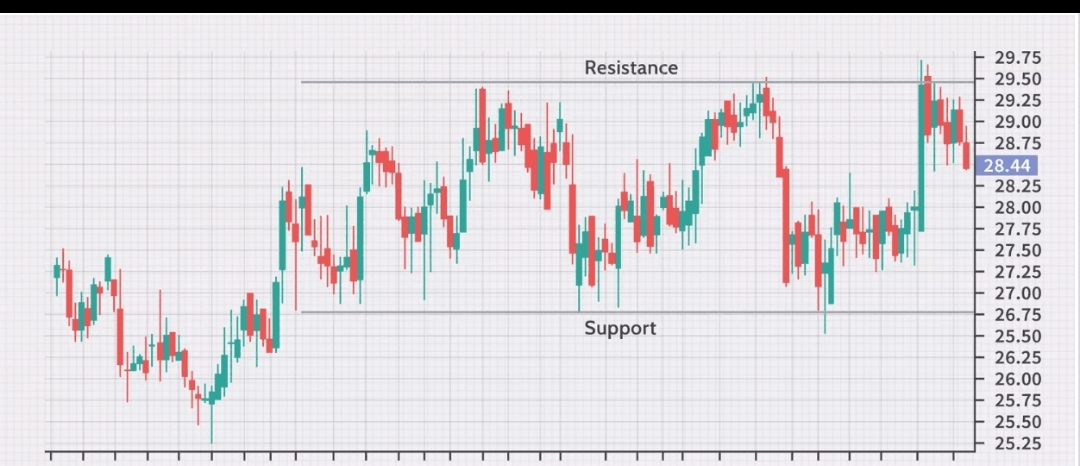
Strong trends don’t reverse immediately.
They pause.
That pause is usually a range.
Most traders misread this phase. After a powerful move, they expect continuation or collapse. What they get instead is sideways price action — and confusion.
Why Trends Can’t Continue Forever
Trends consume liquidity.
During a strong rally:
Shorts get liquidated
Breakout traders enter
Momentum builds
Volume expands
Eventually, participation peaks. Buyers who wanted exposure already have it. Sellers who wanted out are gone.
The market needs time to rebalance.
That rebalancing becomes a range.
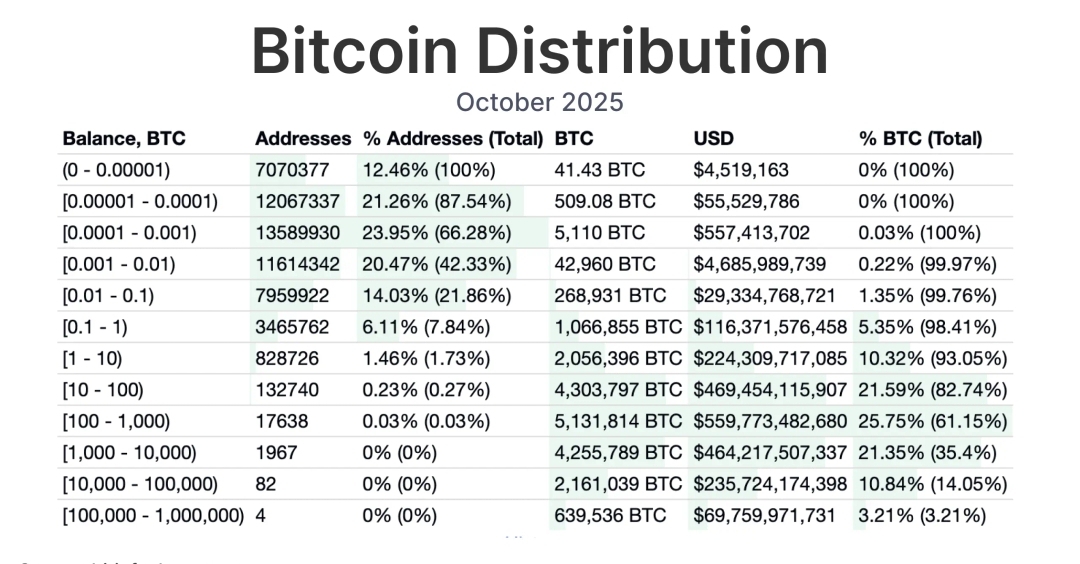
What the Range Is Actually Doing
A post-trend range is not random.
It’s:
Absorbing late buyers
Allowing larger players to reduce or add size
Resetting leverage
Building liquidity on both sides
Price moves sideways because neither side has dominance — yet.
Why Traders Struggle Here
After a strong trend, traders are conditioned to expect movement.
When the market slows:
They overtrade
They anticipate breakouts too early
They get trapped in false moves
The range isn’t boring.
It’s structural.
The Two Possible Outcomes
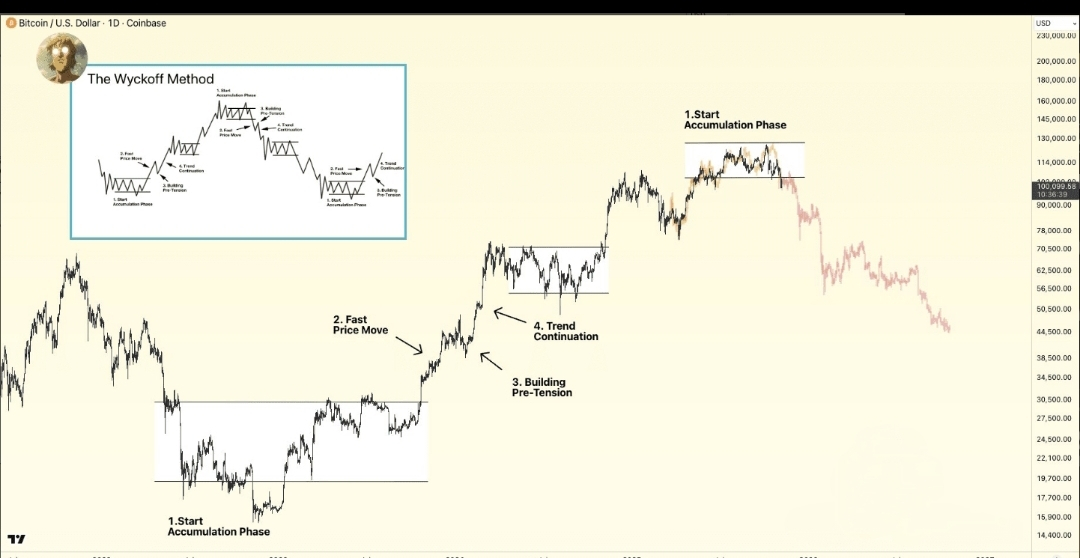
A range after a strong trend can lead to:
1. Continuation
If the trend was supported by strong spot demand and healthy structure, the range acts as a reset before expansion.
2. Distribution / Reversal
If the trend ended with leverage and exhaustion, the range becomes distribution before breakdown.
The difference isn’t in the range itself.
It’s in the behavior inside it.
What Professionals Watch
They don’t predict direction.
They watch:
Volume behavior
Failed breakouts
Open interest changes
Reaction to liquidity sweeps
Ranges reveal strength slowly.
Why This Matters in Crypto
Crypto moves fast in trends — but transitions slowly.
If you understand that ranges are part of trend structure, you stop forcing action and start reading context.
Trends create emotion.
Ranges create clarity.
Most traders get chopped in ranges because they treat them like trends.
Professionals treat them like preparation.