

Hey everyone, today I want to sit down and share an honest, down-to-earth look at Vanar Chain and its native token VANRY. This isn’t just another rundown of price charts or shallow buzzwords. We are going to get into what is actually being built, where things stand right now, and what this ecosystem is really trying to achieve. The narrative around this project is evolving quickly, and there is plenty happening beneath the surface that deserves real conversation.
Where Vanar Chain Comes From and What It Is Trying to Do
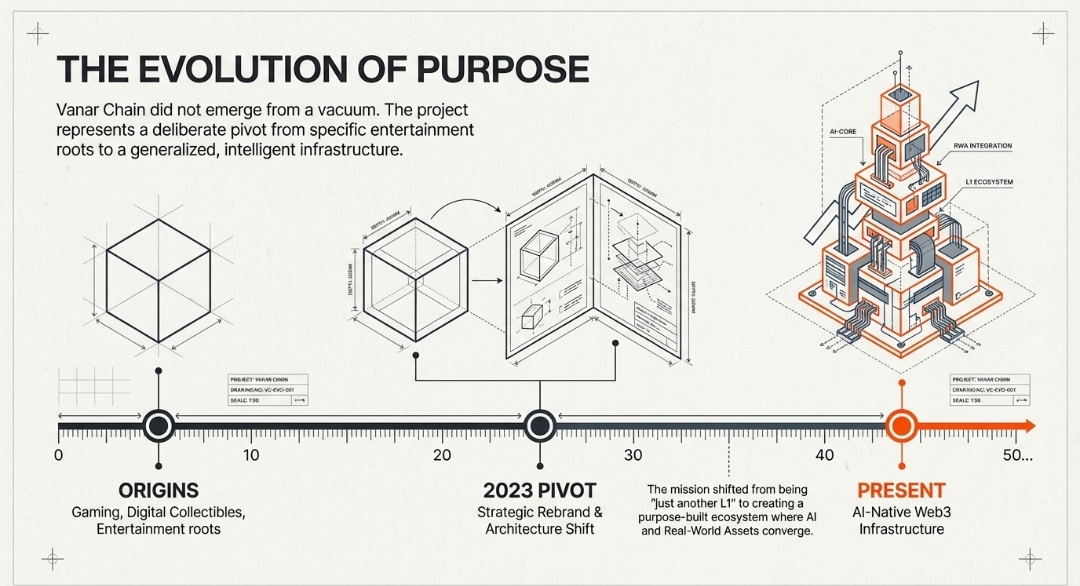
Vanar Chain didn’t wake up one day out of nowhere. The team behind it has roots going back through years of experience in gaming, digital collectibles, entertainment, and blockchain technology. Back in 2023 the project rebranded and pivoted into what we now know as Vanar Chain, with a mission far beyond just being “another Layer 1.” It wants to be intelligent, purpose-built, and future-ready, especially for Web3 applications where AI, real world assets, gaming, and immersive experiences converge. This is not surface-level hype, but a clear identity shift that sets the tone for what comes next.
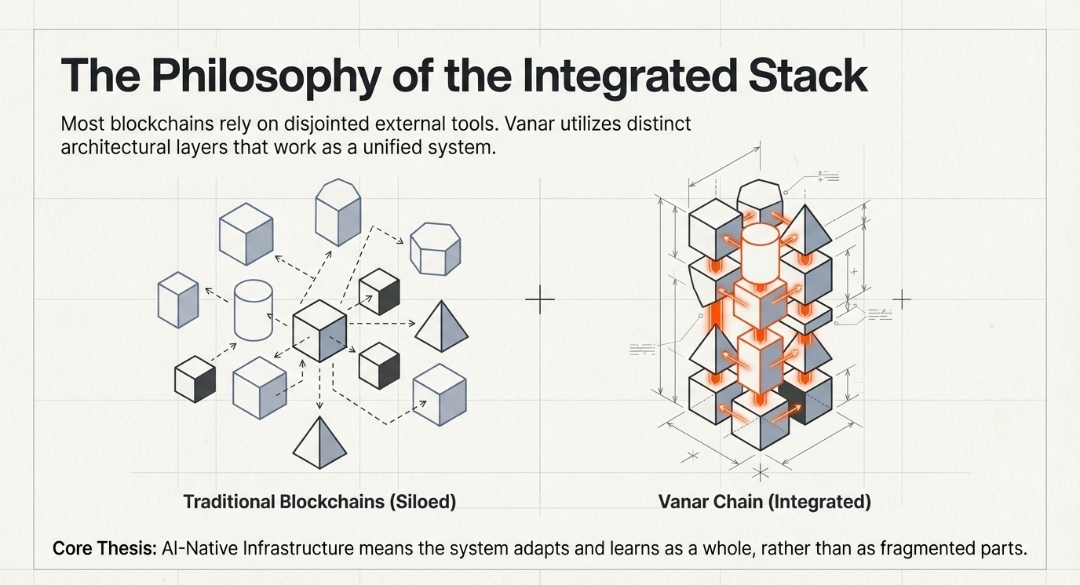
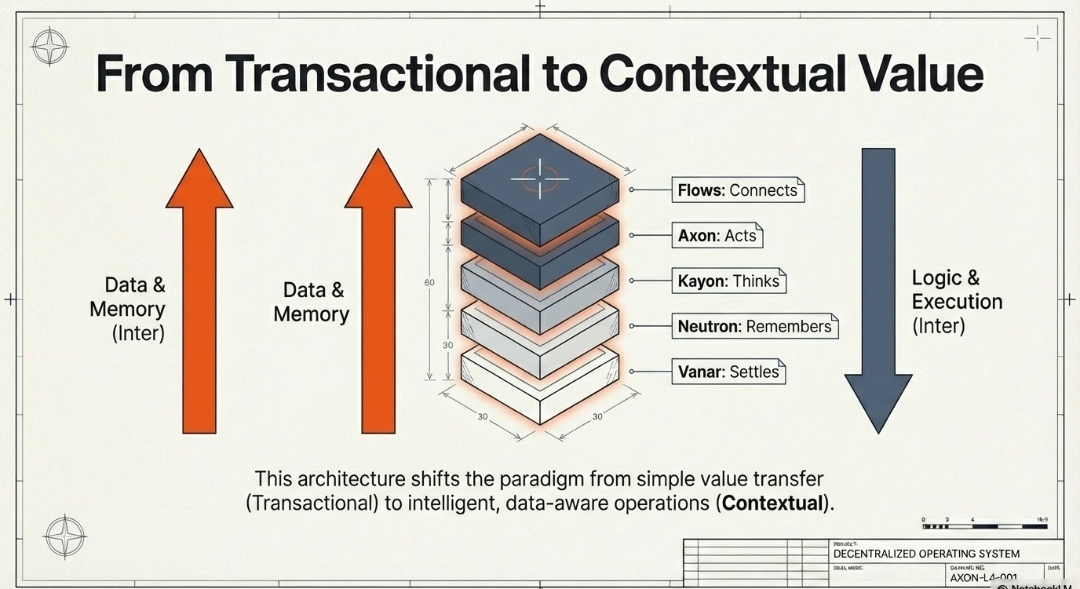
The core idea is to merge blockchain infrastructure with AI in a way that allows applications to become smarter and more adaptive over time. Vanar Chain calls this AI-native Web3 infrastructure. The way they are doing it is by building multiple layers that work together like an integrated stack rather than a siloed set of tools.
The Five Layers That Make Vanar Unique
One of the things I appreciate about Vanar Chain is that it isn’t trying to shoehorn every feature into one layer like many older blockchains. Instead, it has distinct parts that each perform a specific job. The architectural philosophy here is intentional and deserves attention.
Here’s a simplified breakdown of these layers, along with how they contribute to the ecosystem:
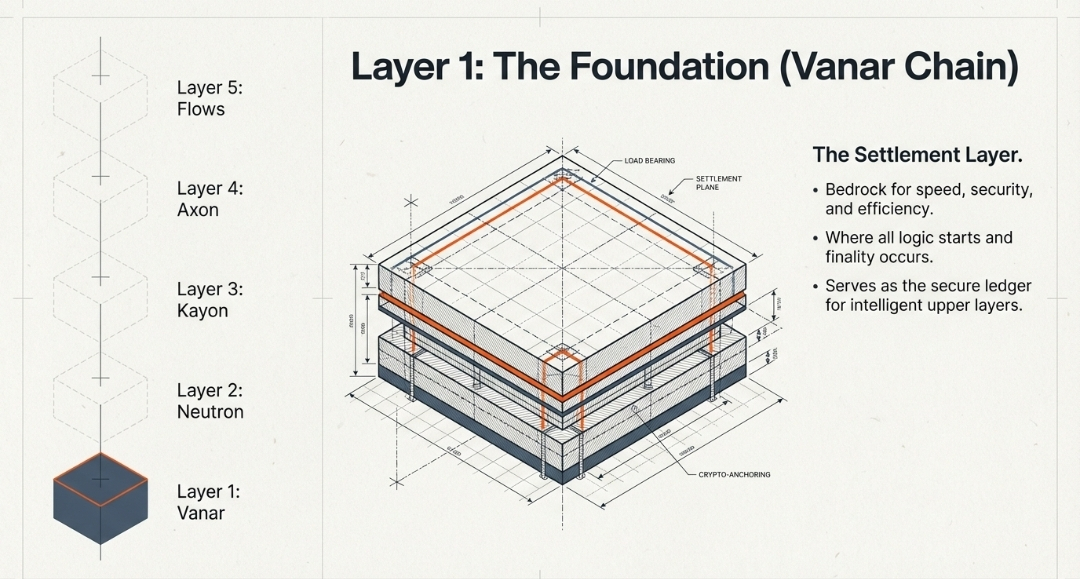
Vanar Chain: This is the foundational Layer 1 settlement layer. It’s designed for fast, secure, efficient transactions. It’s where all the logic starts and finality happens.
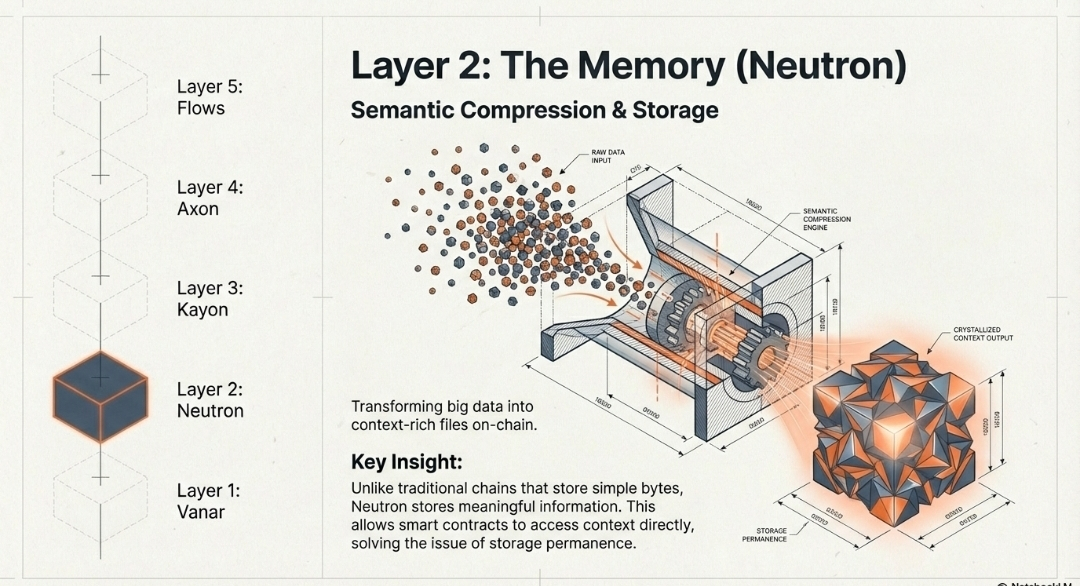
Neutron: This is a semantic compression and storage layer built to transform large data into compact, context-rich files right on the blockchain. This isn’t just storing bytes it is storing meaningful information in a way that smart contracts and AI can use it directly. This layer aims to solve one of the biggest long-standing issues in blockchain storage and permanence.
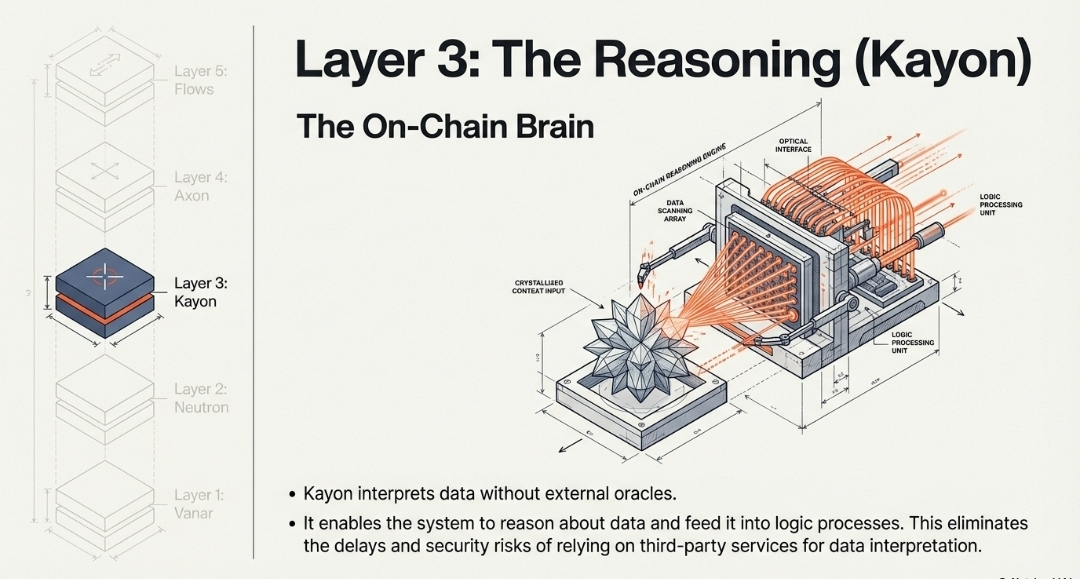
Kayon: This is the on-chain reasoning layer. Imagine a system that doesn’t just store data but understands it, can reason about it, and feed it into logic processes or intelligent workflows without needing external oracles or off-chain computation. This is big in a world where so many DeFi and Web3 apps rely on external services that introduce delays, security risks, or extra costs.
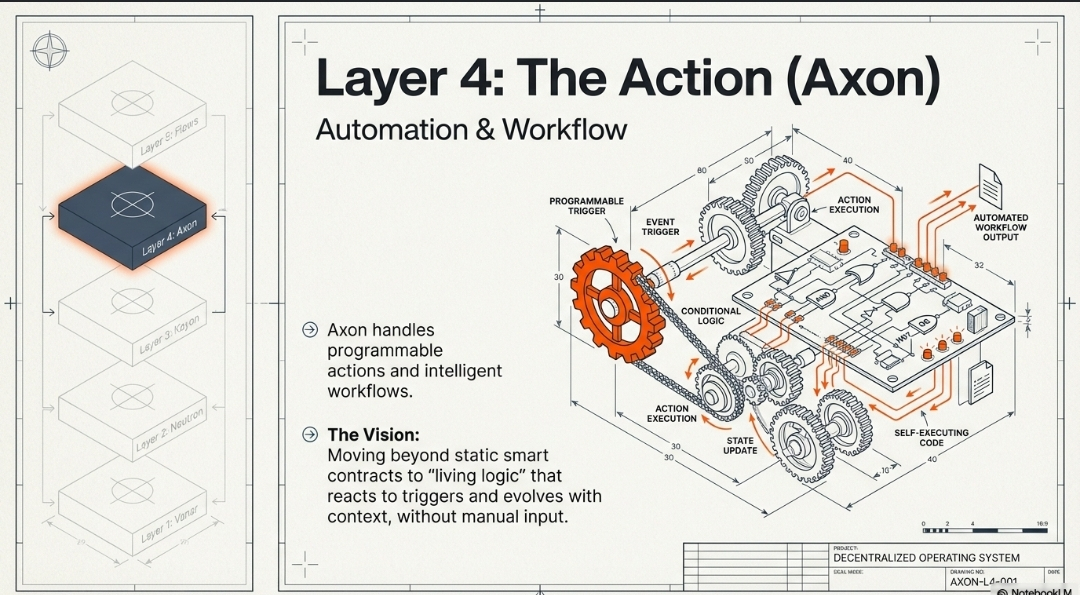
Axon: Short for automation, this layer is expected to handle programmable actions and intelligent workflows that react to triggers or conditions without manual input. While still early, the vision here is solid: move beyond static contracts into logic that can evolve with context.
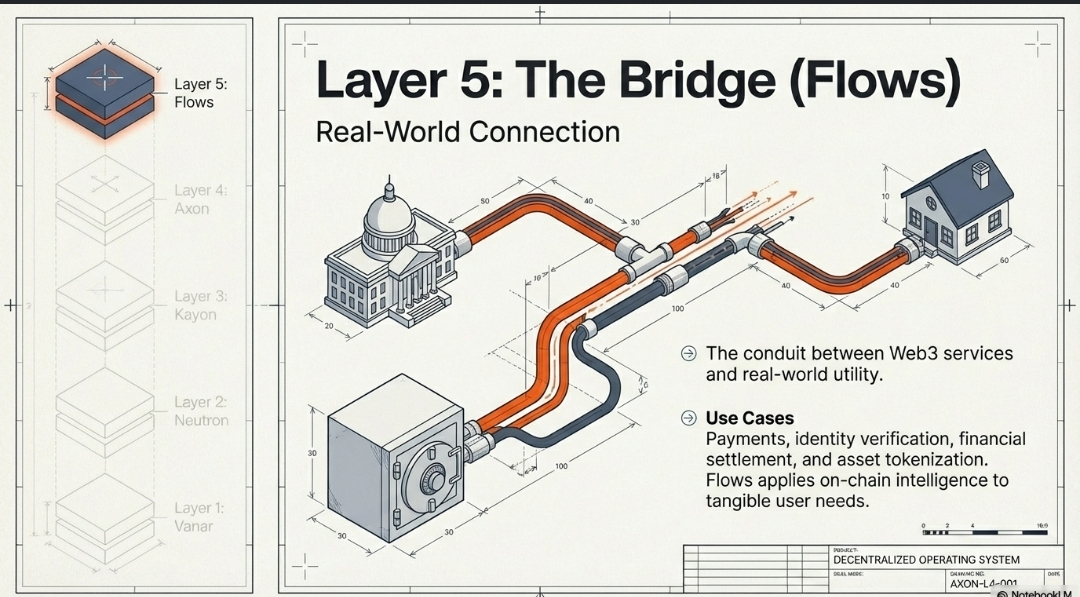
Flows: This layer will serve as a conduit between Web3 services and real world use cases. Whether it’s payments, identity verification, financial settlement, or asset tokenization, Flows is the bridge that connects utility with users.
Together, these layers make Vanar Chain feel more like an ecosystem of purpose chains rather than a simple one-layer blockchain. That’s powerful because it shows a long-term philosophy about where Web3 is going contextual value, not just transactional value.
The Introduction of AI and Why It Matters
Perhaps the most talked-about development for Vanar Chain recently is the launch of its AI-native infrastructure. The team made a strategic decision to move beyond basic smart contracts and embrace AI not as an add-on but as a foundational element. This means integrating reasoning, memory, and decision logic into the blockchain so that applications can actually utilize data in a deep way rather than just store or reference it.
This vision isn’t empty marketing. There are early integrations where natural language agents and intelligent interfaces can make sense of on-chain data, like checking balances or transactions with conversational commands. That is a small taste of something much larger: blockchain interfaces that behave more like intelligent assistants than rigid application views.
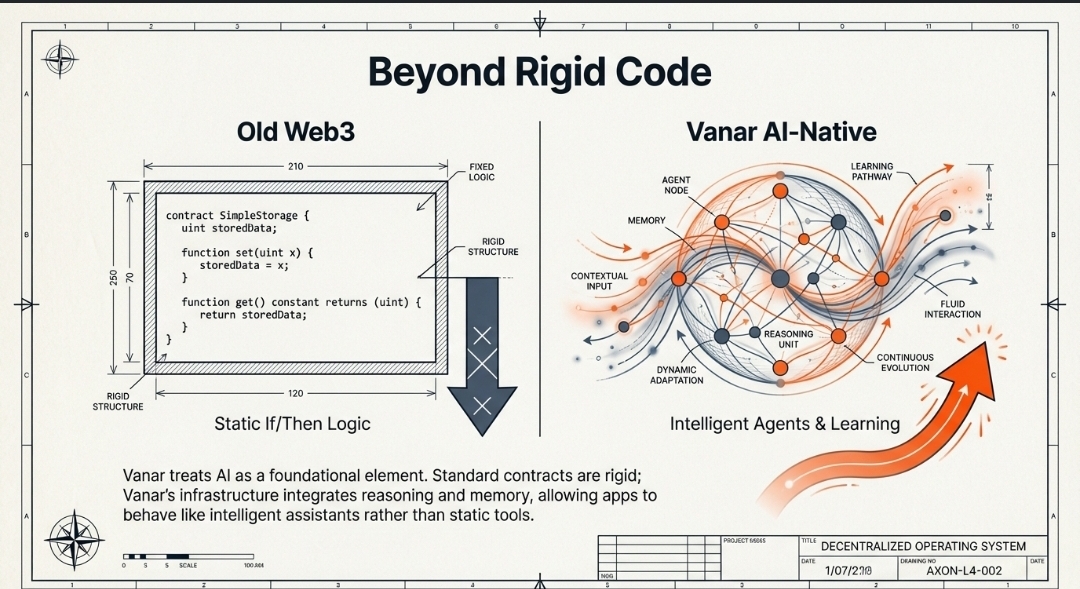
At the same time, this isn’t just about cool tech. An AI-native chain has the potential to attract real world developers who are working on applications today that are far beyond simple DeFi protocols. Think compliance logic, dynamic financial contracts, adaptive gaming experiences, digital identity systems, and more all of which can benefit from an embedded reasoning layer.
Products and Tools That Are Taking Shape
The Vanar ecosystem isn’t just talk. Several meaningful tools and services have already been announced or launched:
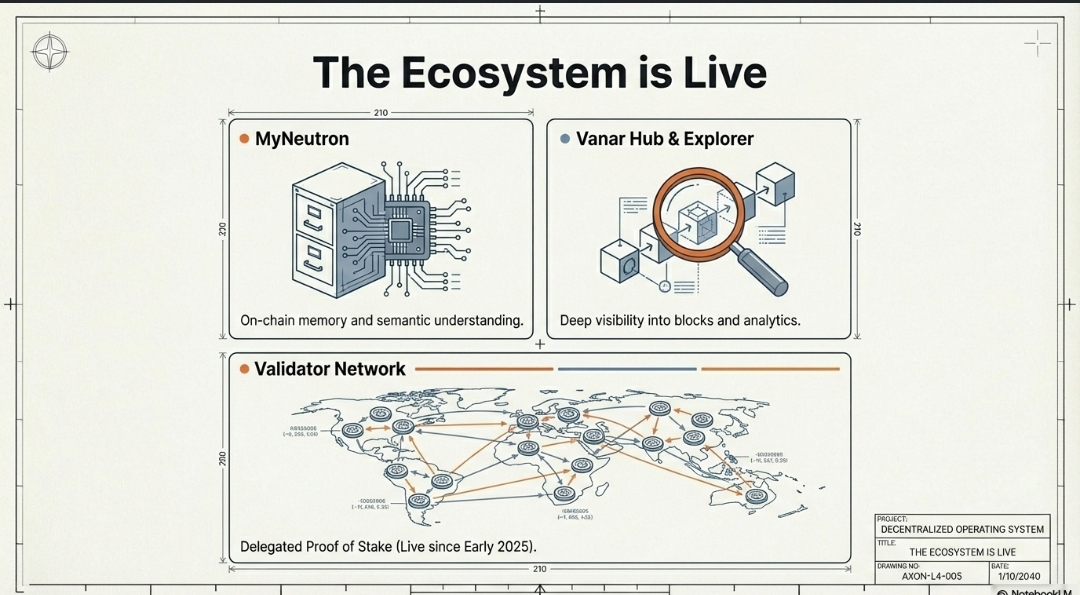
MyNeutron: This product showcases the idea of on-chain memory by allowing data to be compressed, stored, and retrieved with semantic understanding. The shift to subscription-based models suggests the team is trying to build sustainable usage rather than pure speculation.
Validators and Staking: Since early 2025 Vanar Chain implemented Delegated Proof of Stake to encourage network participation and security. Validators help secure the network, while token holders can participate by delegating, which increases alignment between community and infrastructure growth.
Vanar Hub and Explorer: Tools that make interacting with the chain easier for developers and users, giving visibility into transactions, blocks, and analytics fundamental pieces for any growing ecosystem.
And there are continued developments expected in everything from AI automation frameworks to richer integration kits for developers. The ecosystem isn’t stagnant it’s pushing toward real, usable products that extend beyond a simple token chain.
Real World Integration: Partnerships and Strategic Moves
One of the things that gets lost in crypto discussions is real partnerships that bridge the on-chain world with established networks. Vanar Chain has been stacking up noteworthy collaborations and events that matter:
The team has been present at global events where they’ve outlined their vision for agentic commerce a fancy way of saying systems where autonomous digital agents can transact, reason, and interact for users. This idea could become a real use case if adopted by serious builders and enterprises.
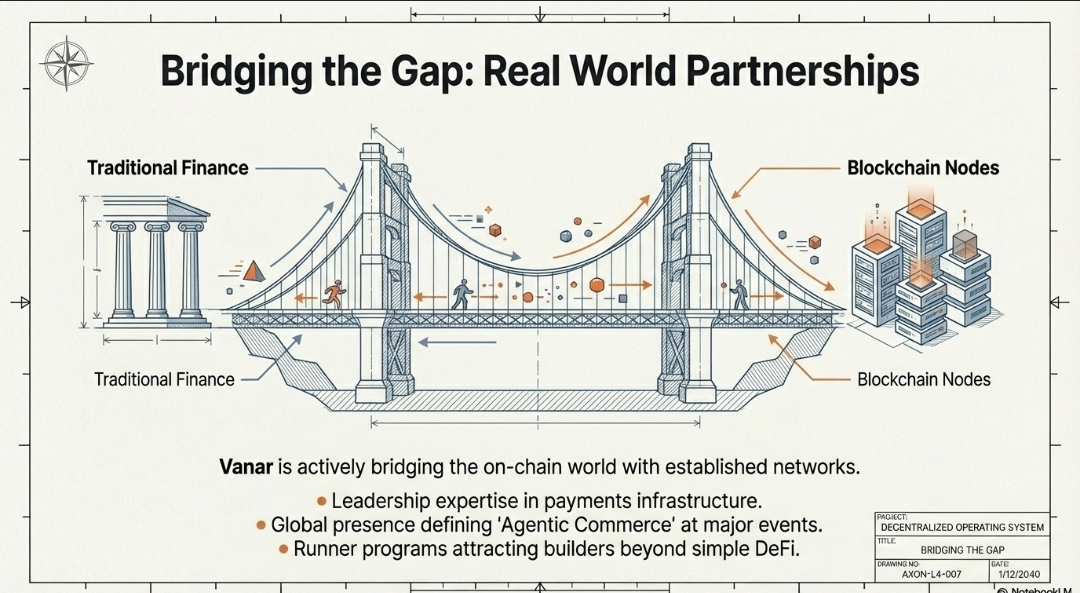
They have also brought in leadership with expertise in payments infrastructure to bridge the gap between traditional finance and blockchain. That’s not something every Layer 1 blockchain is actively doing.
Beyond corporate discussion, Vanar Chain’s products and integrations are beginning to show up in real developer experiments, including early beta access for AI-powered services and runner programs inviting builders to bring applications into the ecosystem.
$VANRY Token and Its Role in the System
It is important to understand what VANRY is actually used for. This token is not just a speculative ticker, it serves real functions inside the ecosystem.
First it is the gas token for the network, meaning every transaction, smart contract execution, or interaction with the chain uses VANRY. That alone creates an economic layer tied to usage rather than purely speculation.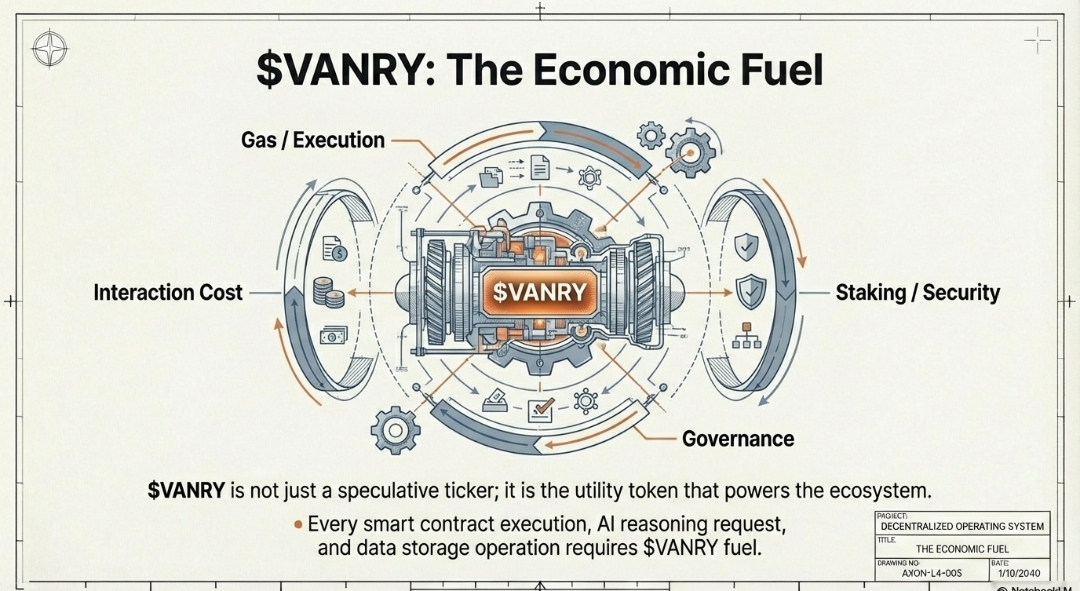
Second it is used in staking and governance. Network participants can delegate VANRY to validators, contribute to security, and share in rewards. Over time, this mechanism can help decentralize ownership and align token holders with infrastructure health.
As more tools and applications come on-chain, token demand will be tied directly to utility instead of just market sentiment. Users and developers will need VANRY to interact with AI reasoning engines, store semantic data, participate in governance, and pay for settlement operations.
Market Reality and Community Sentiment
If we are honest, the token’s price has seen its share of volatility and the market hasn’t been kind to most Layer 1 ecosystems recently. Trading volumes ebb and flow, and sentiment is cautious rather than euphoric.
But here’s what I want to stress: Vanar Chain is building infrastructure that doesn’t depend on short term market cycles. This is a slow build the type that happens beneath the noise. When you see fresh integrations, detailed architectural layers, thoughtful product releases, and real developer engagement, that is something you can anchor on during market noise.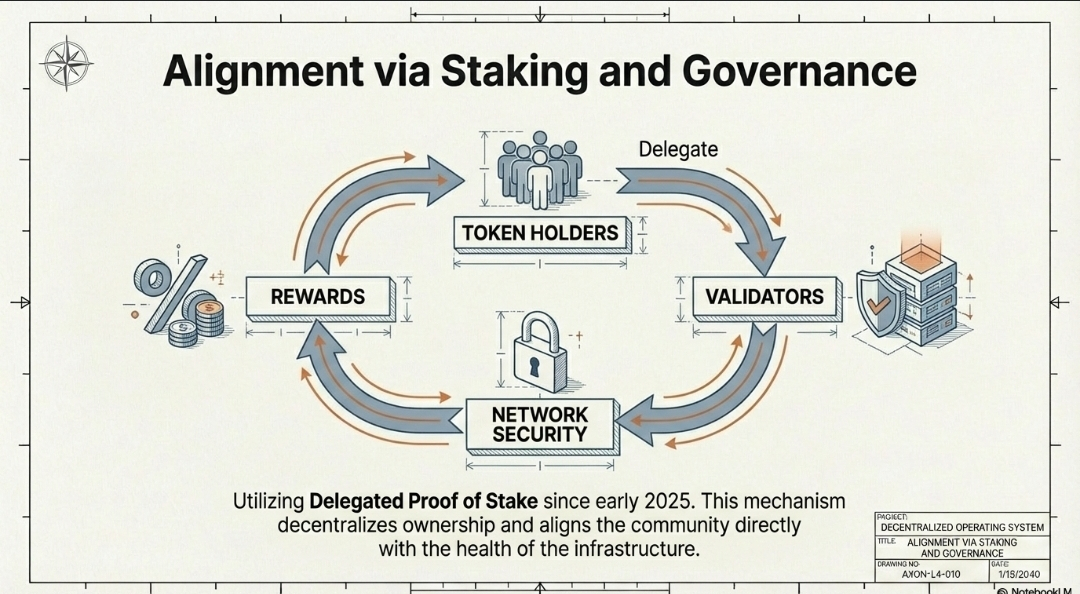
Where Things Are Headed and Why It Matters
We are not at the finish line yet. Far from it. But the direction here is meaningful. Vanar Chain is positioning to be more than a transaction layer it is trying to be the intelligent infrastructure that enables Web3 applications to think and act rather than simply execute.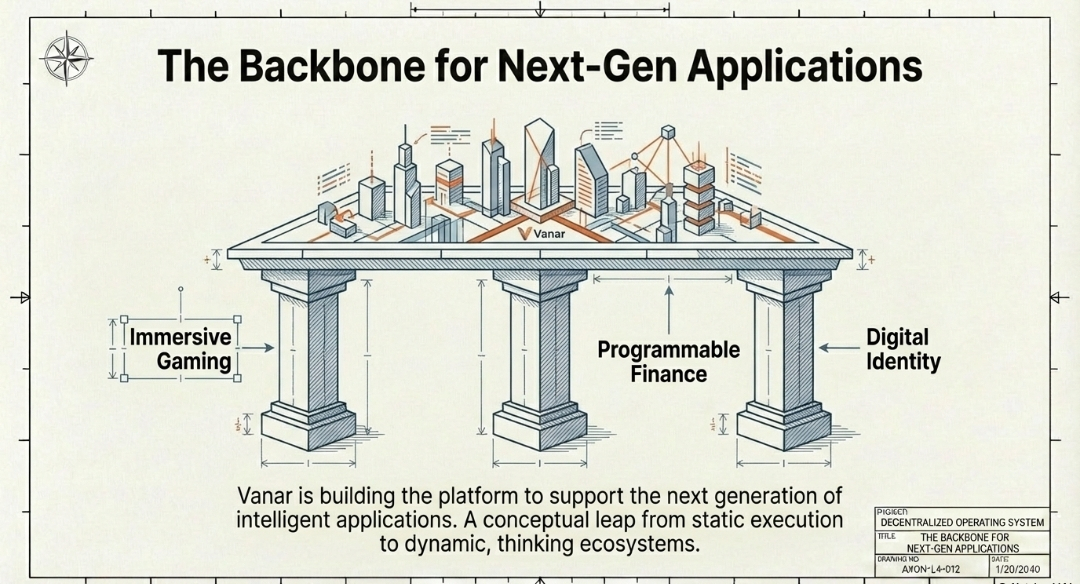
This is a conceptual leap, and early adopters will be those who see beyond static smart contracts into dynamic AI-aware ecosystems. Whether this vision fully materializes will depend on adoption from developers, real usage by people, and tangible apps that demonstrate value outside of speculation.
But right now Vanar is building a stack not just a product. It is building a platform one that could become the backbone for the next generation of intelligent applications, digital assets, gaming ecosystems, and programmable financial tools.
So if you are here for the long game, this project is worth watching closely. And if you push deeper into how these layers fit together, you will start to see why the team chose this approach in the first place.
Stay tuned. Stay curious. And as always, let’s keep exploring the tech that is quietly shaping the future of Web3.