

The blockchain landscape has evolved through distinct phases, each revealing new possibilities while exposing persistent adoption barriers. Vanar emerged during a period when the gap between blockchain’s theoretical potential and practical mainstream implementation remained frustratingly wide. The project represents more than another layer-one blockchain competing for developer mindshare. It embodies a strategic recognition that blockchain adoption would never achieve genuine scale by asking the world to adapt to blockchain’s limitations. Instead, infrastructure needed to adapt to how major brands and enterprises actually operate, meeting them where they are rather than demanding they become blockchain experts overnight.
The genesis of Vanar’s vision came from observing a consistent paradox across industries. Brand leaders understood blockchain could transform customer relationships through true digital ownership, create transparency in supply chains, and enable novel engagement models impossible with traditional technology. Yet these same leaders found themselves unable to act on this understanding because existing blockchain platforms weren’t built with their operational realities in mind. The challenges weren’t merely technical preferences but fundamental incompatibilities between what enterprises needed and what blockchain platforms provided.
Transaction economics presented an immediate barrier. Consumer brands think in terms of millions or tens of millions of interactions. When existing blockchain platforms charged fees measured in dollars per transaction, the mathematics simply didn’t work for mass-market applications. A loyalty program serving ten million customers couldn’t justify spending millions monthly on transaction fees for routine point redemptions or reward claims. Digital collectible campaigns targeting mainstream audiences couldn’t pass along multi-dollar transaction costs to consumers accustomed to frictionless digital experiences everywhere else.
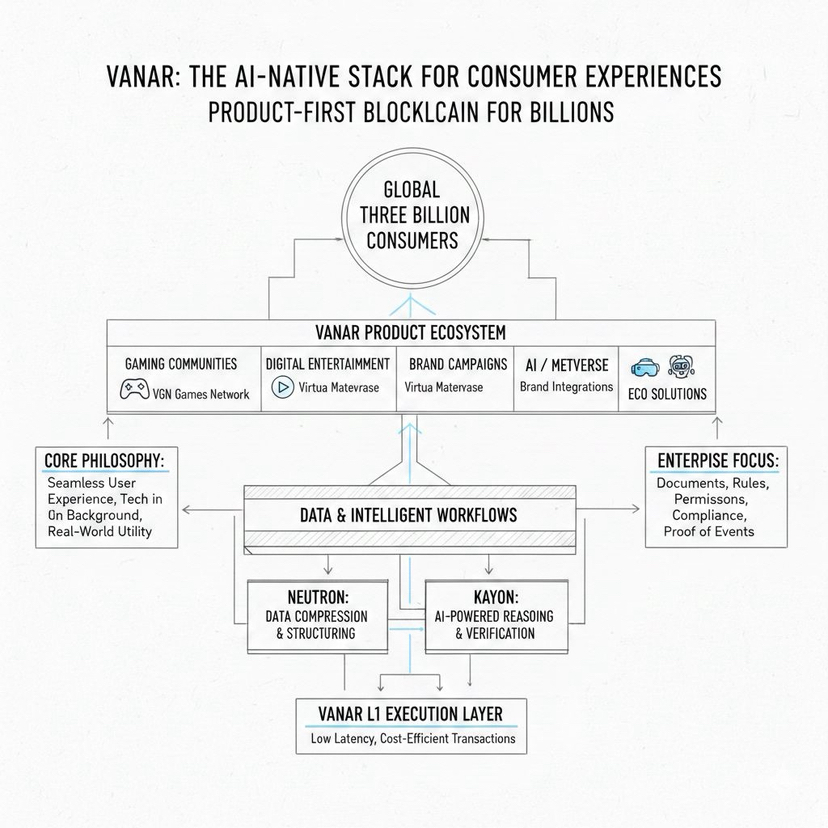
Performance characteristics created equally significant obstacles. Confirmation times that seemed acceptable for cryptocurrency trading felt broken for consumer applications. When someone makes a purchase, redeems a reward, or claims a digital item, they expect instant confirmation matching their experience with every other digital service. Waiting thirty seconds or several minutes for blockchain confirmation created user experiences that felt fundamentally broken compared to what consumers expected. Brands couldn’t launch applications that felt slower or more cumbersome than competitors using traditional technology.
Beyond economics and performance, existing platforms assumed technical sophistication that most brands lacked. Blockchain development remained specialized enough that brands struggled hiring adequate talent. Integration with existing enterprise systems like customer relationship management platforms, inventory systems, and marketing automation tools required extensive custom engineering. Support infrastructure assumed users possessed cryptocurrency knowledge that brand operations teams simply didn’t have. These weren’t problems addressable through tutorials or documentation but fundamental mismatches between platform assumptions and enterprise capabilities.
Architectural Decisions Driving Brand Adoption
Vanar’s technical architecture reflects systematic choices optimizing for brand requirements rather than general-purpose flexibility. The proof-of-stake consensus mechanism delivers transaction finality in approximately two seconds, addressing consumer application demands for responsiveness. This isn’t merely about technical specifications but understanding user psychology. Consumers have been trained by decades of digital experiences to expect instant feedback. When interactions take noticeably longer than expected, users perceive them as broken regardless of the underlying reasons. Vanar engineered finality speeds that meet consumer expectations shaped by existing digital experiences.
The network processes thousands of transactions per second, creating substantial capacity margins for usage patterns accompanying successful brand campaigns. Consumer brands face inherent unpredictability around engagement. A viral social media post might drive ten times expected traffic to a digital experience within hours. A product launch might generate concurrent activity spikes as customers rush to claim limited items. Traditional blockchains frequently buckle under these demands, experiencing congestion and escalating fees precisely when brands most need reliable performance. Vanar built capacity specifically anticipating the bursty, unpredictable traffic patterns that characterize consumer applications.
Transaction costs operate at scales enabling business models impossible on traditional blockchain platforms. Fees measured in fractions of cents allow brands to offer blockchain experiences without forcing users to think about transaction costs or maintain cryptocurrency balances just to participate. This pricing wasn’t achieved through unsustainable subsidies but through architectural choices fundamentally reducing computational overhead per transaction. When brands can integrate blockchain capabilities without adding friction to user experiences, adoption barriers largely disappear.
The Google Cloud integration represents perhaps Vanar’s most strategically sophisticated architectural decision. Major enterprises already run substantial infrastructure on Google Cloud with teams trained on those platforms and operational processes built around them. By constructing Vanar natively on Google Cloud, the project removes enormous adoption friction. When IT departments evaluate Vanar, they’re not examining exotic infrastructure requiring new expertise. They’re looking at blockchain functionality layered on cloud services they already operate, creating immediate familiarity and comfort. This decision reflects deep understanding that enterprise technology adoption depends as much on organizational dynamics and existing capabilities as on pure technical merit.
Environmental Sustainability as Core Infrastructure Principle
Carbon neutrality wasn’t retrofitted into Vanar’s architecture for marketing purposes but embedded as a foundational principle from the project’s inception. The blockchain industry carries significant environmental perception baggage from proof-of-work systems consuming massive electricity quantities. While proof-of-stake inherently requires far less energy, Vanar committed to carbon-neutral operations across their entire infrastructure stack. For brands facing increasing stakeholder scrutiny around environmental impact, this commitment removes a major adoption objection before it can derail internal approval processes.
Environmental concerns have terminated promising Web3 initiatives before they launched. Brand teams would develop exciting blockchain proposals only to face opposition from sustainability officers or board members concerned about environmental implications. Media coverage emphasizing cryptocurrency’s carbon footprint created perception problems extending far beyond actual environmental impact. Vanar’s carbon-neutral positioning allows internal brand conversations to proceed without environmental issues dominating discussions. Teams can focus appropriately on business value, customer engagement opportunities, and strategic differentiation rather than defending against environmental criticism.
The sustainability commitment also positions Vanar favorably for evolving regulatory landscapes increasingly incorporating environmental considerations. As governments implement carbon reporting requirements or environmental standards for digital infrastructure, platforms architected with sustainability as core principle rather than compliance afterthought will possess structural advantages. They’re anticipating regulatory direction rather than scrambling to adapt after requirements become mandatory. This forward-thinking approach demonstrates the kind of institutional maturity that enterprises value when selecting infrastructure partners.
Strategic Partnership Development and Ecosystem Cultivation
Vanar’s approach to brand partnerships demonstrates strategic discipline distinguishing successful infrastructure platforms from failed experiments. Rather than pursuing partnerships indiscriminately to accumulate impressive announcement lists, Vanar has cultivated deep relationships with brands serving as proof points across diverse industry verticals. These partnerships represent genuine implementations where blockchain technology delivers measurable value rather than superficial collaborations existing primarily for press releases.
Luxury brand participation in Vanar’s ecosystem carries particular significance because these companies operate with extreme sensitivity around customer experience, brand prestige, and operational reliability. When luxury brands select blockchain infrastructure, they conduct exhaustive due diligence examining technical capabilities, security guarantees, business continuity planning, and long-term platform viability. The decision to build on Vanar required these brands concluding the platform met their demanding standards. This validation from notoriously selective companies signals enterprise readiness more convincingly than hundreds of crypto startups building on the platform could achieve.
Entertainment and media partnerships showcase different aspects of Vanar’s capabilities. These industries require infrastructure handling complex digital economies, sustained high transaction volumes, and delivering seamless experiences to audiences with zero tolerance for technical friction. Entertainment consumers expect digital interactions to work flawlessly without requiring them to understand underlying technology. If blockchain integration creates noticeable performance issues or forces users learning cryptocurrency concepts, engagement simply won’t happen. Vanar’s entertainment partnerships demonstrate their infrastructure meets these demanding requirements while remaining invisible to end users.
Gaming implementations reveal Vanar’s ability to support applications with particularly stringent performance demands. Games require consistent low-latency performance handling sudden player activity spikes without degradation. They need economic models where in-game transactions happen frequently enough that even small per-transaction fees become prohibitive. Players expect game experiences to feel seamless, with blockchain elements enhancing rather than detracting from gameplay. Vanar’s gaming partnerships validate that their technical architecture supports demanding real-time applications at consumer scale while maintaining the invisibility that great infrastructure requires.
Token Economics Aligning Network Participants
The VANRY token functions as economic coordination mechanism aligning incentives across diverse ecosystem participants toward network health and sustainable growth. Validators stake VANRY to participate in consensus, earning rewards for securing the network while facing slashing penalties for malicious behavior or poor performance. This creates strong economic commitment to honest operation because validators have substantial capital at risk. The staking mechanism ensures network security derives from economic rationality rather than depending on trust or altruism.
Staking dynamics create interesting supply effects as network adoption grows. Increased transaction volume attracts additional validators to handle load and earn validation rewards. More validators means more VANRY locked in staking contracts, reducing circulating supply while simultaneously demonstrating growing network activity and strengthening security through increased decentralization. These relationships between network growth, validator participation, and token supply create feedback loops theoretically supporting long-term value beyond pure speculation as the platform matures.
Transaction fees paid in VANRY generate utilization-driven demand directly correlated with network activity. Unlike tokens where utility remains largely theoretical, Vanar’s fee mechanism creates genuine economic consumption as applications process transactions. Brand applications serving millions of users generate substantial aggregate fee demand even though individual transaction costs remain minimal. This connection between network usage and token demand creates fundamentally different economics than pure governance tokens lacking direct utilization drivers. As brand adoption grows and more consumer interactions flow through Vanar, fee demand scales proportionally.
Governance rights associated with VANRY enable community participation in protocol evolution while creating interesting tensions around decision-making. Token holders can vote on protocol upgrades, parameter adjustments, and ecosystem funding allocation. For platforms targeting enterprise clients, governance requires careful balance. Brands value stability and predictability, favoring slower conservative governance processes. Crypto communities value decentralization and democratic participation, favoring more responsive token-weighted governance. Vanar must navigate between these competing preferences while maintaining legitimacy with both constituencies as the platform matures.
Developer Ecosystem and Technical Accessibility
Attracting talented developers represents critical success factor for any blockchain platform’s long-term viability and growth. Vanar approaches developer recruitment by minimizing learning curves and providing familiar tooling. Smart contracts use Solidity, the most widely adopted smart contract language, meaning developers experienced with Ethereum or EVM-compatible chains can transition to Vanar without learning entirely new paradigms. This compatibility gives Vanar access to thousands of skilled developers who could build on the platform with minimal retraining investment.
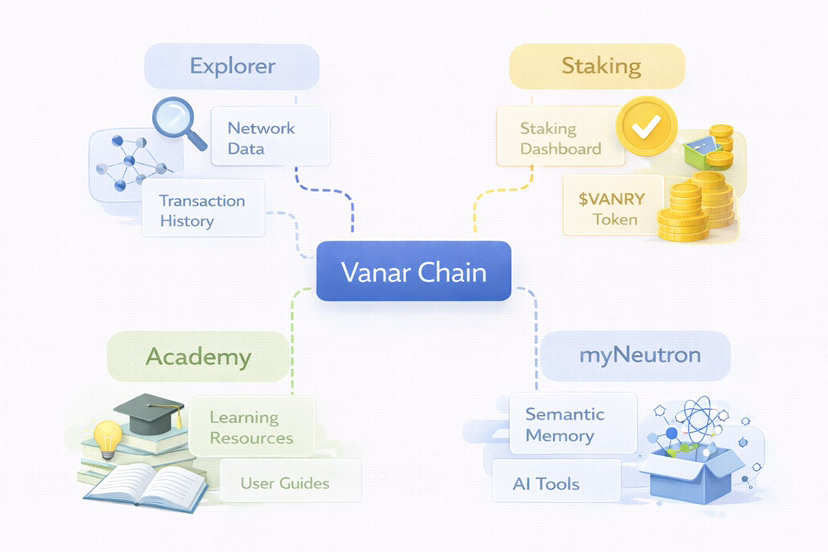
Documentation and support infrastructure extend beyond basic API references to comprehensive guides for common integration patterns. Developers can find detailed examples for typical brand use cases including digital collectibles, loyalty programs, supply chain tracking, and customer engagement applications. SDKs in multiple programming languages reduce custom code requirements for standard functionality. Developer support channels provide responsive assistance when documentation proves insufficient. These investments might seem like basic requirements, but many blockchain projects underinvest in developer experience and subsequently struggle attracting top talent.
The developer ecosystem encompasses more than individual builders to include agencies and studios specializing in building blockchain applications for brand clients. These service providers need reliable infrastructure they can confidently recommend to enterprise customers. When agencies commit to specific blockchain platforms, they invest substantially in developing specialized expertise, building internal tools and accelerators, and establishing proven workflows. Vanar cultivates these agency relationships because each one potentially brings multiple brand projects over extended periods. Agencies building successful implementations for initial brand clients become powerful advocates bringing additional brands to the platform.
Competitive Positioning and Market Dynamics
The competitive environment surrounding Vanar includes numerous layer-one blockchains and layer-two scaling solutions competing for developer attention, transaction volume, and ecosystem growth. What distinguishes Vanar in this crowded market fundamentally derives from strategic focus and disciplined execution against clear objectives. While many competitors attempt serving every conceivable use case, Vanar deliberately optimized for brand and enterprise adoption. This specialization enables deeper understanding of specific customer requirements and more targeted feature development addressing what matters most for those particular use cases.
We’re seeing network effects beginning to compound as the platform demonstrates success. Each brand implementation makes Vanar more attractive to subsequent brands evaluating Web3 infrastructure options. Developer expertise building brand-focused applications transfers efficiently to new projects, creating an experienced talent pool familiar with common patterns and best practices. Infrastructure and tooling improve through real-world feedback from production deployments rather than theoretical requirements. These positive feedback loops are essential for long-term infrastructure success where early advantages can become self-reinforcing through increasing returns to scale.
Broader market conditions naturally impact Vanar’s trajectory alongside execution quality. Cryptocurrency markets cycle between enthusiasm and skepticism affecting capital availability and market attention spans. Regulatory frameworks evolve creating opportunities and constraints that platforms must navigate. Macroeconomic conditions influence corporate willingness to invest in emerging technologies during different business cycle phases. Vanar must execute its roadmap while navigating these external forces beyond direct control. The focus on enterprise value creation rather than token price speculation potentially provides some buffer from crypto market volatility, though complete independence remains impossible given interconnected market dynamics.
The Vision for Mainstream Blockchain Integration
Looking forward several years, Vanar’s success will be measured by how naturally blockchain capabilities integrate into brand experiences without demanding user attention or technical understanding. The ultimate vision isn’t consumers constantly thinking about blockchain but rather blockchain enabling better experiences, true ownership, and novel engagement models while remaining invisible. Vanar aims to become infrastructure powering these experiences without requiring user awareness of underlying technical implementation.
New application categories will inevitably emerge beyond current use cases as brands gain comfort and discover possibilities. Digital collectibles, gaming assets, and loyalty programs represent early applications, but the potential extends much further. Identity solutions might enable personalization while preserving privacy. Supply chain tracking could build consumer trust through verified transparency. Entirely new business models might emerge from capabilities blockchain uniquely enables. Vanar’s architectural flexibility will determine how effectively it supports future innovations without requiring fundamental platform rebuilds or disruptive migrations.
If it becomes standard practice for major brands incorporating blockchain into customer experiences, Vanar’s early positioning around enterprise needs creates substantial advantages. The partnerships established now, expertise developed supporting brand implementations, and infrastructure optimizations addressing real-world requirements all compound over time. Early movers willing to invest in understanding enterprise adoption dynamics position themselves favorably for the mainstream adoption wave if and when it arrives at scale.
The journey from initial vision to ubiquitous infrastructure spans years requiring navigation of countless challenges. Competitors will emerge with alternative approaches and different strategic priorities. Technology will evolve creating new possibilities and rendering some current approaches obsolete. Through these dynamics, Vanar’s clarity around who they serve and what problems they solve provides strategic direction. They’re building infrastructure making blockchain genuinely accessible and practical for brands serving mainstream consumers, not through compromising on decentralization or security but through thoughtful optimization addressing real adoption barriers. Whether this strategy succeeds at the scale envisioned depends on continued execution and market acceptance, but the strategic logic reflects sophisticated understanding of what blockchain needs to transition from niche technology to mainstream infrastructure powering the next generation of digital brand experiences.