

Most blockchain conversations are organized around arrival. Launch dates. Product releases. Partnerships. Token events. The language is forward-looking, often urgent, sometimes impatient. We are trained to wait for the moment when something finally becomes real.
But infrastructure rarely announces itself that way.
In many cases, the decisive work happens before attention arrives. Systems evolve toward a state where they are capable of absorbing demand long before that demand materializes. From the outside, it can look quiet. From the inside, it is preparation.
This is the posture that increasingly defines Vanar Chain.
Instead of centering the story on what might happen next, Vanar appears to be asking a different question: if growth came tomorrow, would the environment already know how to handle it?
That is a subtle shift. It replaces anticipation with discipline.
Readiness is not about speed in isolation. It is about coordination between components. Execution, identity, cost behavior, developer familiarity, user expectations, governance signals. When these parts align, scaling becomes less dramatic because fewer assumptions break.
Prepared systems experience growth differently.
Historically, many chains have prioritized early expansion. Attract liquidity. Launch applications. Create visible momentum. There is nothing inherently wrong with this approach, yet it often exposes weaknesses later. Infrastructure that performs well during excitement may struggle during routine usage. Volatility can be managed; ordinariness is harder.
@Vanarchain seems oriented toward ordinariness from the start.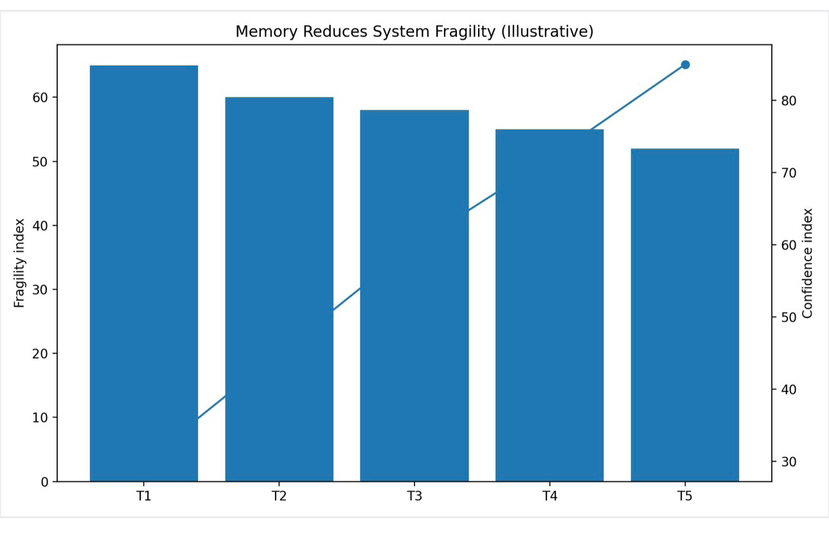
Ordinary, in this context, does not mean unimpressive. It means predictable. Builders understand what will happen when they deploy. Users recognize patterns in how transactions behave. Costs do not surprise. Interfaces feel familiar. Recovery paths exist.
These are qualities that rarely trend online, yet they determine whether people stay.
Another way to describe readiness is reduction of negotiation. Participants do not need to renegotiate trust each time they interact. They rely on precedent. Previous outcomes inform future expectations.
Confidence compounds quietly.
For developers, readiness lowers risk. If environments are stable, teams can invest in longer roadmaps. Integration decisions become durable rather than experimental. Hiring, partnerships, compliance discussions all become easier when foundations are legible.
This is how ecosystems thicken.
For users, readiness translates into comfort. They may not analyze architecture directly, but they feel its absence immediately. Failed assumptions produce anxiety. Smooth repetition produces habit.
Habit is stronger than curiosity.
Vanar’s positioning suggests an understanding that mainstream growth may arrive from outside crypto-native communities. New participants will not necessarily celebrate complexity. They will expect technology to behave in ways consistent with the digital services they already trust.
Meeting that expectation requires preparation in advance.
Readiness also influences governance. Systems that are stable allow communities to debate direction instead of constantly repairing fundamentals. Energy shifts from reaction to planning. Over time, this creates a different cultural tone less emergency, more stewardship.
Stewardship attracts serious builders.
It is important to remain realistic. Preparation does not guarantee adoption. Many capable systems have waited longer than expected for their moment. Skepticism is appropriate.
Yet when demand eventually appears, it tends to favor environments that are already operationally mature. Retrofitting stability under pressure is difficult.
Being ready beforehand is an advantage.
What makes Vanar interesting is the coherence of this strategy. The pieces point toward an ecosystem designed to welcome usage without drama. The ambition is not to surprise participants with performance, but to make performance feel normal.
Normal becomes reliable. Reliable becomes default.
The industry often celebrates what is new. But infrastructure history suggests that what endures is what works repeatedly. Readiness, therefore, may be less visible than innovation, yet more consequential.
Vanar is leaning into that reality.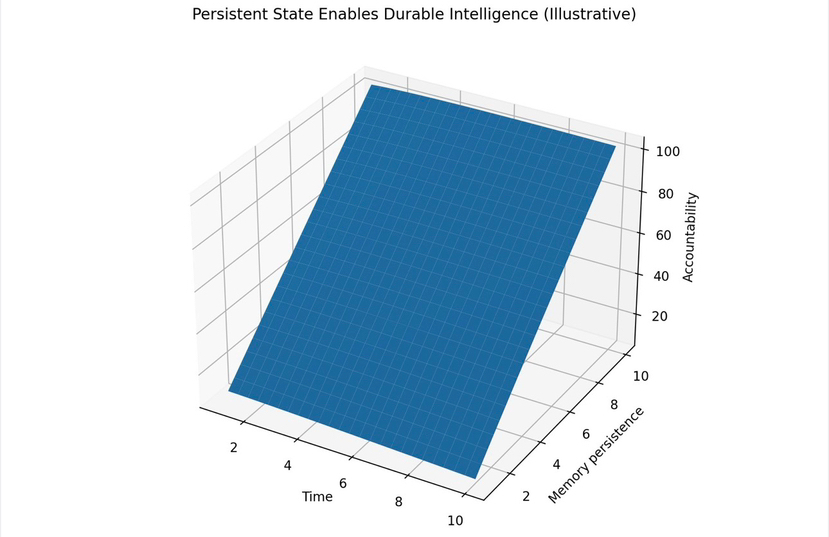
If growth accelerates in the coming years through AI integration, consumer applications, or new financial patterns participants will gravitate toward places that do not require them to relearn behaviour.
They will choose environments that already anticipated their arrival.
Whether Vanar becomes one of those environments remains to be proven. Execution will decide. But the orientation toward preparedness is clear, and clarity itself is a meaningful signal.
Sometimes the most important milestone is not launch.
It is readiness.