
Vanar did not emerge from a simple ambition to create yet another high-performance blockchain. Its foundation lies in the development of Virtua, a digital collectibles and metaverse platform that experimented with blending entertainment, gaming, and branded experiences on blockchain technology in a user-friendly way. As the ecosystem expanded, the team realized that depending on third-party networks imposed constraints on speed, adaptability, and long-term growth. This understanding gradually led to the creation of a purpose-built Layer 1 blockchain tailored to consumer applications rather than primarily financial use cases.
Shifting toward Vanar marked a deeper architectural transformation. The project moved away from being framed as a speculative venture and instead concentrated on building infrastructure capable of supporting entertainment-driven ecosystems at scale. The VANRY token became the central economic component, evolving from the digital asset frameworks originally associated with Virtua. Rather than serving as a simple rebranding effort, the transition aimed to align the technical foundation with actual usage trends observed in gaming and metaverse environments. This continuity strongly influenced the system’s design and overall structure.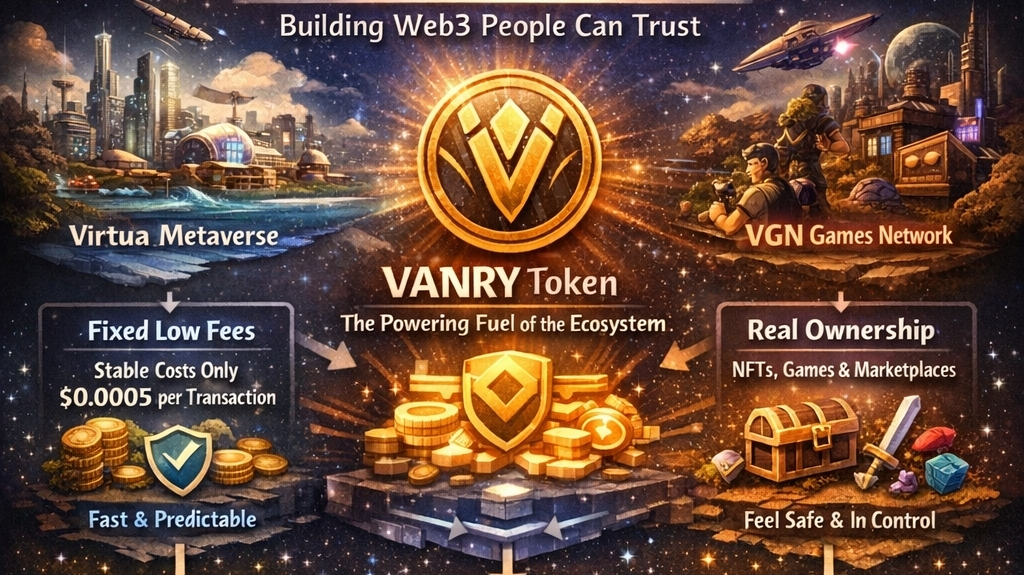
From a technical standpoint, Vanar functions as an EVM-compatible Layer 1 blockchain. This compatibility allows developers accustomed to Ethereum-based tools to deploy or migrate applications without mastering entirely new systems. By lowering technical barriers, the network becomes more accessible—especially for entertainment brands and companies that may prefer to avoid complex blockchain development processes. The platform emphasizes quick transaction speeds and cost efficiency, features that are particularly important in gaming ecosystems and digital collectibles markets where frequent interactions are common.
One notable characteristic of the network is its hybrid consensus mechanism, which blends staking incentives with a Proof of Reputation framework. Validators help secure the blockchain while their credibility and established partnerships influence participation. This structure seeks to strike a balance between decentralization and operational stability, an important consideration for enterprise collaborators expecting dependable infrastructure. By combining financial incentives with reputational accountability, the model attempts to mitigate risks often associated with fully anonymous validator systems.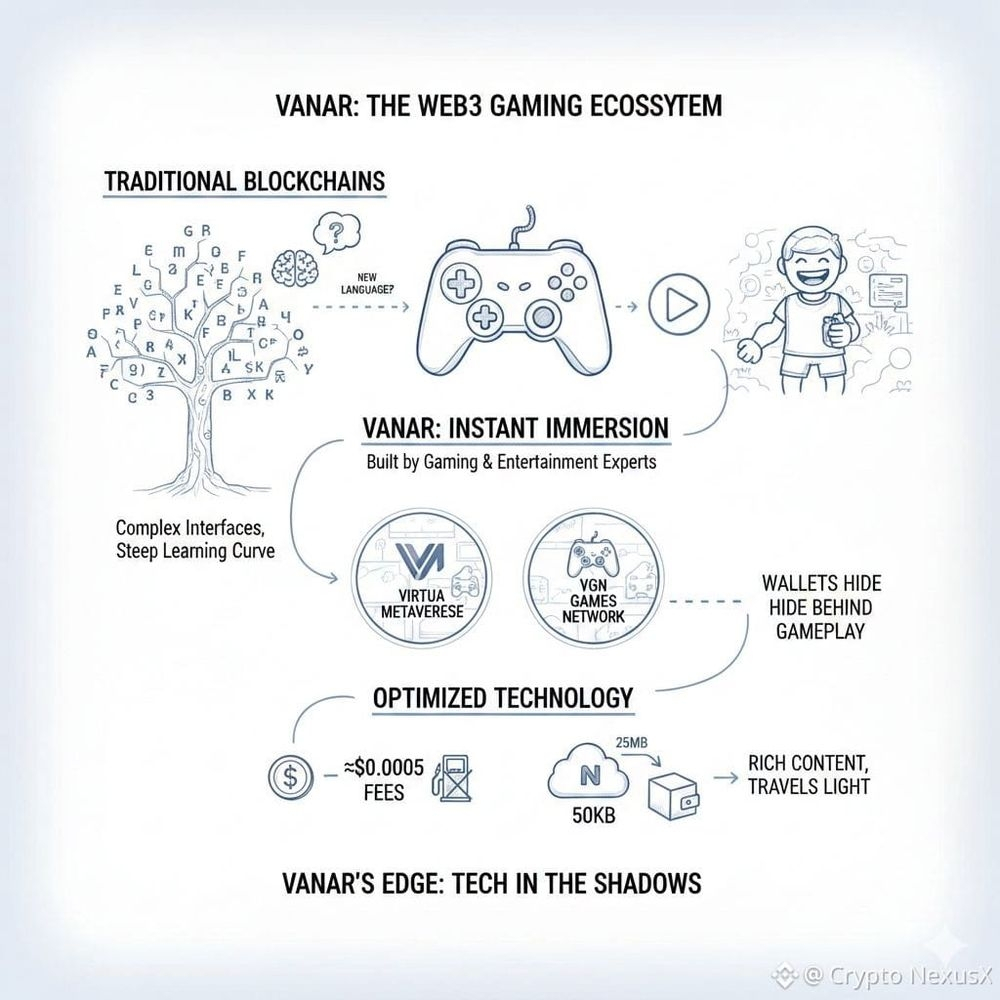
Beyond its base blockchain layer, Vanar incorporates AI-focused infrastructure designed to manage complex digital assets. Tools such as Neutron and Kayon are built to compress extensive datasets into compact on-chain references, enabling applications to process large volumes of information without overloading storage resources. This approach reflects a broader perspective that future Web3 ecosystems will extend beyond simple token transfers, potentially involving AI-enhanced interactions, immersive media, and persistent virtual spaces requiring efficient data management.
The VANRY token fulfills multiple functions within the ecosystem, including covering transaction fees, supporting staking mechanisms, and potentially enabling governance participation. Its issuance schedule is spread across a long-term timeline to help moderate inflation and promote steady network engagement instead of short-lived surges. For a blockchain centered on consumer use cases, stable tokenomics can significantly influence developer confidence in building applications that depend on predictable operational costs.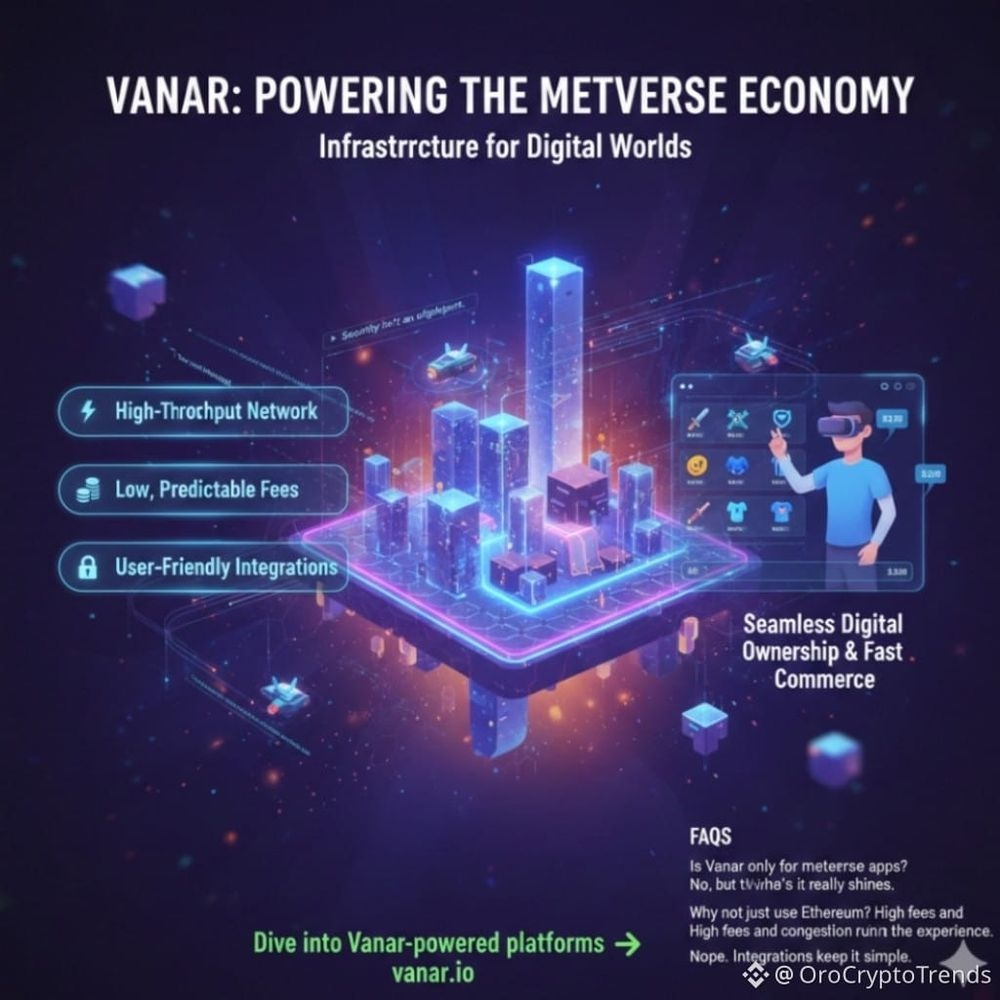
When assessing performance, success may not be defined solely by transaction throughput. Indicators such as steady application expansion, integration with gaming ecosystems like VGN, and continued growth of metaverse environments connected to Virtua may provide more meaningful insights. The strategy emphasizes vertical integration, ensuring that infrastructure, applications, and user experiences evolve cohesively. This integrated model aims to prevent fragmentation, which can arise when ecosystems rely exclusively on external contributors without offering unified tools or platforms.
Nonetheless, challenges remain. Emerging Layer 1 blockchains frequently encounter hurdles related to interoperability, liquidity distribution, and attracting sustained developer engagement. Even with EVM compatibility, networks can struggle if perceived as isolated. In response, the team has introduced multichain minting capabilities and cross-network compatibility features to enhance asset mobility. Security risks also remain significant, particularly in gaming and consumer environments where phishing and fraud are prevalent. AI-driven monitoring systems represent one strategy to address these concerns, though their effectiveness will depend on ongoing refinement and practical testing.
External market conditions add further complexity. Adoption within gaming and metaverse sectors has often progressed more slowly than initial expectations suggested, with many projects experiencing cycles of rapid interest followed by declining engagement. Vanar’s long-term positioning appears to reflect this reality by prioritizing strategic partnerships, gradual ecosystem development, and infrastructure designed for evolving digital experiences rather than relying on short-term speculative momentum.
Looking forward, the project’s trajectory may hinge on how successfully it integrates AI capabilities with entertainment ecosystems. As decentralized applications increasingly combine identity management, digital ownership, and intelligent data processing, networks optimized for compressed data and persistent virtual worlds could gain relevance. Growth may occur steadily through collaborations with brands, creators, and game studios instead of dramatic speculative surges.
Ultimately, Vanar represents an effort to blend cultural and entertainment experiences with blockchain infrastructure in a seamless manner. Rather than spotlighting the technology itself, the objective is to embed it quietly beneath user-facing platforms so that complexity fades into the background. The project’s long-term success will depend on execution quality, ecosystem adoption, and developer participation. What stands out is its alignment with a broader industry movement toward infrastructure that supports everyday digital interaction—pointing toward a future where blockchain becomes an unobtrusive foundation for virtual engagement rather than the focal point itself.
