

Crypto Is No Longer the Future… It’s Happening Now
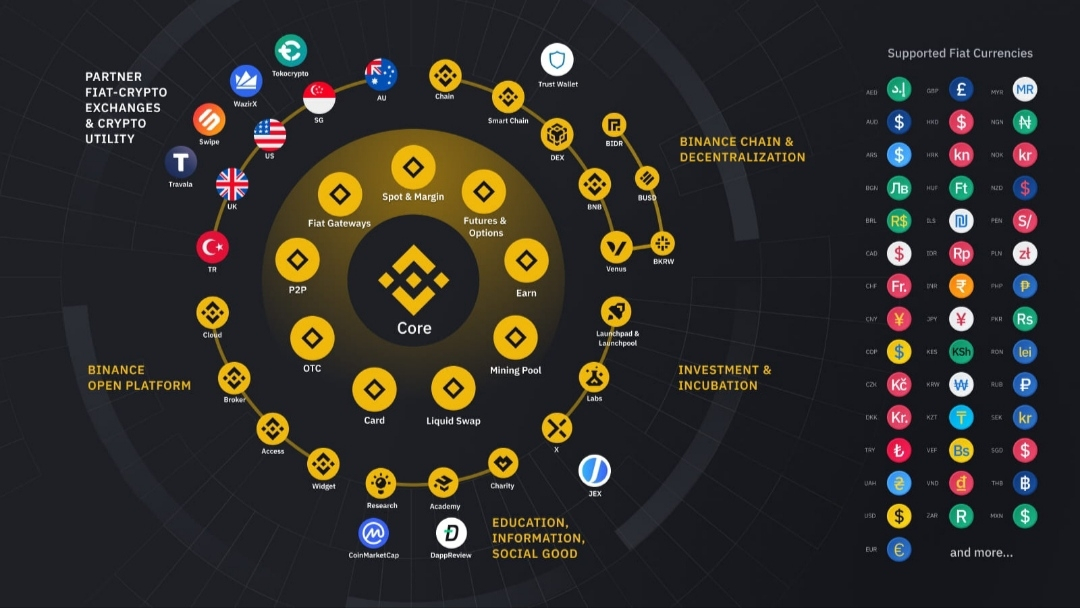
There was a time when crypto lived only inside charts, whitepapers, and late-night discussions about a distant digital future. Back then, the question was always when blockchain would touch everyday life. Today, that question feels outdated. The shift is already here, quietly integrating into normal routines — buying coffee, paying subscriptions, booking travel. The line between Web3 and the real world is fading, and one of the clearest symbols of that change is the Binance Visa Card.
What makes this moment different isn’t just technology. It’s usability. For years, crypto promised freedom, ownership, and global access, yet spending it in the real world remained complicated. Converting tokens, moving funds between platforms, waiting for confirmations — friction stood in the way of true adoption. The Binance Visa Card changes that narrative by removing the invisible barriers between holding crypto and actually using it.
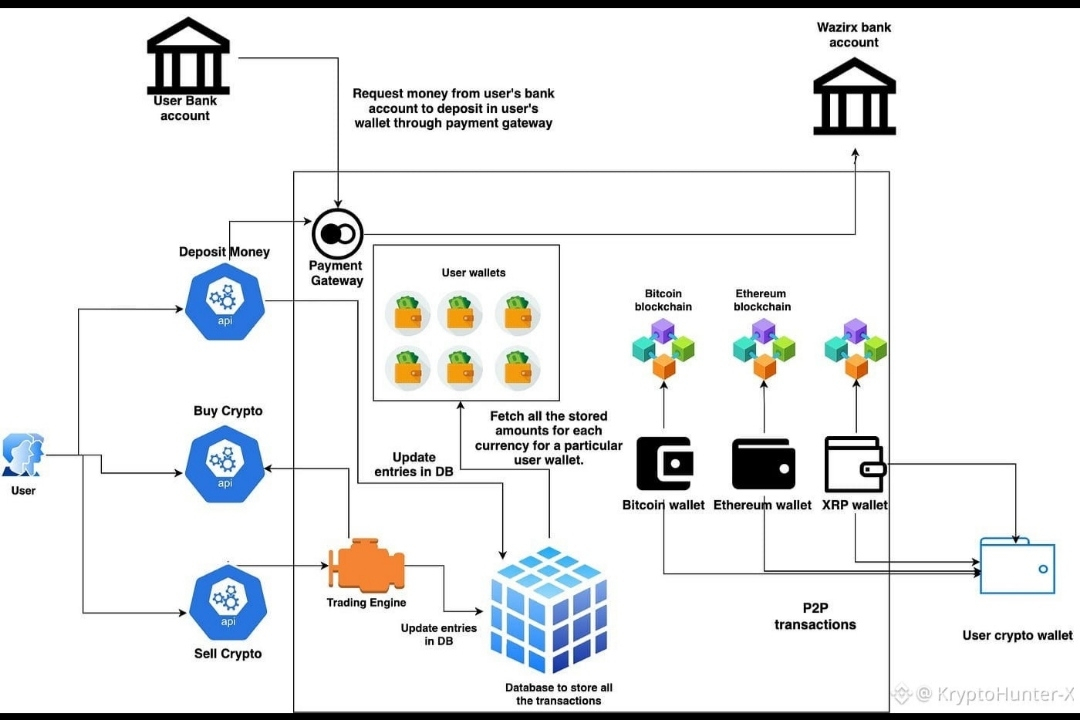
With a simple tap at any Visa-supported merchant, digital assets transform into real-world purchasing power. No complicated steps. No mental gymnastics. Just a familiar payment experience powered by a completely new financial layer underneath. That simplicity is powerful because mainstream adoption rarely happens through complexity. It happens when innovation becomes invisible.
At the center of this experience sits BNB — not just as a tradable asset, but as real utility in motion. The difference between speculation and utility is where long-term value is born. Tokens that exist only for price movement eventually fade into noise, but tokens embedded into real economic activity begin to feel permanent. BNB powering payments, fees, rewards, and ecosystem access shifts it from theory to function. And function is what turns belief into sustainability.
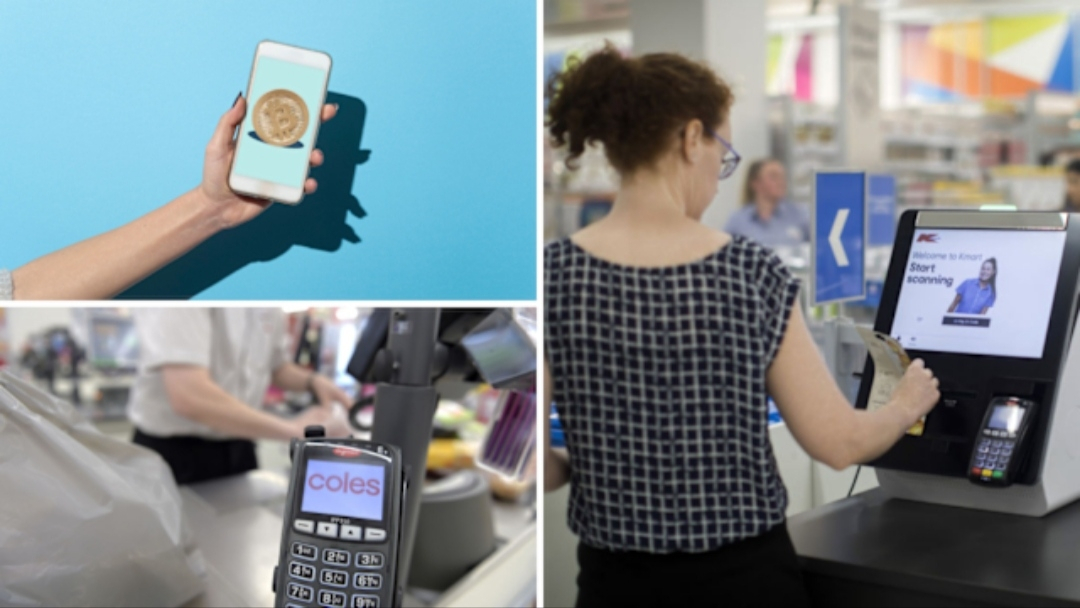
This is where the deeper story unfolds. The Binance Visa Card is not merely a payment tool; it’s a bridge. A bridge between decentralized ownership and centralized convenience. Between blockchain speed and real-world acceptance. Between the idea of financial freedom and the daily act of spending money. Bridges matter in technology transitions because they reduce fear. They allow people to step into the future without feeling like they left the present behind.
Yet every innovation carries two sides. Convenience accelerates adoption, but it also raises important questions. How will regulation shape crypto payments globally? Will decentralization lose meaning when wrapped inside familiar financial rails? Can true financial sovereignty coexist with compliance-driven infrastructure? These tensions are not weaknesses — they are signs of a maturing industry. Every transformative technology passes through this phase where ideology meets reality.
Still, momentum tells its own story. Crypto cards, on-chain payments, and tokenized finance are expanding faster than skepticism can keep up. What once sounded experimental now feels practical. And practicality is the quiet force that reshapes entire systems. People don’t adopt technology because it is revolutionary. They adopt it because it works better than what came before.
The emotional shift is just as important as the technical one. Spending crypto used to feel like sacrificing potential future gains. Now it feels like participation in a living ecosystem. A signal that digital assets are no longer waiting for permission to matter. They already do. Every real-world transaction powered by blockchain is a small confirmation that the financial landscape is evolving in real time.
This doesn’t mean the journey is complete. Volatility, regulation, security, and education still shape the road ahead. But the direction is clearer than ever. Web3 is not replacing the real world — it’s merging with it. Quietly. Gradually. Irreversibly.
And maybe that’s the most powerful realization of all. The future of crypto didn’t arrive with noise. It arrived with a simple tap of a card.
#BinanceVisaCard #CPIWatch $BTC