

My personal journey from confusion to clarity after understanding what Fogo is actually fixing
When I first read about Fogo, I didn’t start by looking at tokenomics or ecosystem promises. I started with a simple question:
Why do payments and trading still feel broken on most blockchains, even after years of innovation?
I’ve interacted with DeFi, moved funds between wallets, tried trading on different networks, and one feeling kept repeating: friction. Delays. Failed transactions. Gas surprises. Front-running. Wallet incompatibilities.
And strangely, most projects seem to accept this as “normal”.
Fogo doesn’t.
The hidden problem we normalized in crypto

Over time, I realized something uncomfortable:
We normalized a system where:
Users compete to get transactions included.
Bots exploit ordering for profit (MEV).
Gas fees fluctuate unpredictably.
Wallet choice limits access.
Speed depends on who pays more.
This is not a payments system.
This is an auction for priority.
And that realization changed how I read Fogo’s design.
Payments and trading should not be a race
While reading What is Fogo, I noticed something subtle but powerful:
Fogo is not trying to make transactions faster for those who pay more.
It is redesigning how transactions are ordered and executed.
That’s a completely different mindset.
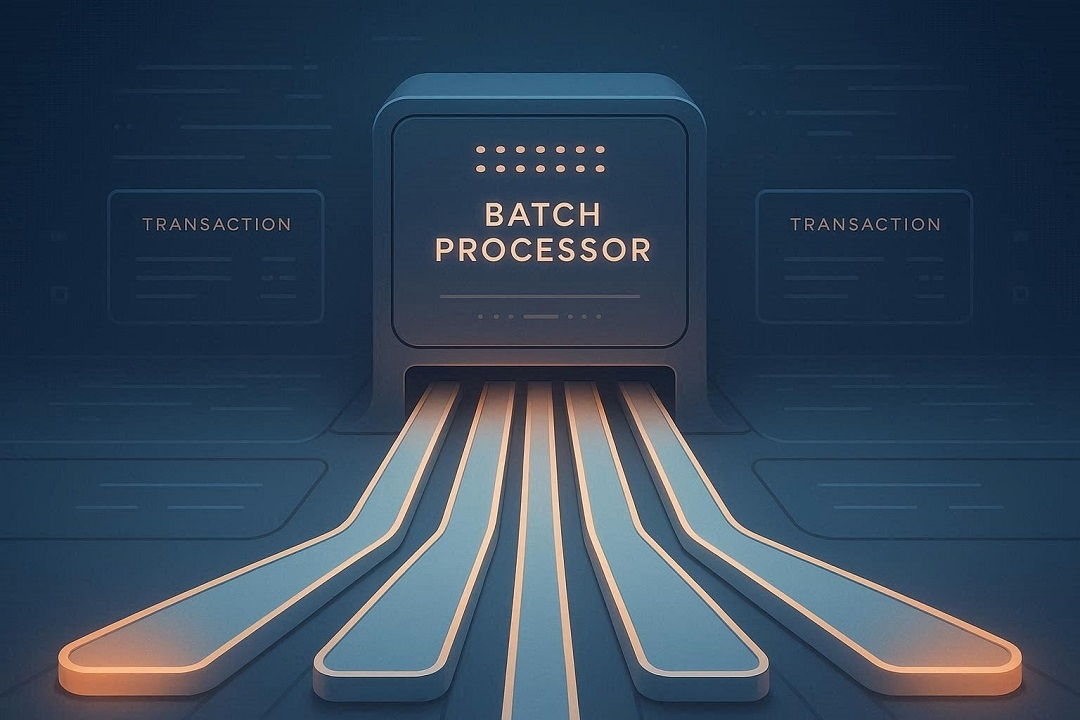
Instead of a mempool where transactions fight each other, Fogo introduces mechanisms like coordinated batch processing and execution fairness that make trading and payments feel deterministic rather than competitive.
For the first time, I felt like I was reading about infrastructure built for users, not bots.
The trading experience we never questioned
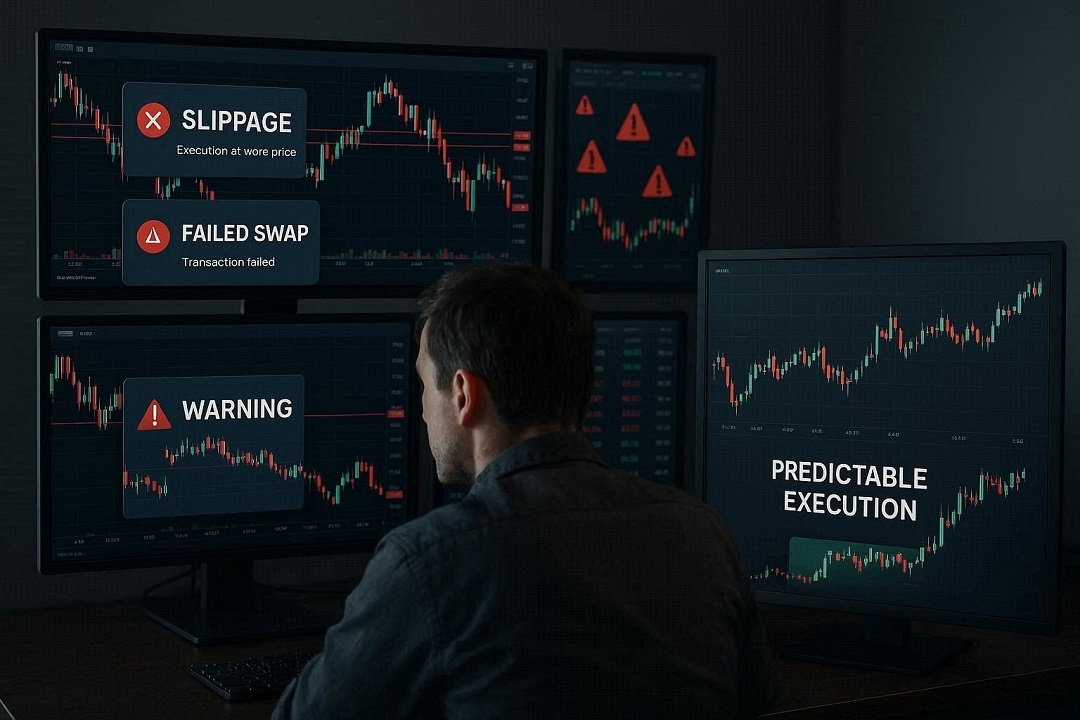
In most DeFi environments:
You don’t know your final price until execution.
You fear front-running.
You repeat transactions if they fail.
You overpay gas to be “safe”.
I had accepted this as part of crypto trading.
Fogo made me question why this should exist at all.
If the infrastructure is designed correctly, trading should feel closer to submitting an order in a regulated exchange than gambling in a mempool battlefield.
Wallets, gas, and the friction nobody talks about
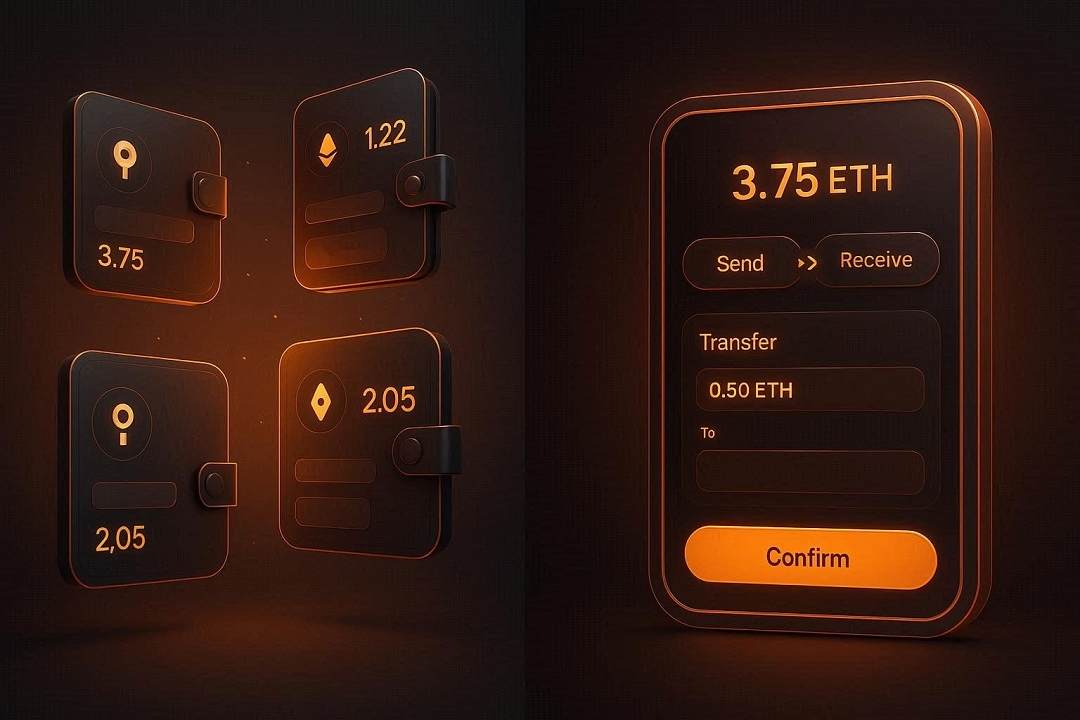
Another issue I had never fully articulated was wallet dependency and gas management.
Switching wallets. Bridging assets. Holding native tokens just to pay fees. Explaining this to a non-crypto user is almost impossible.
Fogo’s approach to wallet-agnostic and gasless interaction shows that this friction is not inevitable. It’s a design choice most chains never revisited.
And that felt like a breakthrough insight to me.
What Fogo is really fixing
After going through their material, I stopped seeing Fogo as “another chain”.
I started seeing it as a response to three structural problems we accepted for too long:
Transaction ordering chaos (MEV and front-running).
Competitive fee markets for basic payments.
UX fragmentation caused by wallets and gas mechanics.
Fogo addresses these at the architectural level, not with patches or add-ons.
That’s rare.
Final reflection
Understanding Fogo was not about discovering a new protocol.
It was about realizing that many of the frustrations I had with crypto trading and payments were never inevitable. They were consequences of design decisions.
And Fogo is one of the first projects I’ve seen that goes back to the foundation and asks:
What if we built this correctly from the start?
That question alone made me look at payments and trading in a completely different way.
