
If you’re looking at $ATM right around that time, the big story is simple: it’s in a momentum phase, and momentum phases in fan tokens can pay fast but punish even faster. The move you described has the classic “impulse candle + volume expansion + bullish MA reclaim” look, which is usually what traders want to see when a coin transitions from basing to trending. The only catch is that these tokens don’t trend politely. They tend to rip, stall, wick both directions, and then decide later whether it’s a real trend or a hype spike.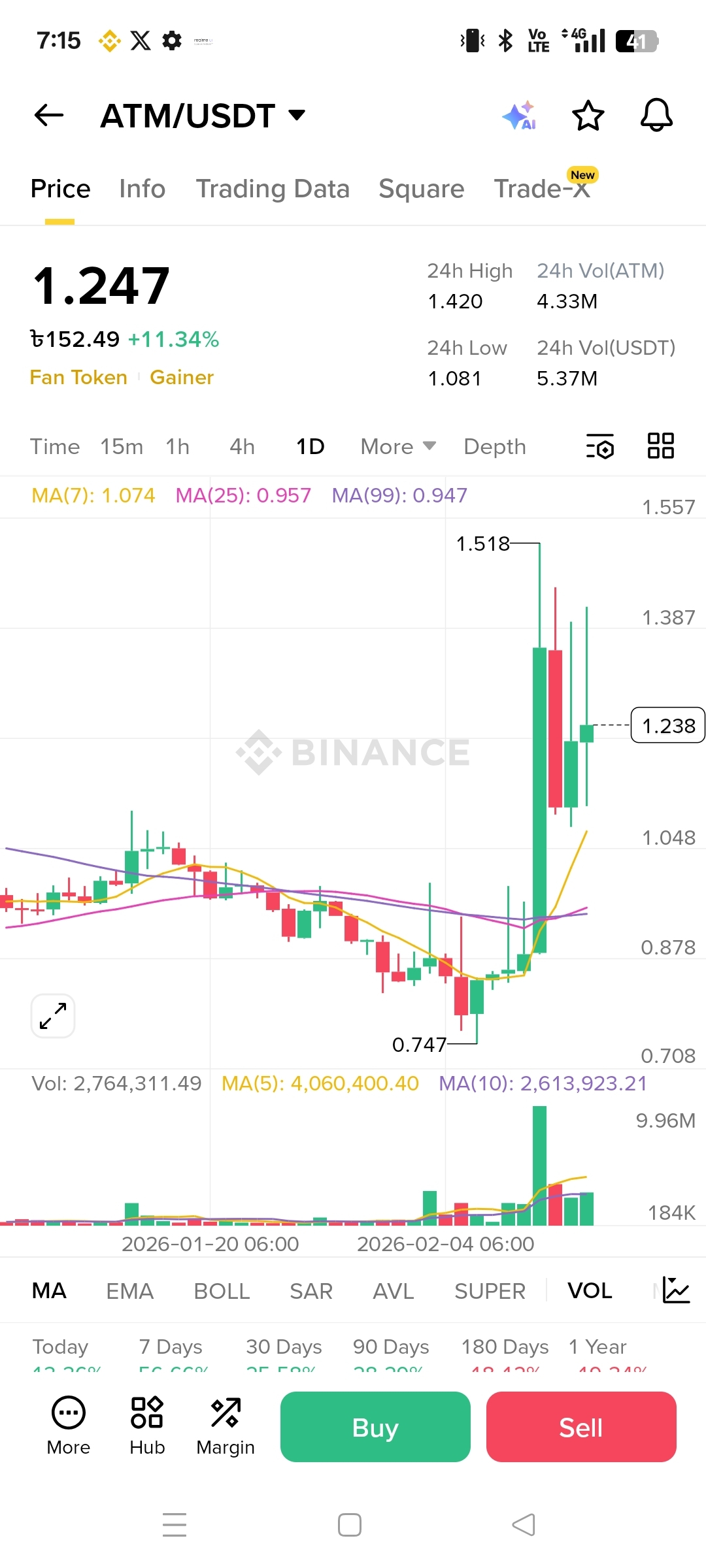
If your style is a quick swing for 15–30%, I’d treat it like a trade, not a marriage. That usually means you care most about whether price can hold the breakout area on a pullback and then push again with clean follow-through. In human terms: you want to see it stop leaking, find buyers near the levels that mattered (the reclaim zone you mentioned around the mid-1.2s), and then start printing higher highs again without a nasty rejection wick. If it does that, the prior high zone becomes a very natural first take-profit area because it’s where a lot of people will sell “to be safe,” and it’s also where a lot of late buyers get trapped if momentum fails.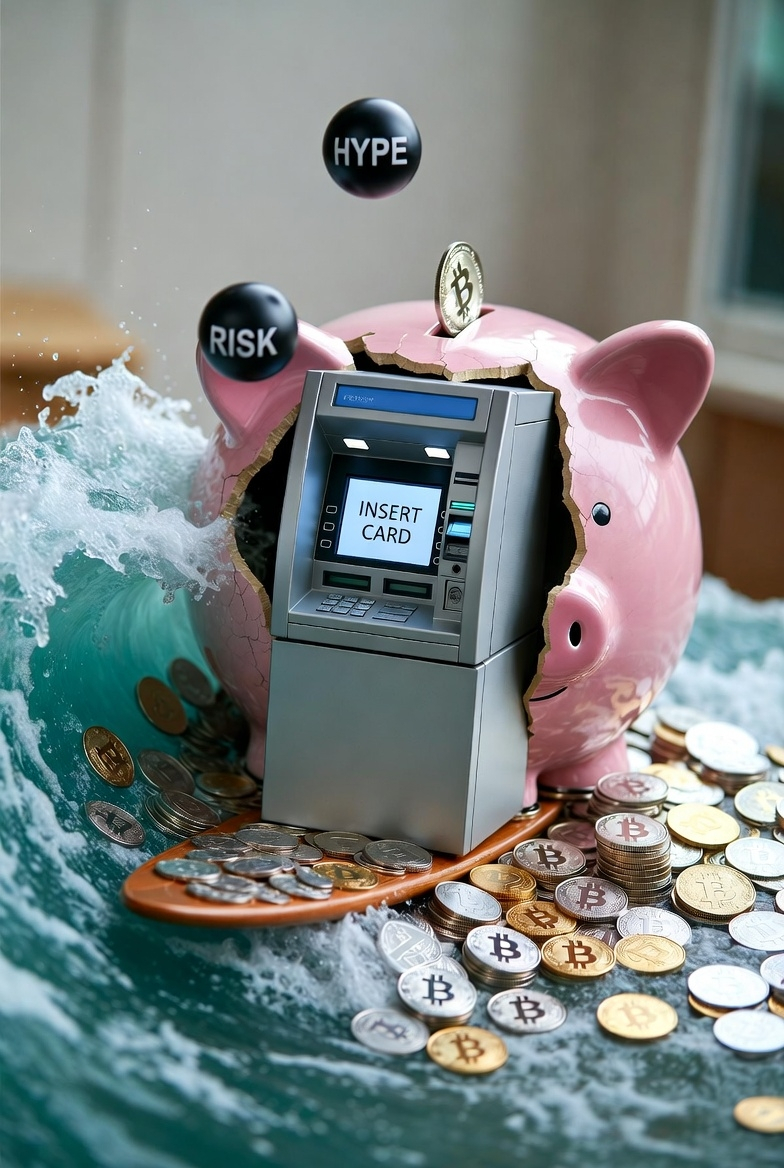
If you’re hoping for the bigger “fan token season” legs, the mindset changes. You’re no longer trying to nail a perfect entry; you’re trying to stay on the right side of a trend and not get shaken out by noise. That’s where trailing logic matters more than targets. In those runs, you often get a second and third push after the first spike, but only if volume keeps showing up on green candles and the pullbacks stay controlled. The moment you start seeing big red rejection candles near the highs or volume drying up on bounces, that’s usually the market telling you the hype fuel is fading and distribution is starting.
Risk management is the whole game here. Fan tokens can give you a clean +10% and then slap you with a -15% wick in the same session. So the “right” way to trade it, if you trade it at all, is small sizing and a plan you’ll actually follow when it gets stressful. A practical approach is to either enter on strength after a clear reclaim (so you’re not catching a falling pullback), or scale lightly on a controlled dip with a hard invalidation level that you respect. And once you’re in profit, you protect it. Moving a stop up, taking partials into resistance, and refusing to let a winner turn into a loser is what separates a good momentum trade from a painful lesson.
On catalysts, you’re thinking in the right direction. These moves often get extra juice from match days, wins, club announcements, fan votes, or just a broader rotation where “fan tokens” start trending and money piles in. The tricky part is that the chart usually moves before the news is obvious, and then dumps when the crowd finally notices. So I’d use news as a bonus tailwind, not the main reason to hold. The main reason to hold is still price behavior: does it keep making higher lows, does it defend the breakout zone, and does volume show up when it tries to push higher.
If I had to put it in one sentence: for a quick swing, focus on reclaim and retest behavior and take profits into the prior high area; for a bigger run, focus on staying with the trend and trailing intelligently, because the top won’t announce itself until after it’s already done the damage. #ATM
