
Over the past year, I’ve noticed something interesting about Web3 gaming. Most projects talk a lot about “mass adoption,” but very few actually build the tools that make adoption possible. That’s why I started paying closer attention to VanarChain and its ecosystem around #VANRY . Not because of hype, but because the approach feels more practical than promotional.
When people hear “VANRY,” they often think it’s just another gaming token. But after spending time exploring the ecosystem, it’s clear that it’s meant to be part of a bigger system. The focus isn’t only on trading in-game assets or launching NFTs. It’s about helping developers build complete games on-chain and helping players use them without feeling like they’re learning a new technology every time they log in.
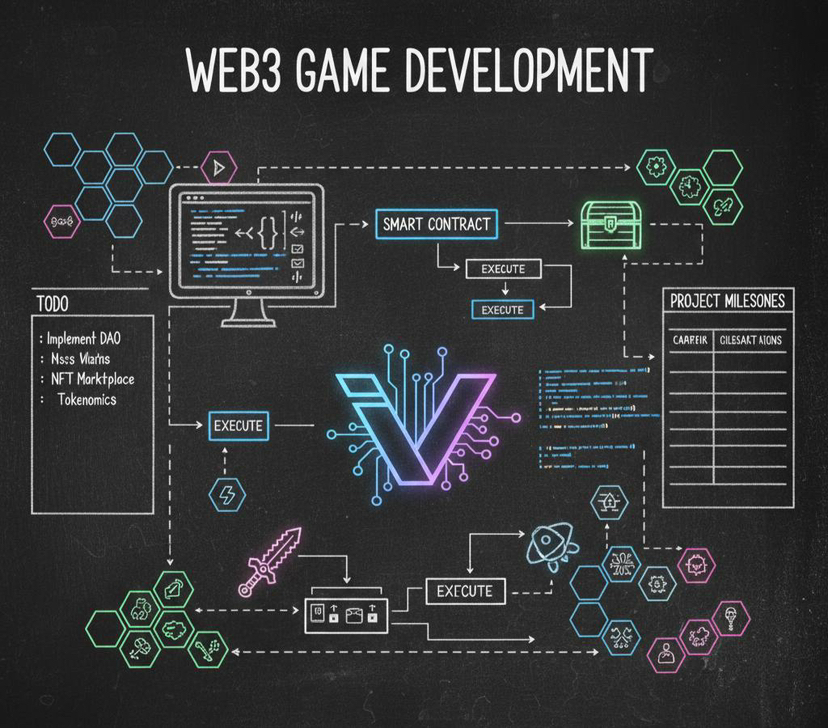
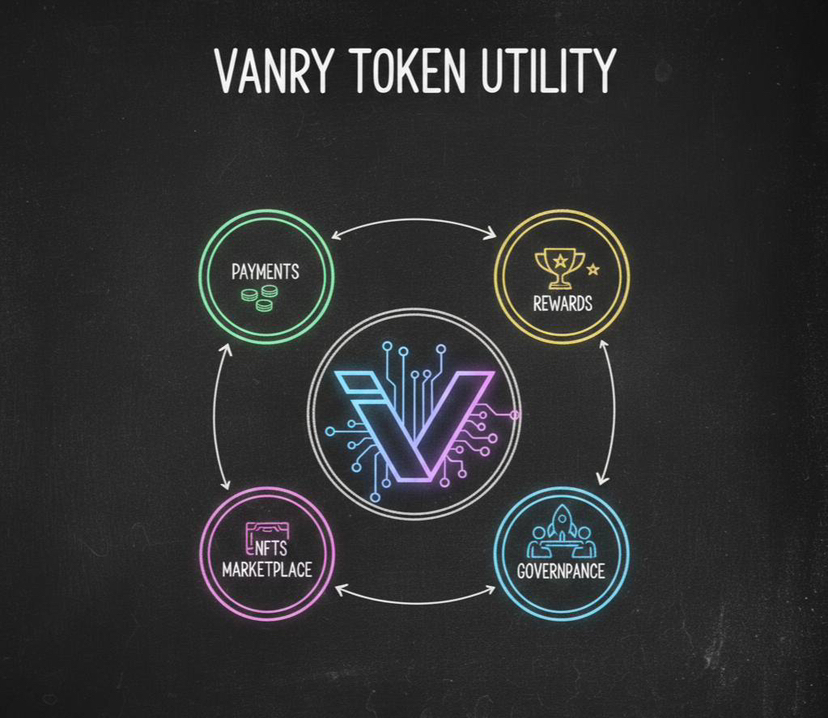
What makes this interesting is how directly Vanar targets real problems in Web3 gaming. Many blockchain games fail because development is complicated, wallets are confusing, and transactions break immersion. VANRY is designed to support payments, rewards, asset movement, and governance inside games so these things feel natural instead of forced. When these basics work smoothly, players stay longer. And when players stay, ecosystems grow.
Another reason I keep watching this project is usage. VANRY isn’t built only around price speculation. It has roles inside the platform: powering transactions, supporting incentives, and connecting different parts of the ecosystem. That gives it a reason to exist beyond market cycles. In the long run, that matters more than short-term pumps.
Community activity is also worth mentioning. Strong projects don’t grow quietly in isolation. They grow through developers, creators, and users who keep showing up. Around Vanar, you can see steady participation from builders working on games, platforms, and interactive experiences. That kind of organic involvement is usually a healthier signal than temporary hype.
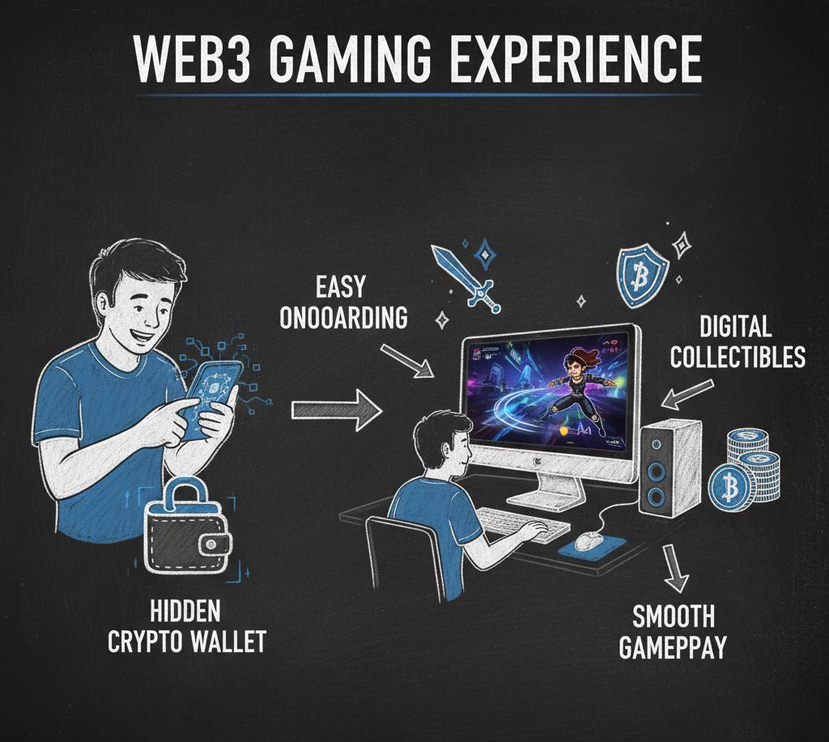
Looking ahead, Web3 gaming will depend on one main thing: whether it can be genuinely fun and easy to use. Players don’t care about decentralization if the game isn’t enjoyable. VANRY’s ecosystem seems aware of this. The focus on better developer tools, smoother onboarding, and sustainable token design shows that the team is thinking beyond quick launches.
Of course, no project is guaranteed to succeed. Competition in gaming is intense, and adoption takes time. Some ideas will work, others won’t. But what stands out here is direction. Vanar isn’t trying to be everything at once. It’s focusing on building infrastructure that games can actually rely on.
For me, VANRY feels less like a short-term bet and more like a long-term experiment in how Web3 gaming could mature. If the team keeps improving tools, attracting serious developers, and prioritizing user experience, this ecosystem has room to grow steadily.
In a market where many projects chase trends, that kind of focus is rare. And that’s why VANRY remains on my watchlist — not because of today’s price, but because of what it’s trying to build over time.