

When I look at Vanar today, I do not approach it as a blockchain project in the traditional sense. I think of it as a system designed to exist quietly inside familiar digital environments. That framing is intentional. It helps me focus on whether the infrastructure is shaped around how people already behave, rather than how builders wish they would behave. Vanar becomes more understandable when I see it as an attempt to support ordinary digital activity without constantly reminding users that they are interacting with a blockchain.
The team’s background in gaming, entertainment, and brand-led platforms shows up clearly in how the system is structured. These are industries where patience is low and expectations are high. Users do not tolerate confusing flows or unpredictable behavior. They do not read instructions. They click, they interact, and they leave if something feels off. Infrastructure built for these environments must work immediately and repeatedly. Vanar seems to start from that assumption rather than discovering it later.
What stands out to me is the emphasis on repeat usage instead of spectacle. Many systems are designed to look impressive in their first interaction but struggle to remain usable over time. Vanar’s architecture suggests a different priority. It appears optimized for consistency, where actions behave the same way every time, costs are predictable, and performance does not degrade under normal usage. This is not an exciting goal on the surface, but it is the kind of goal that supports long-term participation.
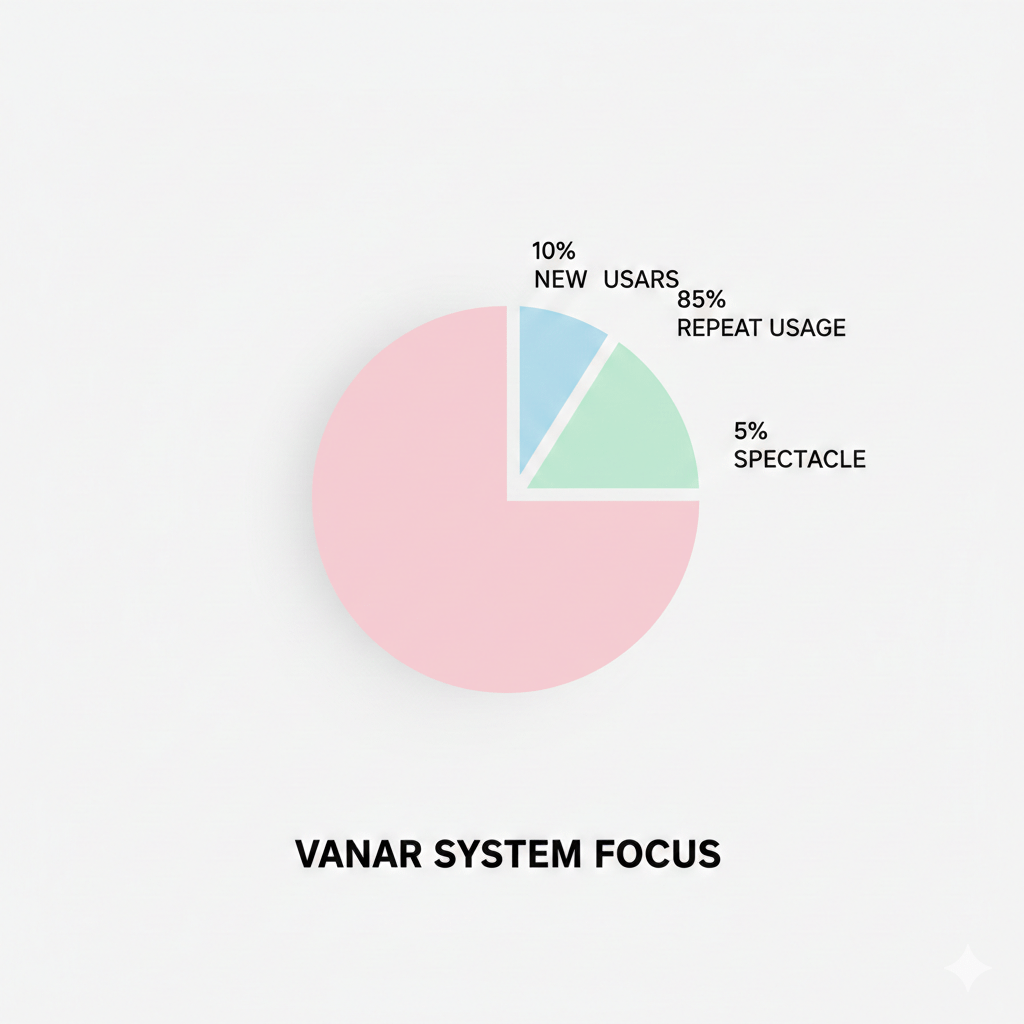 When I think about how real users engage with digital platforms, I am reminded that most people do not care how something works as long as it works. They care about speed, reliability, and clarity. Vanar’s approach reflects an understanding of that psychology. Instead of elevating technical detail as part of the experience, the system absorbs it. Complexity exists, but it is managed internally. The user interacts with outcomes, not mechanisms.
This choice to hide complexity is not accidental. It is a design philosophy shaped by scale. As platforms grow, every extra decision a user must make becomes friction. Every unfamiliar concept becomes a reason to disengage. Vanar’s infrastructure seems built to minimize these moments. Transactions, asset interactions, and application behavior are structured to feel closer to familiar digital services than to experimental systems. That alignment matters if the goal is to support everyday behavior rather than attract niche curiosity.
The presence of products like Virtua Metaverse and the VGN games network is meaningful in this context. I do not view them as promotional showcases. I see them as environments where assumptions are tested under real conditions. Gaming ecosystems are particularly unforgiving. Users notice latency. Developers notice instability. Brands notice unpredictability. These platforms expose the infrastructure to constant pressure, which is far more revealing than controlled demonstrations.
What interests me is not whether these applications are perfect, but whether they function as stress tests. They reveal where onboarding breaks down, where performance is strained, and where user expectations are not met. Infrastructure that survives this kind of exposure tends to evolve quickly or fail honestly. Either outcome is more valuable than theoretical success.
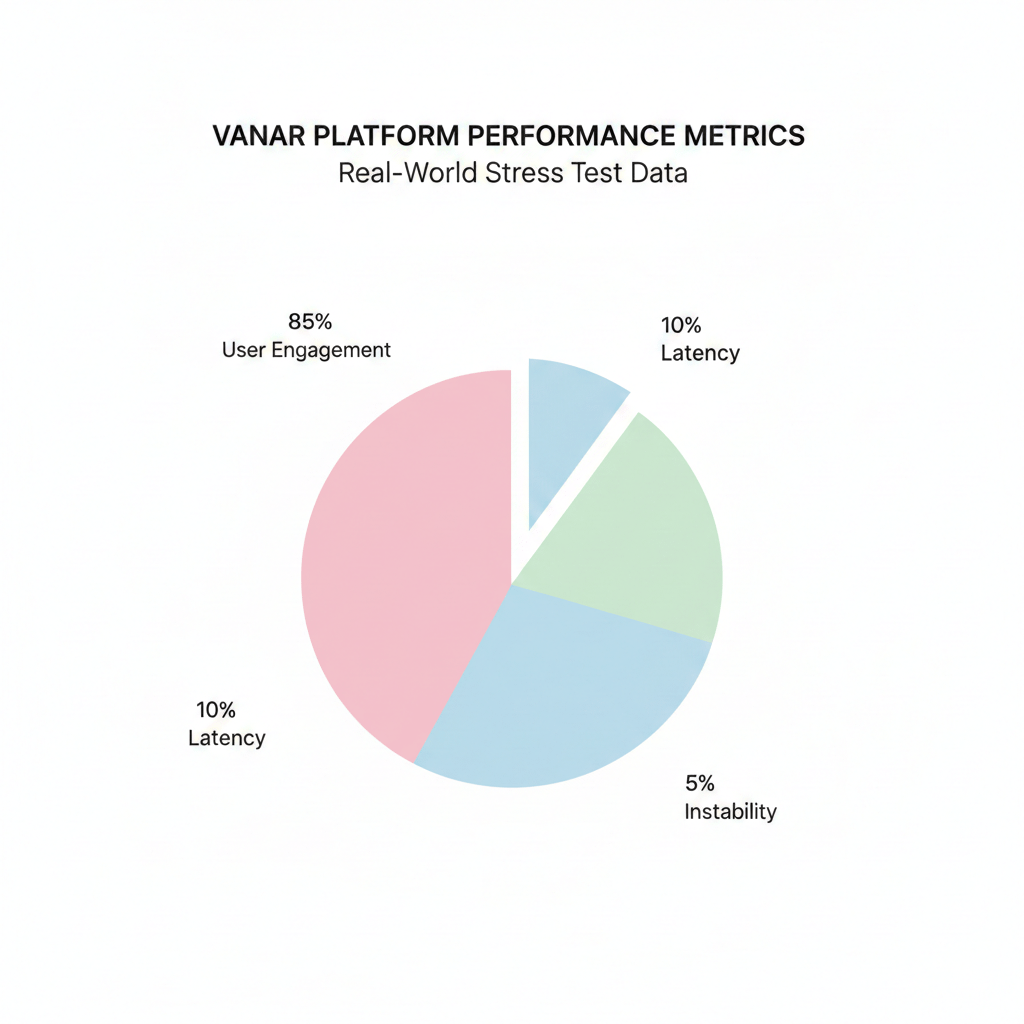 Vanar’s decision to operate across multiple mainstream verticals introduces additional complexity. Gaming, digital collectibles, branded environments, and AI-driven experiences all impose different demands. Supporting them within a single ecosystem requires trade-offs. No system can optimize for everything simultaneously. What I observe is a willingness to make pragmatic decisions rather than chase ideological purity. That often means prioritizing stability and partner requirements over abstract decentralization ideals.
This pragmatism becomes more visible when considering accountability. Working with brands and consumer-facing platforms introduces responsibility. There are reputations at stake, regulatory expectations, and operational standards that cannot be ignored. Vanar’s architecture appears designed to function within these constraints rather than attempting to bypass them. That may limit certain freedoms, but it also increases the likelihood that the system can operate in environments where failure has tangible consequences.
From an infrastructure perspective, I find this restraint encouraging. Systems that aim to support real-world usage must accept that not all constraints are negotiable. Compliance, transparency, and control are part of how mainstream digital systems function. Vanar does not appear to treat these as enemies of innovation. Instead, they are treated as conditions to design around.
The VANRY token fits into this broader picture as a functional component rather than a focal point. Its role appears aligned with usage and participation inside the ecosystem. I pay attention to how tokens behave when they are meant to support infrastructure. The best ones are rarely noticed by end users. They exist to coordinate activity, align incentives, and facilitate access without drawing attention to themselves. That is a difficult role, because it requires discipline in design and restraint in messaging.
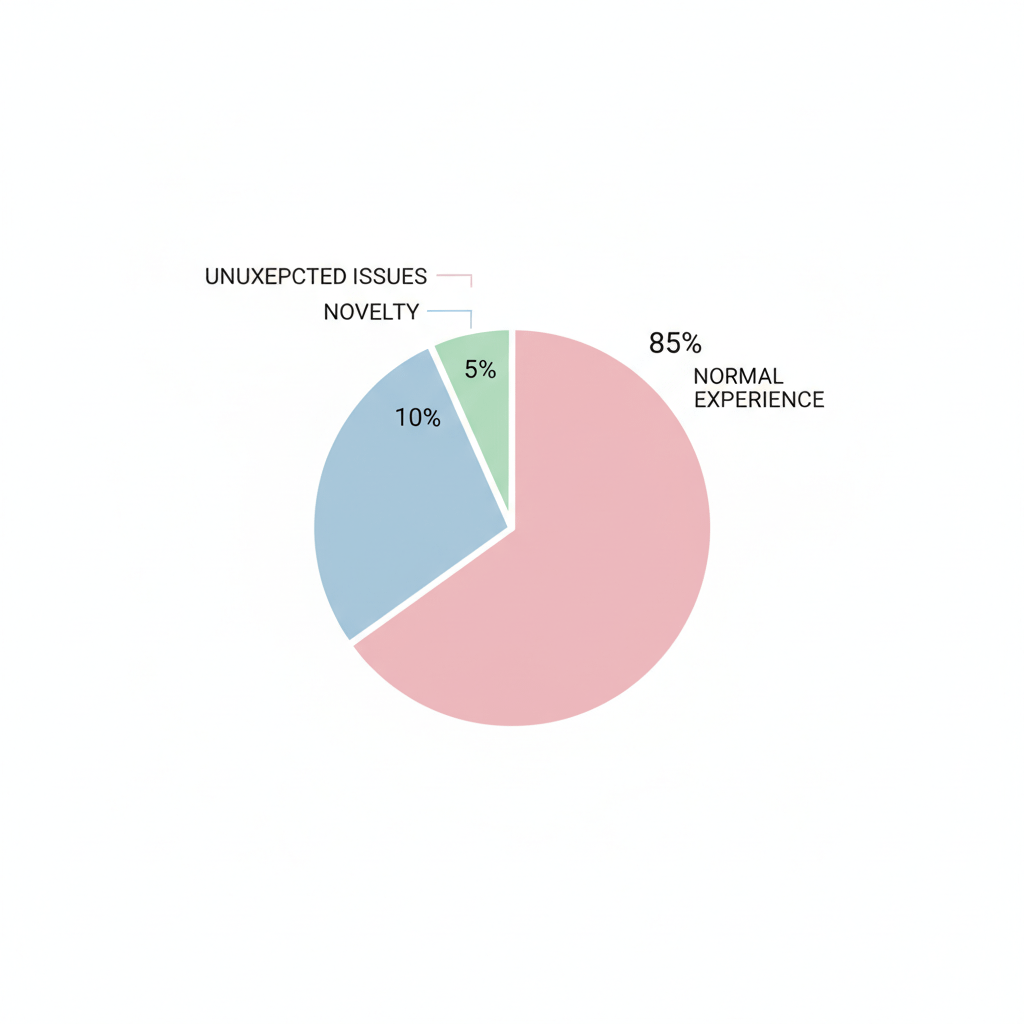 When tokens are positioned this way, their value is tied to whether the system they support remains usable and relevant. They succeed when activity flows naturally through them, not when they become objects of constant attention. Vanar’s approach suggests an understanding of this dynamic. The token is part of the machinery, not the headline.
What also stands out to me is the absence of theatrical ambition. The project does not seem obsessed with proving superiority or redefining the space. Instead, it focuses on execution. That mindset often comes from experience. Teams that have worked with real users tend to value predictability over promises. They know that systems are judged not by what they claim to enable, but by how they behave under pressure.
I think about how everyday users encounter infrastructure. They rarely notice it unless something goes wrong. When it works well, it fades into the background. That invisibility is not a failure; it is a success. Vanar’s design choices suggest an aspiration toward that kind of invisibility. The goal appears to be enabling digital experiences that feel normal rather than novel.
There is still uncertainty here, and I think it is important to acknowledge that. Integrating multiple verticals, maintaining performance, and supporting diverse partners is challenging. Real-world usage surfaces problems that no roadmap can predict. What matters is whether the system can adapt without breaking its core assumptions. Vanar’s exposure through live products gives it opportunities to learn, but it also removes the safety net of abstraction.
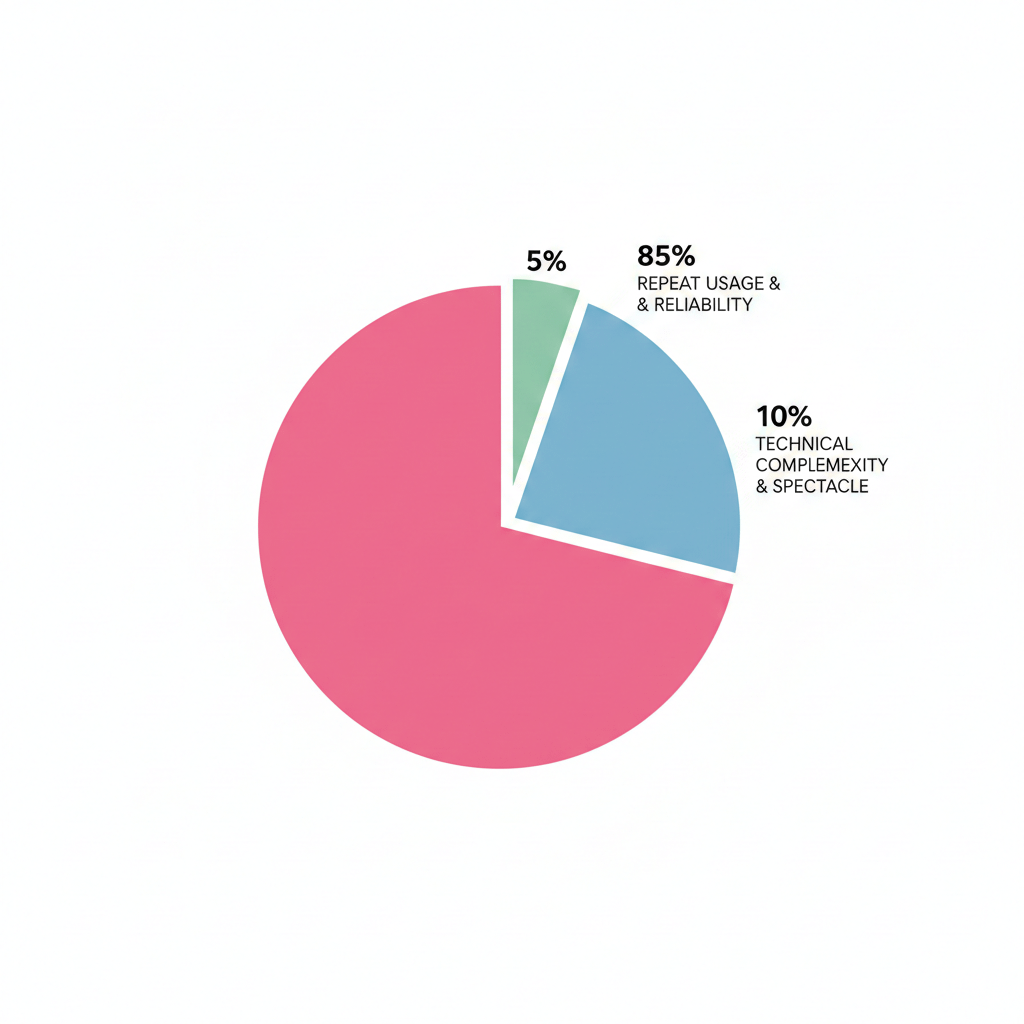 From my perspective, this willingness to be tested publicly is one of the most credible signals a project can offer. It suggests confidence not in perfection, but in adaptability. Infrastructure that evolves through real usage tends to develop resilience that purely theoretical systems lack.
As I zoom out, I see Vanar as part of a broader shift toward consumer-focused blockchain infrastructure that prioritizes function over form. Systems like this are not designed to impress builders; they are designed to support users who never think about blockchains at all. That is a harder problem to solve, because it requires understanding human behavior more than technical possibility.
If Vanar succeeds, it will not be because it introduced a dramatic new concept. It will be because it quietly enabled familiar experiences to operate on decentralized rails without friction. That kind of success is easy to overlook, but it is also the kind that lasts.
In the end, my interpretation of Vanar is shaped less by what it promises and more by how it behaves. It feels like infrastructure built by people who have seen systems fail under real conditions and adjusted accordingly. Whether it reaches its full potential remains uncertain, but the approach itself feels grounded. In an environment where attention is often mistaken for progress, there is something quietly compelling about a system that prioritizes reliability over recognition.
