

“Built for now, designed for the future” is not a slogan, it’s a critique of the industry
When I started reading about Fogo, one phrase stayed in my mind: “Built for now, designed for the future.”
At first, it sounded like a typical tagline. But the more I explored their material, the more I realized it was actually a subtle criticism of how the blockchain industry measures success.
Because for years, we’ve been sold one metric as proof of superiority:
TPS — Transactions Per Second.
And I began asking myself a simple question:
If TPS is so important, why does trading and payments still feel inefficient on high-TPS chains?
The illusion of TPS as a quality metric
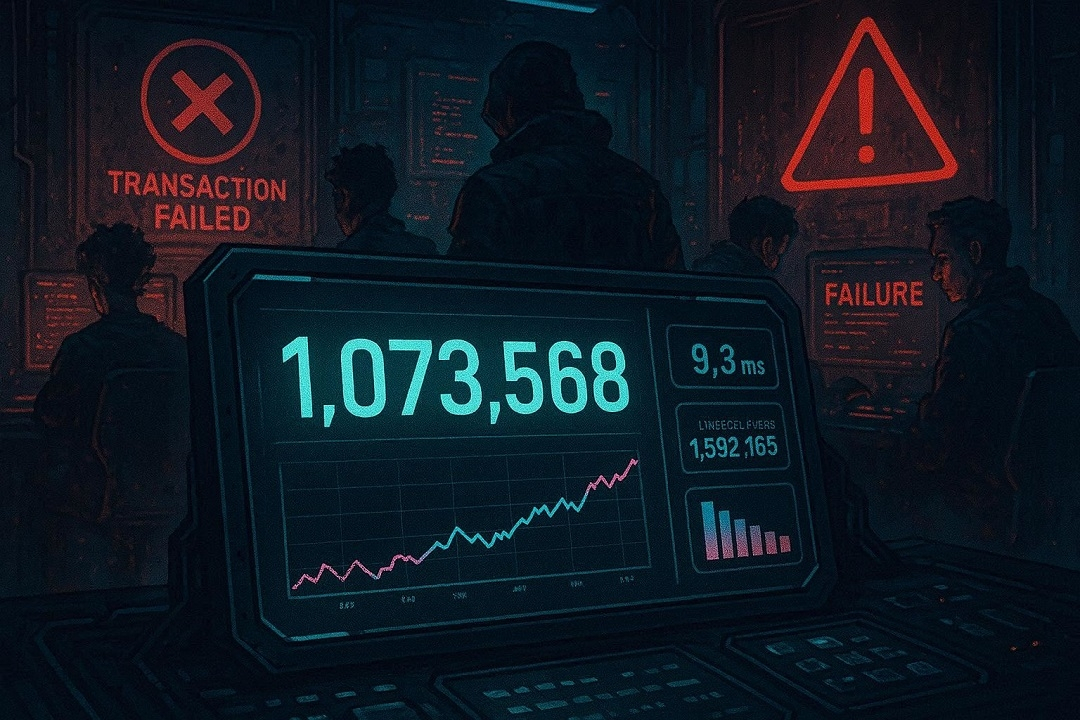
TPS measures how many transactions a network can process under ideal conditions.
It does not measure:
Fair transaction ordering.
Protection from MEV and front-running.
Predictable execution for traders.
User experience under real demand.
Network behavior when activity spikes.
And that’s when it clicked for me.
TPS is a laboratory metric.
Performance is a real-world metric.
Fogo doesn’t advertise how many transactions it could process. It focuses on how transactions are executed in practice.
Performance is about execution, not throughput
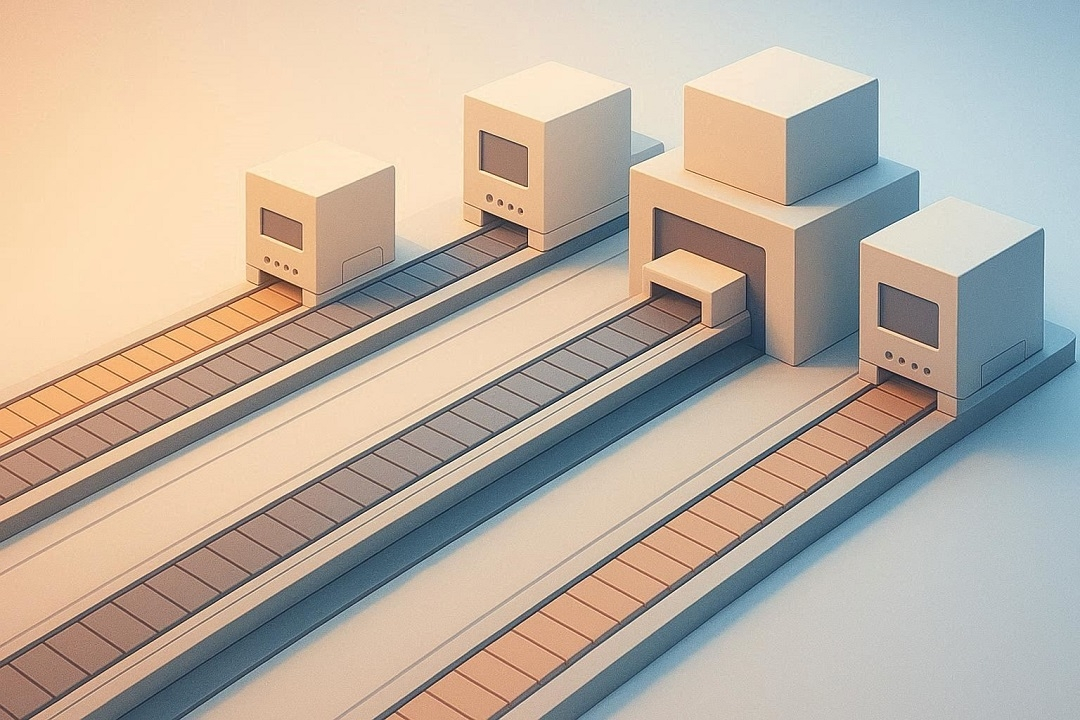
Reading deeper, I noticed that Fogo’s architecture cares about:
Deterministic execution.
Coordinated ordering.
Reducing competitive transaction racing.
Making trading outcomes predictable.
This is very different from saying: “We can process 500,000 TPS.”
Because if transactions are still fighting each other in a mempool, higher TPS just means faster chaos.
That idea completely changed how I interpret blockchain performance.
The problem TPS never solved
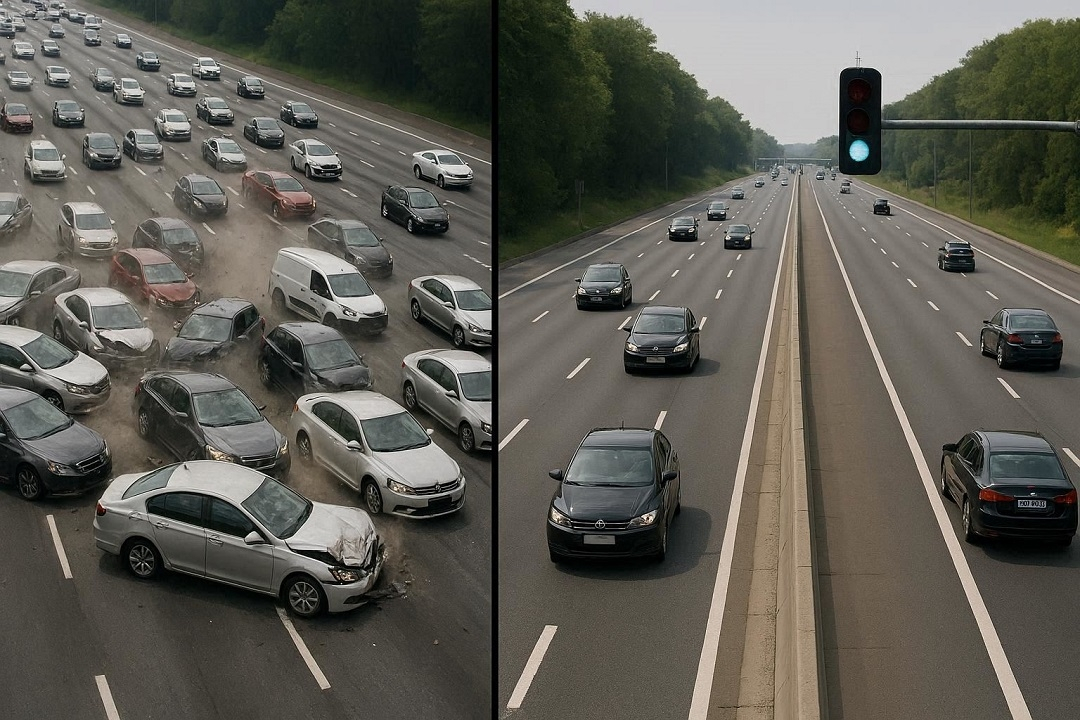
Even on high-TPS networks, we still see:
Front-running.
Gas priority wars.
Slippage and unpredictable pricing.
Users overpaying to secure execution.
So what did TPS actually fix?
It increased capacity.
It did not improve transaction fairness.
Fogo’s approach made me realize that performance should be measured by how well the system behaves under real trading conditions, not how many transactions it can theoretically push.
“Built for now” finally made sense
“Built for now” means designing for the problems users and traders face today:
MEV.
Wallet friction.
Gas unpredictability.
Transaction ordering chaos.
“Designed for the future” means creating a system where scaling doesn’t amplify these problems.
That’s a very different philosophy from chasing TPS records.
My personal shift in perspective
Before understanding Fogo, I used to look at TPS as a sign of technological advancement.
Now, I see it as an incomplete story.
What matters is not how many transactions fit in a second, but how fairly, predictably, and efficiently those transactions are handled.
And that is what Fogo calls performance.
Final reflection
Fogo doesn’t ignore TPS because it can’t compete.
It ignores TPS because it believes the industry has been measuring the wrong thing.
Performance is not about speed in isolation.
It’s about how the system behaves when real users trade, pay, and interact.
And for the first time, I felt like I was reading about a blockchain designed around real usage instead of benchmark numbers.