
Since the emergence of Bitcoin in 2009, blockchain has become one of the most discussed technological concepts in the world. Yet, despite its growing popularity, it remains poorly understood. Many associate it solely with cryptocurrencies, whereas in reality, blockchain is a much broader technology, capable of transforming numerous sectors beyond finance.
In this article, we will explore in depth what blockchain is, how it works, its fundamental characteristics, its different types, its consensus mechanisms, its practical applications, its advantages, its limitations, and its future prospects.
1. What is blockchain?
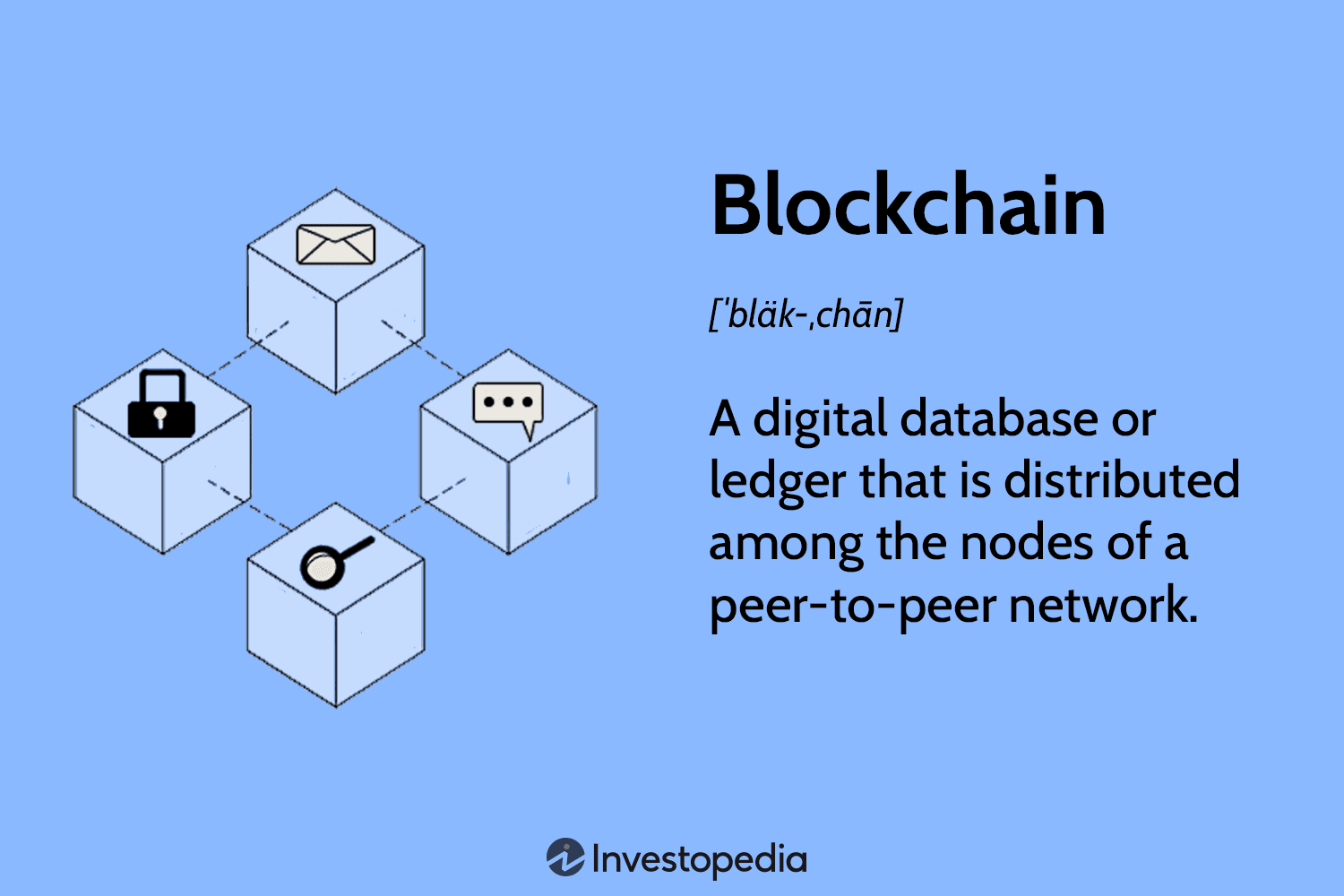
The word blockchain literally means chain of blocks. It is a shared digital ledger, distributed across a network of computers, that records information securely, transparently, and immutably.
In concrete terms, a blockchain is:
A ledger that stores data
Distributed (replicated across many computers)
Secured by cryptography
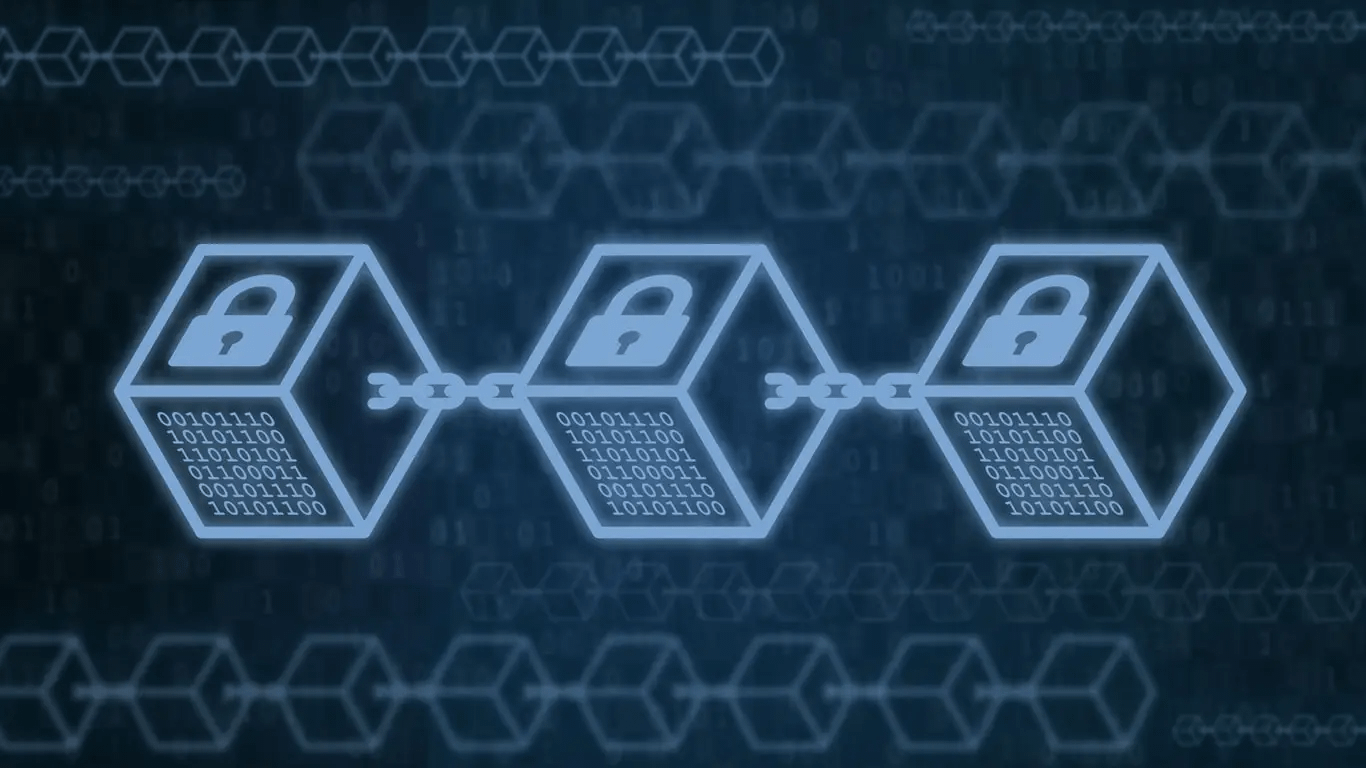
Organized into interconnected blocks
Each block contains:
A set of transactions or data
A timestamp
A cryptographic reference to the previous block (via a hash)
This structure creates a chronological and tamper-proof chain.
2. How does the blockchain work?
a) The principle of the distributed ledger
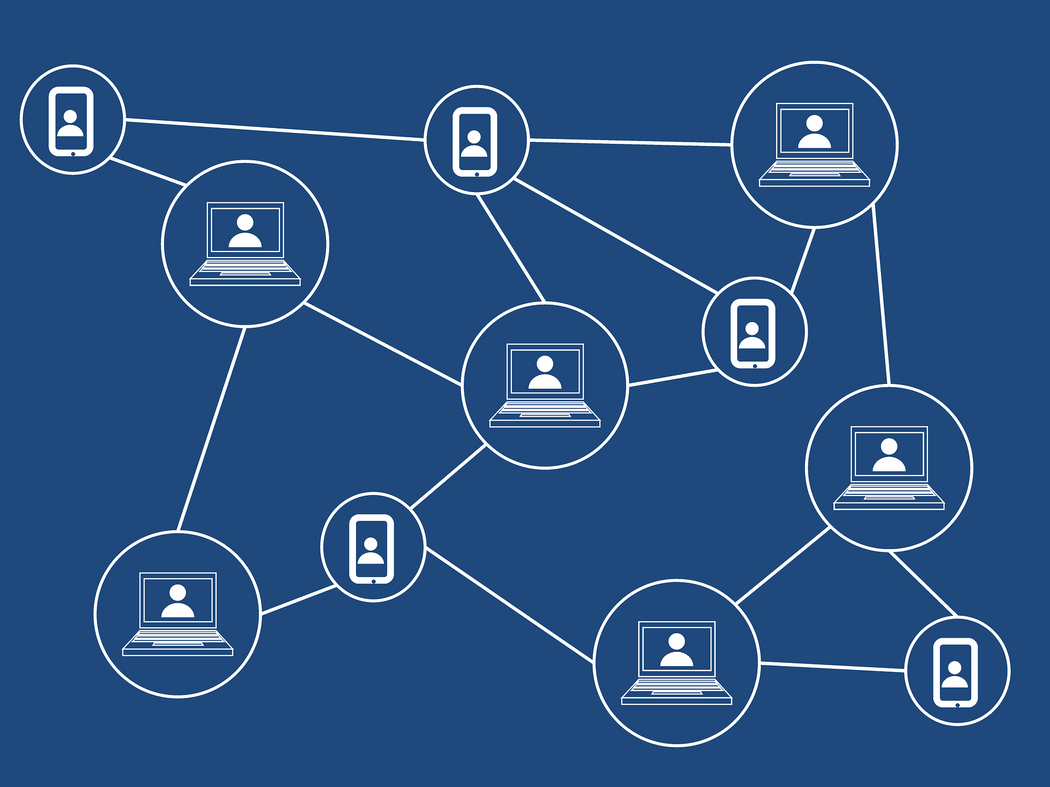
Unlike traditional systems where a database is centralized (for example, in a bank), the blockchain relies on a distributed network.
This means that:
There is no single central server
Each participant (called a node) has a copy of the ledger
All nodes must agree on the state of the ledger
This architecture eliminates the need for a trusted intermediary.
b) Blocks and the hash
Each block contains a set of validated transactions. Once filled, the block is added to the chain.
The link between blocks is based on a cryptographic function called a hash.
A hash is:
A unique digital fingerprint
Generated from the data in the block
Impossible to reverse
Extremely sensitive to changes
If data in a block is modified, its hash changes. This automatically invalidates all subsequent blocks. This property guarantees the integrity of the chain.
c) Transaction Validation
For a block to be added, transactions must be validated by the network through a mechanism called consensus.
Consensus allows actors who do not necessarily trust each other to agree on a single version of the truth.
3. Consensus Mechanisms
Several mechanisms exist for securing a blockchain. The best known are:
a) Proof of Work (PoW)
Used by Bitcoin.
Principle:
Participants called "miners" solve complex mathematical problems.
The first to find the solution validates the block.
They receive a reward.
Advantages:
Highly secure
Robust history
Disadvantages:
High energy consumption
Slow process
b) Proof of Stake (PoS)
Used notably by Ethereum since 2022.
Principle:
Validators stake a certain amount of cryptocurrency.
The higher the stake, the greater the chances of validating a block.
Advantages:
Less energy-intensive
Faster
Disadvantages:
Risk of wealth concentration
c) Other mechanisms
Delegated Proof of Stake (DPoS)
Proof of Authority (PoA)
Proof of History (PoH)
Byzantine Fault Tolerance (BFT)
Each model presents trade-offs between security, speed, and decentralization.
4. Fundamental Characteristics of Blockchain
a. Decentralization
No single entity controls the system.
b. Transparency
Transactions are publicly visible (in public blockchains).
c. Immutability
Recorded data cannot be retroactively altered.
d. Security
Protection is ensured by cryptography and consensus mechanisms.
e. Traceability
Each transaction can be traced back to its origin.
5. Different Types of Blockchains
a) Public Blockchain
Examples: Bitcoin, Ethereum
Open to everyone
Free participation
Complete transparency
b) Private Blockchain
Controlled by a company or organization
Restricted access
Used for internal purposes
c) Consortium Blockchain
Controlled by multiple organizations
Hybrid model
6. Smart Contracts: Automation on the Blockchain
Smart contracts are autonomous programs that execute automatically when certain conditions are met.
Example:
"If payment is received, then transfer ownership."
They enable:
Automation
Reduced intermediaries
Contractual reliability
7. Practical Applications of Blockchain
a. Cryptocurrencies
Bitcoin, Ethereum, stablecoins.
b. Decentralized Finance (DeFi)
Bankless lending, exchanges, and derivatives.
c. NFTs
Digital Property Certificates.
d. Logistics and Supply Chain
Tracking of goods.
e. Healthcare
Secure management of medical records.
f. Digital Identity
Self-sovereign identity.
g. Electronic Voting
Increased transparency and security.
8. Advantages of Blockchain
Elimination of intermediaries
Cost reduction
Censorship resistance
Increased security
Automation
Mathematical reliability
9. Limitations and Challenges
a. Scalability
Some blockchains are slow.
b. Energy consumption (PoW)
c. Regulation
Legal frameworks are still evolving.
d. Technical complexity
e. Security risks
Human error, platform hacking.
10. Blockchain and the Future
Blockchain is still a developing technology.
Current Trends:
Layer 2 Solutions
Interoperability between blockchains
Tokenization of real assets
Integration with artificial intelligence
Conclusion
Blockchain is not simply the technology behind cryptocurrencies. It is a digital infrastructure that is redefining how trust is created and maintained in a digital environment.
It enables:
Transactions without intermediaries
Increased transparency
Security based on mathematics
Despite its challenges, blockchain continues to evolve and could permanently transform finance, governance, logistics, and many other sectors.
Understanding blockchain today means better understanding one of the most transformative innovations of the 21st century.