
Most chains talk about speed like it’s the only metric that matters. We hit 50,000 TPS Sub second finality!
Faster than Solana!
The headlines scream throughput numbers, and everyone chases the next benchmark to prove they’re the quickest kid on the block.
But here’s the thing:
raw speed without reliability is just noise. In real-world finance, trading, or any high stakes application, what good is a lightning fast transaction if the network flakes out under load, experiences random delays, or lets latency spike unpredictably?
True performance isn’t about peak bursts it’s about consistent, predictable execution you can build a business on.
That’s where Fogo stands apart. This SVM based Layer-1 blockchain isn’t just optimizing for headlines; it’s engineered for the long haul, prioritizing rock solid reliability alongside blistering speed.
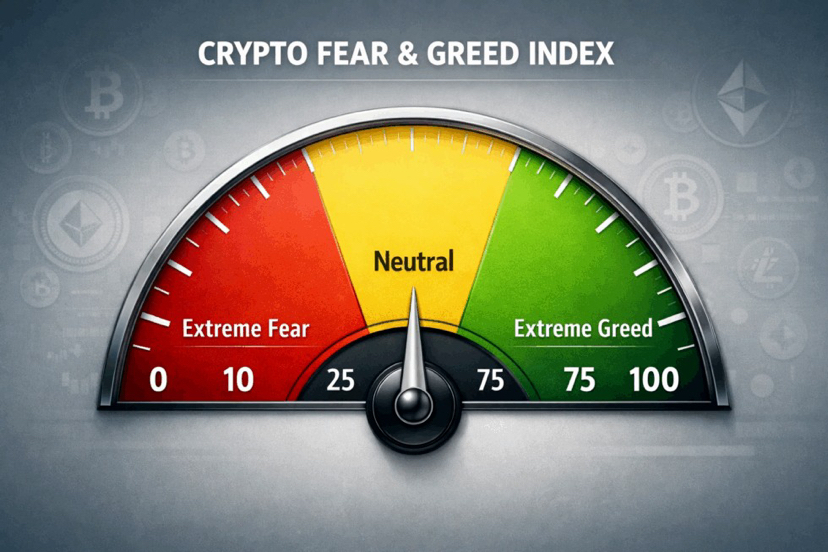
Think of it like this classic speedometer metaphor flipped for blockchain: flashy high speeds grab attention, but without a stable engine you crash when it counts. Fogo focuses on the full dashboard consistent output over sporadic peaks.
Fogo achieves sub-40ms block times and around 1.3-second confirmations by using a clever multi local consensus model. Instead of forcing every validator worldwide to agree instantly Fogo groups validators into geographic zones. Local consensus happens fast in each region, then syncs globally only when needed. This slashes propagation delays while keeping the network decentralized and resilient.
The result? Predictable performance even during volatile market hours or heavy trading loads no sudden slowdowns that kill arbitrage opportunities or frustrate users. It’s the kind of determinism that institutional players and high frequency DeFi demand.
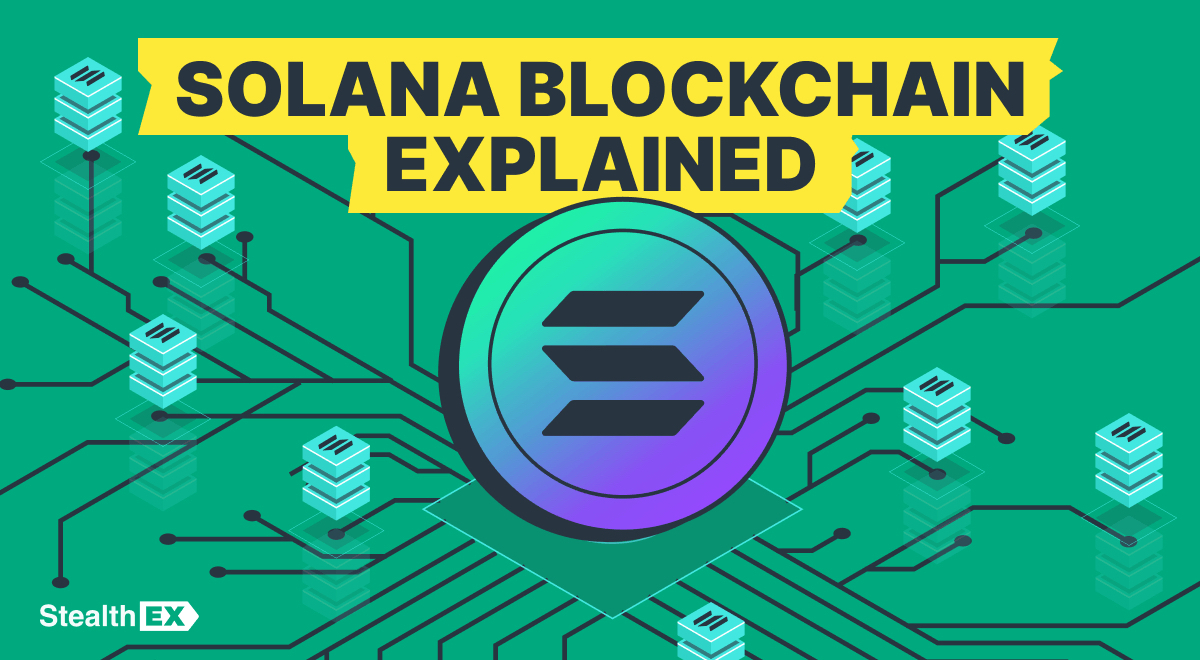
This diagram of a high-performance blockchain network (inspired by Solana-style setups but evolved) shows how layered architecture with geographic optimization can deliver both throughput and stability exactly what Fogo builds on with its Firedancer-optimized client.
Fogo runs the Firedancer validator client in its purest, most streamlined form, avoiding the fragmentation that slows other networks. By standardizing on one high-performance client and curating validator performance, the chain minimizes variance. Add in gas-free sessions for certain operations, fair execution to curb MEV issues, and full SVM compatibility and you get infrastructure that feels more like modern centralized trading systems without the custody risks.
In a Web3 world full of chains that shine in testnets but stumble in production, Fogo’s approach is refreshingly pragmatic. It’s not trying to be everything to everyone; it’s laser-focused on real time finance and on-chain markets where reliability translates directly to dollars saved.
The native $FOGO token powers this ecosystem not as pure speculation, but as the economic glue for staking, governance, and incentives that reward consistent validator uptime and performance. As adoption grows in DeFi protocols, perpetuals, spot trading, and beyond, that utility should compound.
The broader lesson for Web3?
Speed sells, but reliability endures. Chains that chase only TPS often burn bright and fade when real users stress test them. Fogo is betting on sustainable performance the kind that attracts serious builders, liquidity providers, and institutions looking for CEX-level speed with blockchain’s trust and transparency.
In the race to an always on, decentralized economy, the winners won’t be the fastest for a moment. They’ll be the ones that stay fast, stay up, and stay predictable day after day, year after year.
