
Look, I’ve been around long enough to notice a pattern. Every few years, crypto gets obsessed with some shiny new thing. New narratives. New buzzwords. Everyone nodding along like it all makes perfect sense. And then, quietly, the same old problems keep showing up. Apps feel slow. Fees spike at the worst possible time. Users bounce. Devs get tired.
That’s the backdrop for Fogo. And yeah, it’s another Layer 1. I know. Eye roll. But stick with me, because this one’s making a choice that actually lines up with reality instead of vibes.
The thing is, performance matters way more than people like to admit. We pretend it doesn’t. We dress it up in words like “decentralization trade-offs” or “long-term vision.” But when your app lags or costs too much to use, nobody cares about your philosophy. They leave. I’ve seen it happen. More than once.
Early blockchains weren’t built for normal people. They were built to prove a point. Bitcoin proved you could have digital money without a central boss. Ethereum proved you could program money and logic on-chain. Huge wins. No argument there. But speed? User experience? Not the focus. At all.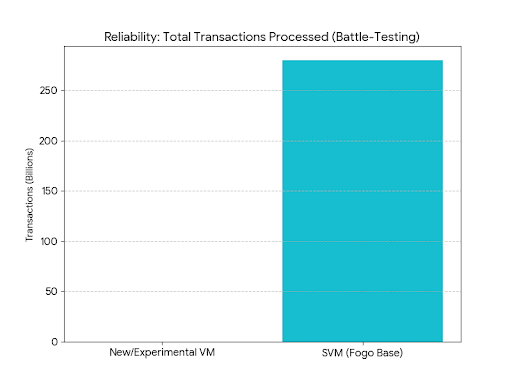
Back then, that was fine. Nobody expected millions of users. Nobody expected games, trading, payments, and social apps to all run on-chain. Now? Totally different story. We’re trying to cram real-world usage onto systems that were never designed for it. And yeah, that causes real problems.
Ethereum’s execution model, the EVM, does things one step at a time. Nice and orderly. Easy to reason about. Also painfully slow once things get busy. That’s why fees explode and why scaling solutions keep piling up. Layer 2s. Rollups. Bridges. More bridges. It works, sort of, but it’s messy. And users feel that mess.
Then Solana came along and said, “What if we stop pretending blockchains can’t be fast?” Instead of processing transactions in a long line, Solana’s Virtual Machine runs them in parallel. At the same time. Like modern computers do. Radical idea, apparently.
And it worked. Not perfectly. There were outages. Rough patches. Anyone saying otherwise is lying. But the core idea held up. Solana pushed insane transaction volumes. Fees stayed low. Apps felt usable. Actually usable. That matters more than people admit.
This is where Fogo comes in. Instead of reinventing the wheel and hoping it doesn’t fall off at high speed, Fogo builds directly on the Solana Virtual Machine. Same execution model. Same parallel processing logic. Same core assumptions about performance.
Honestly? That’s the right move.
I’ve watched too many chains launch with brand-new virtual machines, big promises, and zero battle testing. Everything looks great in a whitepaper. Everything breaks under real load. Then devs pay the price. Users too.
Fogo skips that phase. It starts with an execution environment that’s already handled billions of transactions in the wild. Not simulations. Not testnets nobody uses. Real apps. Real money. Real chaos.
And from a developer’s point of view, this is huge. Learning a new chain already sucks. New tools. New quirks. New ways to shoot yourself in the foot. The SVM already has a growing pool of devs who know how it behaves, how to optimize for it, and where the sharp edges are. Fogo benefits from all of that on day one.
Performance isn’t just a nice bonus, either. It unlocks things that straight-up don’t work on slower chains. On-chain order books. Real-time games. High-frequency interactions. Payment flows that don’t feel broken. These aren’t niche ideas anymore. They’re table stakes if crypto wants to be taken seriously outside its own bubble.
People love to say, “Users don’t care about blockchains.” That’s true. But they care deeply about whether something works. Fast confirmations. Stable fees. No weird delays. If you can’t deliver that, you’re invisible.
Fogo’s bet is basically this: stop treating execution as an experiment and start treating it like infrastructure. Like something that needs to hold up under pressure. All the time.
There’s also a bigger trend here that I think people aren’t talking about enough. Execution environments are becoming shared standards. Just like operating systems. Most startups don’t build their own OS. They build on Linux or something similar and differentiate elsewhere. Blockchains are heading the same way.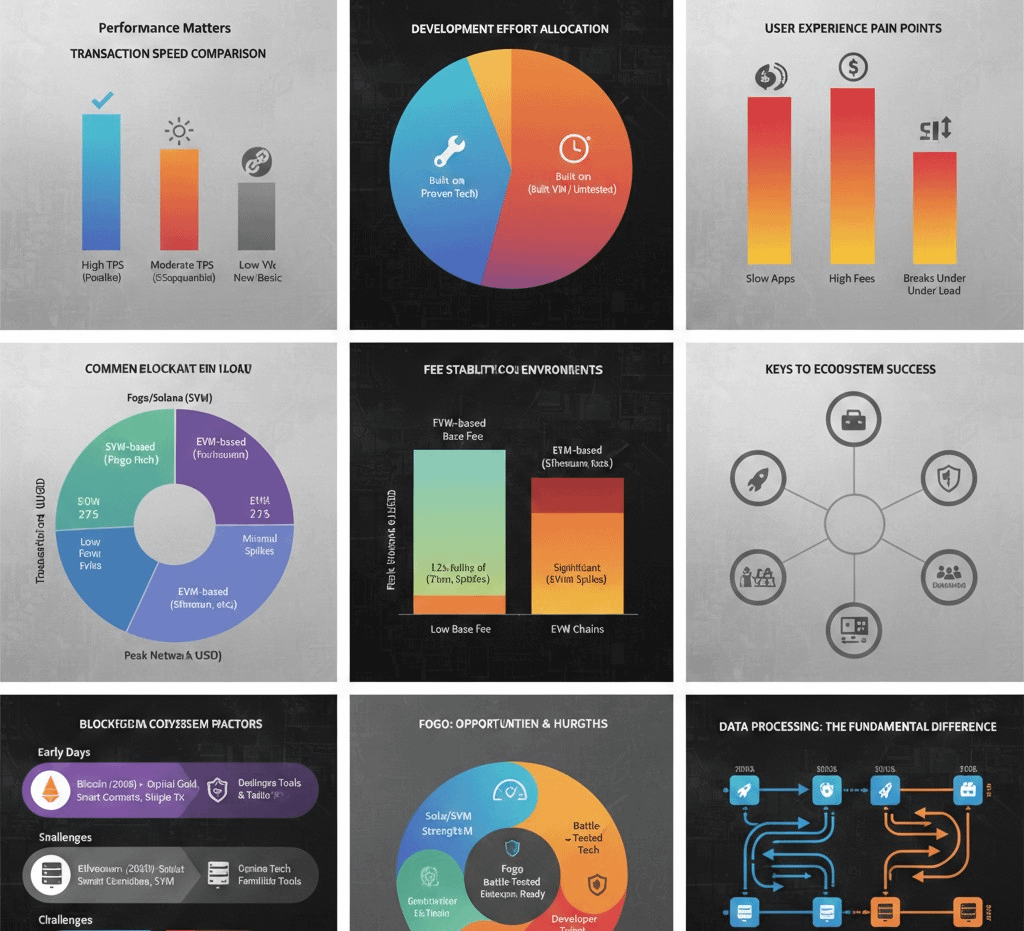
Instead of a hundred half-baked virtual machines, we’ll probably end up with a few solid ones that everyone builds around. The EVM is one. The SVM is clearly another. Fogo is leaning into that reality instead of fighting it.
Now, let’s be real. This isn’t risk-free.
The SVM is powerful, but it’s not simple. Parallel execution means developers have to be explicit about what state their transactions touch. Debugging can get weird. Validator hardware requirements are higher than on slower chains. That raises real questions about decentralization. Anyone pretending those concerns don’t exist isn’t being honest.
And then there’s the elephant in the room: Ethereum. It still owns the mindshare. The capital. The institutions. You don’t just replace that by being faster. Ecosystems aren’t spreadsheets. They’re social systems. Trust matters. History matters.
So Fogo doesn’t just need speed. It needs uptime. Governance that doesn’t implode. Incentives that actually work long-term. That’s the hard part. That’s where most chains stumble.
Still, I think this direction makes sense. The industry is growing up. The novelty phase is fading. People are tired of excuses. They want chains that work under real conditions, not ideal ones.
If Fogo pulls this off, it won’t be because it invented something flashy. It’ll be because it made a practical choice and executed on it. Built on something proven. Focused on performance without pretending trade-offs don’t exist.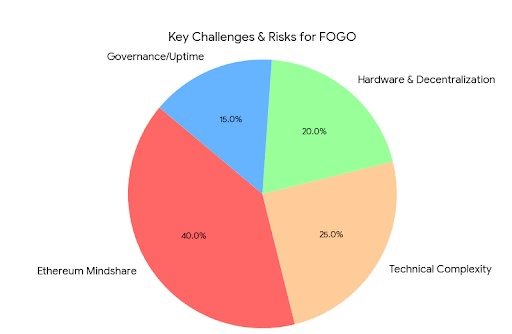
And honestly? That’s refreshing.
Crypto doesn’t need more theories. It needs systems that don’t fall apart when people actually show up.
