
 In the blockchain industry, most projects focus on speed, scalability, or lower fees. While these elements are important, they only solve part of the problem. The real challenge lies in how data is handled on-chain — how it is stored, interpreted, and transformed into actionable logic for payments and tokenized assets. This is where Vanar Chain is quietly building a different approach.
Traditional blockchains treat data as static information. Transactions move from one address to another, balances update, and smart contracts execute predefined rules. But as digital finance evolves, this model starts to feel limited. Payments today are no longer just transfers; they are conditional, contextual, and often linked to real-world events or behaviors. Tokenized assets also require more than ownership records — they need rules, memory, and continuity.
Vanar’s architecture focuses on turning raw on-chain data into usable logic. Instead of data simply existing on the blockchain, it becomes part of an intelligent system that can support dynamic payments and programmable asset behavior. This shift is subtle, but it has major implications for how decentralized systems can function in real economic environments.
One of the biggest limitations in current payment systems is the lack of adaptability. A transaction either succeeds or fails, with little room for contextual decision-making. Vanar addresses this by enabling data layers that can remember past interactions, conditions, and states. This allows payment logic to evolve based on history rather than executing blindly every time. In practical terms, this opens the door to smarter escrow mechanisms, milestone-based payments, and adaptive settlement systems without relying on centralized intermediaries.
Tokenized assets benefit even more from this approach. Most tokenized assets today are static representations — a token equals ownership, and that’s where it ends. Vanar expands this idea by embedding logic directly into how assets behave over time. Ownership can carry conditions, usage rules, or performance-based triggers. This makes tokenized assets more aligned with real-world financial instruments, where value is often linked to compliance, performance, or usage rather than simple possession.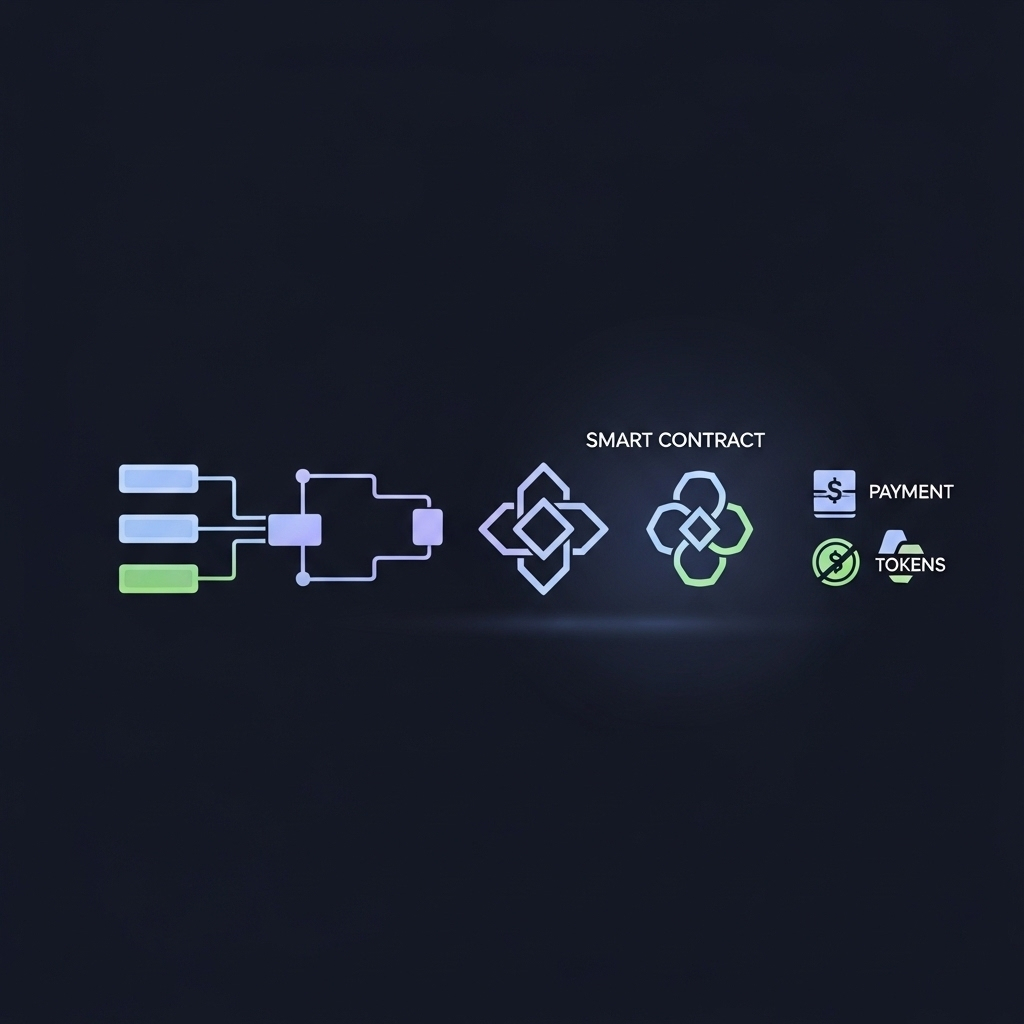
Another important aspect of Vanar’s design is efficiency. By structuring data in a way that supports logic execution without unnecessary complexity, the network avoids the common trade-off between flexibility and cost. This matters for adoption. Developers and businesses are unlikely to build payment systems or asset platforms that are expensive to run or difficult to maintain. Vanar’s approach reduces friction by making advanced logic accessible without overwhelming developers with excessive overhead.
In a market that has moved past speculative hype, credibility comes from usability. Projects are no longer judged by promises but by whether their infrastructure can support real applications. Vanar’s focus on on-chain logic positions it closer to real financial use cases than many networks that still prioritize surface-level metrics.
What also stands out is the way Vanar’s ecosystem is forming organically. Instead of forcing narratives, the project’s direction is being validated through discussions among builders, researchers, and independent observers. This kind of recognition is slow, but it is durable. It reflects a system that works, not one that needs constant explanation.
As blockchain adoption continues to mature, the distinction between simple transaction networks and intelligent financial infrastructure will become clearer. Payments will demand flexibility. Tokenized assets will demand rules. Data will need to do more than exist — it will need to act.
Vanar is positioning itself at this intersection, where data becomes logic and logic becomes value. Not loudly, not aggressively, but with a structure that speaks for itself over time.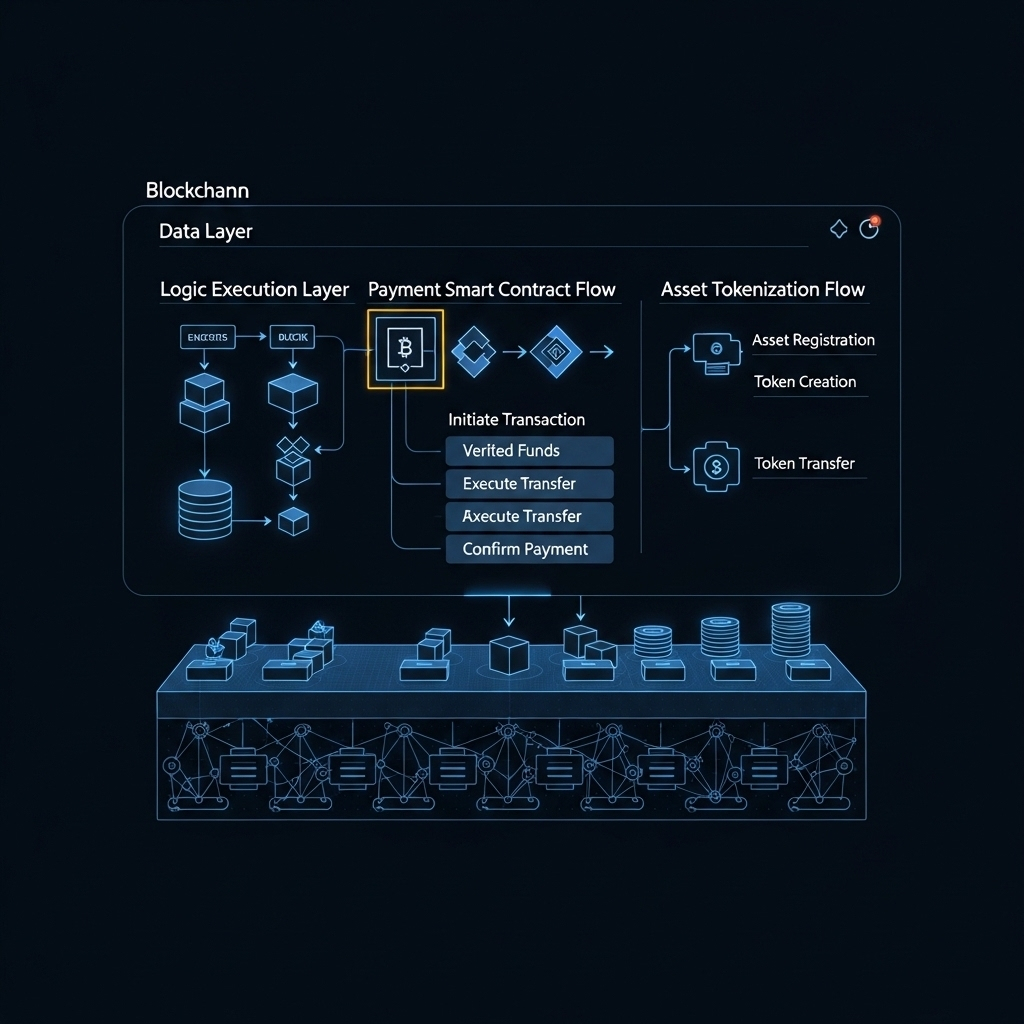
In the long run, the most impactful blockchain systems won’t be the ones that shout the loudest. They will be the ones that quietly become necessary.