

Something quiet but powerful is happening in the world of prediction markets.
For years, they lived in uncertainty. Some called them betting platforms. Others called them experimental finance. Many questioned whether they would survive regulatory pressure in the United States.
Now the conversation has changed.

When prediction markets receive oversight from the , they move from the shadows into structured finance. And that shift is bigger than most people realize.
From Speculation to Structured Forecasting
At their core, prediction markets turn beliefs into prices.

Instead of arguing about whether inflation will rise, traders buy contracts tied to that outcome. Instead of debating election results endlessly, markets assign probabilities in real time.
The price becomes the signal.
This mechanism often produces faster and more dynamic insights than polls, surveys, or analyst forecasts. It reflects collective conviction backed by money, not just opinion.
But without regulatory clarity, these platforms faced constant risk. Shutdowns. Restrictions. Legal grey zones.
CFTC backing changes that narrative.
Why Regulation Doesn’t Kill Innovation Here
There is a common fear in finance: regulation slows everything down.
In some cases, yes. But in the case of prediction markets, oversight can actually unlock growth.
When a platform operates under CFTC supervision:
• Contracts are structured within legal frameworks
• Consumer protections are defined
• Market rules are standardized
• Institutional participation becomes possible
This is not about limiting markets. It is about stabilizing them.
And stability is what attracts capital.
The Institutional Door Opens
Institutions do not operate in grey zones. Hedge funds, proprietary trading firms, and fintech platforms require legal certainty before deploying serious capital.
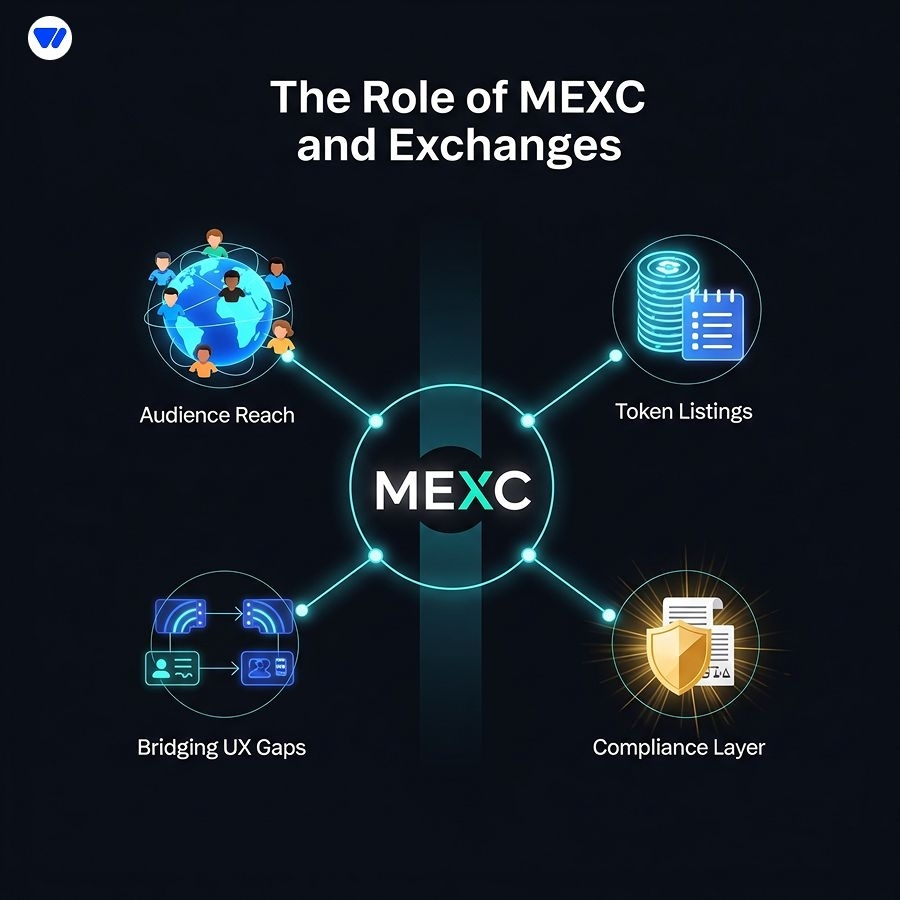
CFTC backing provides that certainty.
With oversight in place, event contracts can be treated more like regulated derivatives than informal wagers. That distinction matters. It transforms perception.
Suddenly prediction markets are not “internet betting platforms.”
They become structured information markets.
Liquidity increases. Market makers step in. Spreads tighten. Confidence grows.
Beyond Politics
Most people immediately think about elections when they hear prediction markets. But the potential is much broader.

Event contracts can cover:
• Interest rate decisions
• Inflation ranges
• Commodity price thresholds
• Policy outcomes
• Corporate milestones
• Technological breakthroughs
In a world driven by uncertainty, the ability to price probabilities is powerful.
Prediction markets can function as decentralized forecasting engines, constantly updating expectations based on new information.
The Psychological Shift
Perhaps the most underestimated effect of CFTC backing is psychological.

When users know a platform operates within a recognized regulatory structure, trust increases. Participation increases. Long-term thinking replaces short-term fear.
Retail traders feel safer entering.
Developers feel safer building.
Investors feel safer funding expansion.
That emotional shift fuels adoption more than marketing ever could.
Risk Still Exists
Regulatory approval does not eliminate risk.
Event contracts can still be controversial.
Certain political or sensitive topics may face scrutiny.
Market manipulation remains a concern.
Oversight also means compliance costs and restrictions.
But there is a difference between regulated risk and existential uncertainty. The latter destroys ecosystems. The former shapes them.
A Glimpse Into the Future
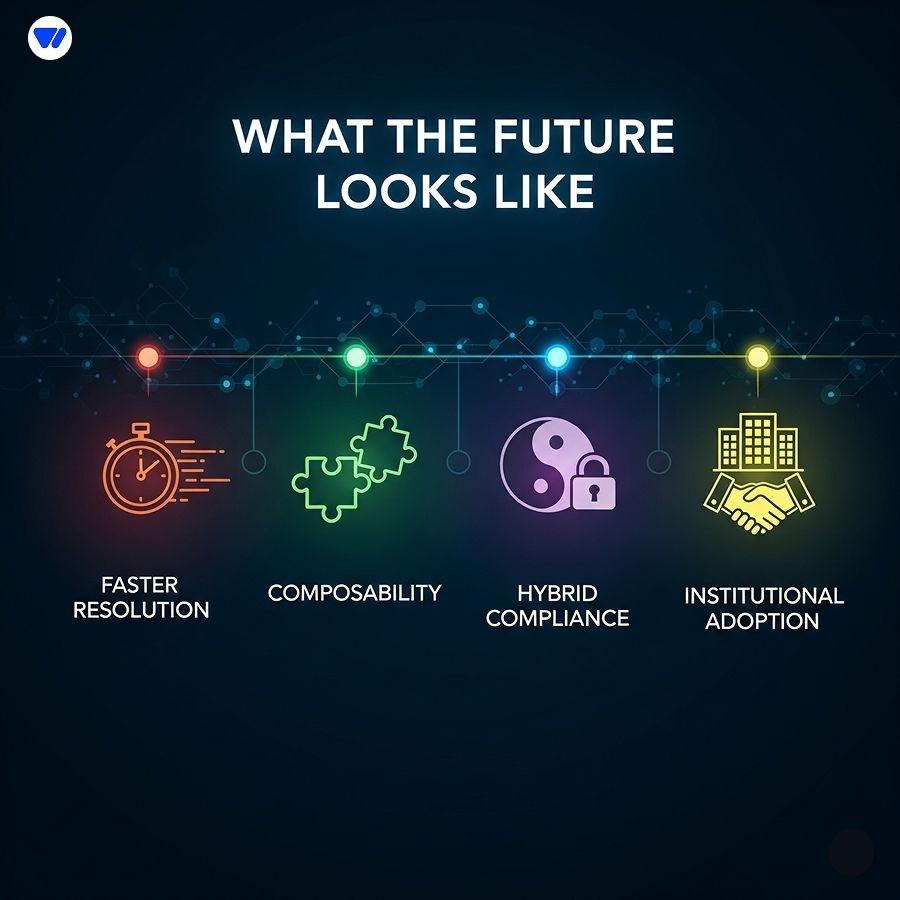
Imagine a financial landscape where prediction markets integrate with:
• Portfolio hedging tools
• Risk management systems
• AI-driven forecasting models
• Real-time macro dashboards
In such a system, markets don’t just react to events. They anticipate them.
Prices become collective intelligence signals.
With regulatory backing, prediction markets can evolve from speculative experiments into a recognized layer of financial infrastructure.
The Bigger Story
PredictionMarketsCFTCBacking is not just a legal milestone. It represents recognition.
Recognition that information has value.
Recognition that probabilities can be traded responsibly.
Recognition that structured forecasting belongs inside the financial system.
When regulation chooses oversight instead of prohibition, innovation gains a foundation.
And foundations are what build industries.
Prediction markets are no longer asking whether they are allowed to exist.
They are preparing to scale.