

Fogo is interesting to me for a reason that has nothing to do with flashy benchmark screenshots.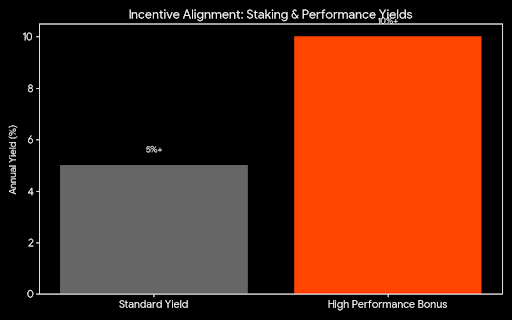
Yes, the speed matters. Yes, low latency matters, especially if the chain is aiming at trading, liquidations, order books, and all the parts of crypto where timing is not just a feature but the whole game. But speed is the part everyone can see. It is the visible part. The easier part. The thing people post.
What decides whether a chain actually earns trust is what happens after the first wave of attention.
What happens when validators stop acting like early supporters and start acting like businesses. What happens when apps want growth fast but don’t want abuse. What happens when users want smooth, cheap, near-instant execution and still expect fairness when markets get violent. That is where the real story begins, and that is exactly why Fogo feels worth watching.
I don’t think the most important question is whether Fogo can be fast. I think the more serious question is what kind of behavior Fogo rewards once speed becomes normal and nobody is impressed by it anymore.
That is the quiet test of credibility.
A lot of projects in crypto want you to stare at the front window. They show you clean branding, technical claims, fast blocks, and a polished message. Fogo can do that too. But underneath that, there is a more uncomfortable challenge every infrastructure project eventually runs into: people are not just using your system, they are optimizing against it.
And the moment real optimization begins, incentives become the truth.
That is why this conversation matters so much. In crypto, performance is visible, but incentive design stays invisible until something breaks. You can feel a fast transaction instantly. You can’t feel unfair routing, hidden privilege, weak enforcement, or bad market structure right away. Those things show up later, slowly, usually after enough people are already emotionally invested.
By then, the story people told themselves about the system and the behavior the system actually rewards start drifting apart.
That gap is where trust dies.
What makes Fogo feel different is not just that it is trying to go faster. It is that its design choices seem to admit, more openly than most projects, that performance is not only a software problem. It is a participant problem. It is an operations problem. It is a governance problem. It is a human behavior problem.
That is a much more honest place to start.
Because if a chain is built for serious execution quality, then it cannot pretend every validator setup is equally good for the outcome. It cannot pretend coordination is optional. It cannot pretend all forms of participation create the same reliability. At some point, someone has to decide standards, enforce them, and deal with the backlash when people call that unfair.
This is where many crypto conversations become childish. People act like there are only two options: pure openness with no tradeoffs, or total control dressed up as innovation. Real systems do not work like that. Every serious system chooses what it protects first. The question is whether it is honest about that choice and whether the rules stay predictable once money and influence enter the room.
That is the real pressure point for Fogo.
A curated or performance-focused approach is not automatically a flaw to me. Weak standards can break a system just as badly as heavy-handed control can. What matters is whether users, builders, and operators can understand the rules before they get tested. If enforcement feels random, trust collapses. If standards only apply to outsiders, trust collapses. If the language says “network health” but the outcomes repeatedly favor insiders, trust collapses.
Not immediately. But steadily.
And that kind of trust damage is hard to repair because it spreads by feeling before it spreads by proof.
There is another layer here that people often ignore because it sounds less exciting than speed: fairness in fast markets is much harder than people pretend. Users always say they want speed and fairness, and of course they do. But the second a system allows urgency to be priced, edge starts forming. Better infra, better routing, better capital, better tools, better timing, better discipline. Someone will always optimize better than someone else.
So the goal is not to build a fantasy market where nobody has an edge. That has never existed anywhere.
The goal is to make the rules clear enough, the abuse constrained enough, and the incentives legible enough that people do not feel like the game is secretly rigged.
That is a far more useful definition of fairness, and it is the one Fogo will eventually be judged against whether people say it out loud or not.
I also think the user experience side is where Fogo’s credibility test becomes very real, very fast. Everyone loves the idea of smoother interactions, fewer approvals, fewer signatures, less friction, and something that feels more like a product than a ceremony. Crypto desperately needs that. Most users do not care about ideological purity when the interface feels like punishment.
So if Fogo is serious about reducing friction, that is not a cosmetic improvement. That is one of the most meaningful things a chain can do.
But every time a system feels frictionless, I immediately ask the same question: who is paying for that smoothness?
Because there is always a bill. If users are not paying directly, then an app is. If the app is not, then some sponsor or paymaster is. If nobody can clearly explain the cost, then the cost is probably being delayed, hidden, or transferred to whoever has the least power in the stack. That is when abuse starts showing up. That is when operators add filters and limits. That is when support channels become gatekeepers. That is when the “easy” UX turns into policy.
This does not mean the UX model is bad. It means it has entered real life.
And honestly, I trust projects more when they seem to understand that reality instead of pretending smooth UX is free forever.
Another thing I think Fogo quietly forces people to confront is the fact that geography still matters in markets, no matter how often crypto tries to market itself as if location disappeared. The internet is global, yes. But when the product is execution quality and timing, the physical world comes back immediately. Where infrastructure sits, where data travels, where participants cluster, where updates arrive first, where operators invest with confidence — all of that still shapes outcomes.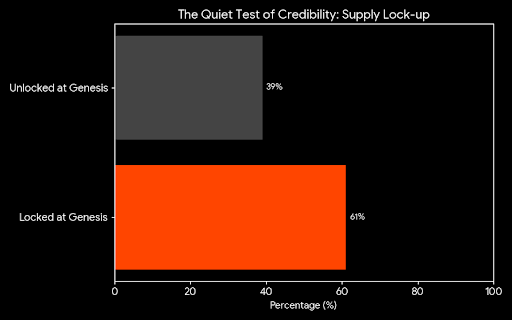
That is not a betrayal of crypto ideals. It is just the cost of dealing with time-sensitive systems.
The problem is not that geography matters. The problem is when systems pretend it does not while advantages build in the dark. At least when a project is explicit about these realities, people can evaluate the tradeoffs honestly instead of discovering them later through bad outcomes.
And credibility always starts with that kind of honesty.
What I’ll be watching with Fogo is not just launch momentum, speed clips, or the usual social metrics. I’ll be watching the quieter moments that actually reveal character. How disputes are handled. How standards are explained. How edge cases are treated. How the project speaks when tradeoffs hurt real users. How it responds when growth incentives and fairness incentives stop pointing in the same direction.
Those are the moments that separate a fast system from a trusted one.
A credible chain is not the one that avoids hard choices. It is the one whose choices still make sense after you know who benefited from them. That is a brutal standard, but I think it is the only standard worth using if a project wants to be taken seriously for the long term.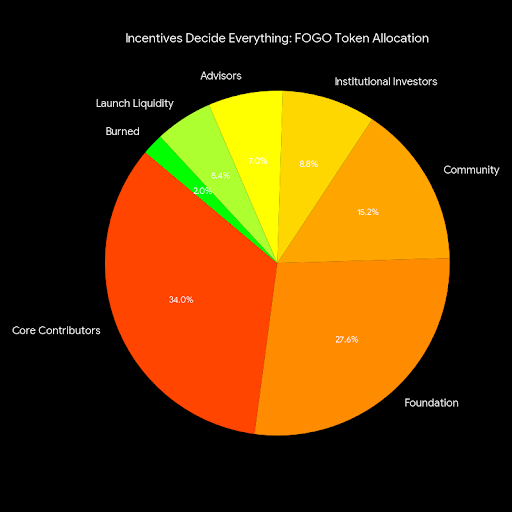
My honest take is that Fogo is worth paying attention to not because it promises speed, but because it may force a more mature conversation in crypto. The lazy argument has always been that fast systems are compromised and slower systems are somehow morally superior by default. That framing has wasted so much time. Real infrastructure is more complex than that. The better question is always the same: what are you optimizing for, what are you sacrificing, and do your incentives preserve credibility once the system is under pressure?
That is where Fogo becomes more than just another chain launch story.
If it works, it will not be because people were impressed by speed forever. Nobody stays impressed forever. It will be because the incentive design, governance discipline, and operational choices stayed coherent long enough for trust to build.
If it fails, I doubt the first reason will be that the technology looked good in public and secretly did nothing. More often, the failure comes from a mismatch between what a system says it values and what it actually rewards when people start optimizing hard.
That mismatch is what breaks belief.
And that is why I think Fogo is facing a quiet test that matters more than its performance claims.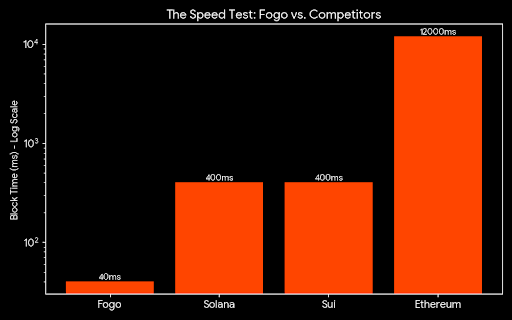
Speed gets attention.
Incentives decide whether anyone stays.