

@Fogo Official is a high-performance blockchain built specifically for one thing: making on-chain trading feel as fast and responsive as using a centralized exchange like Binance. They raised 13.5 million total 5.5M from big funds like Distributed Global, then another 8M through Cobie's Echo platform where 3,000+ community angels piled in. That community round tells you something: this isn't just VC vaporware, there's genuine retail conviction here.

The team is legitimately stacked. Robert Sagurton ran global digital asset sales at Jump Crypto so he knows exactly what institutional market makers need because he used to sell it to them. His co-founder Douglas Colkitt founded Ambient Finance and came from Citadel's quant desk. When your founders have spent years building the infrastructure that powers traditional finance, you tend to build things that actually work rather than just sound good in a whitepaper.
The Technical Edge

Here's where it gets interesting. Fogo runs exclusively on Firedancer—the high-performance Solana client that Jump Crypto's labs spent years building. While Solana itself is still transitioning to Firedancer alongside its older clients, Fogo went pure Firedancer from day one. No legacy baggage, no slowest-common-denominator problems where one outdated client drags down the whole network.
The numbers are aggressive: 40 millisecond block times with about 1.3 seconds to finality. Compare that to Solana's roughly 400ms blocks. On their testnet they hit peak throughput of 136,000 TPS with sustained real-world numbers above 48,000. For context, most chains brag about theoretical maximums they never hit in production. Fogo's testnet numbers are already beating what most live chains claim.
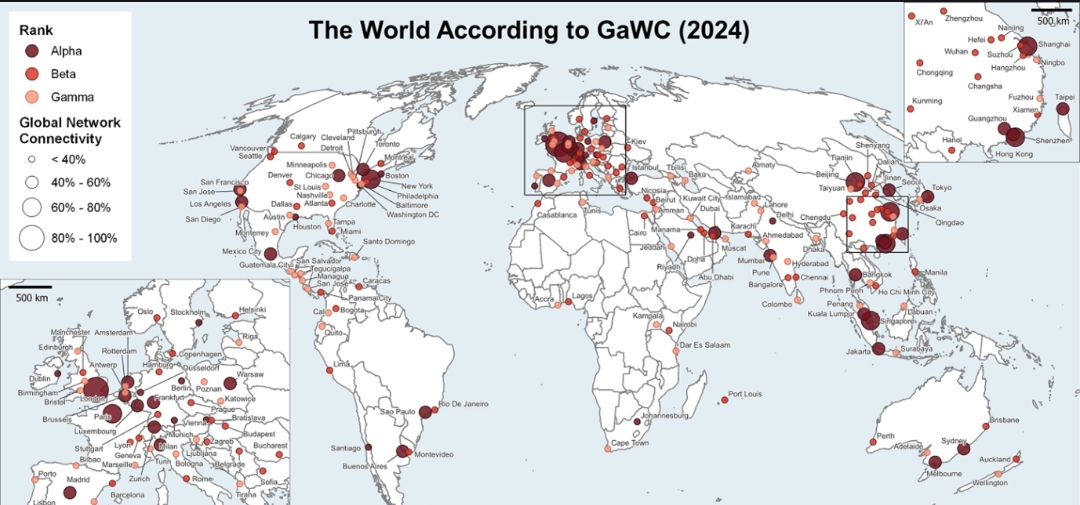
But speed alone isn't the play. Fogo's validators aren't scattered randomly across the globe for maximum decentralization theater. They're deliberately clustered in financial hubs Tokyo, London, New York rotating via something they call "follow-the-sun" consensus. The validators are physically located near major exchange infrastructure. This sacrifices some of the decentralization purity that crypto Twitter loves, but it gives institutional market makers the sub-10ms latency they actually need to run strategies. It's a deliberate trade-off: be decentralized enough for credible neutrality, but centralized enough where it matters for performance.
What Actually Makes It Different
Most new chains are just Solana or Ethereum with a twist. Fogo's architecture reflects genuinely different priorities.
They built trading primitives directly into the protocol layer. Order books, batch auctions, liquidation mechanics—this isn't smart contract code sitting on top of a general-purpose VM. It's enshrined in the base layer, which means less MEV leakage and more predictable execution for traders. When you're competing with Binance's matching engine, every millisecond of smart contract overhead matters.
Then there's Fogo Sessions. Instead of users signing every transaction and paying gas each time, you stake some FOGO tokens once and get a session key that allows gasless interactions for a period of time. You keep self-custody your keys, your coins but you get the smooth UX of a Web2 app. No more MetaMask popups murdering your flow every time you want to adjust a position.
They also run both SVM and EVM natively. Most chains force you to choose or use clunky wrappers. Fogo's hybrid approach means Solana-native DeFi protocols and Ethereum dApps can both deploy without rewriting everything.
The Ecosystem Reality Check
Pre-mainnet, they've already got actual products building: Valiant for hybrid order book/AMM trading, Ambient Finance for perpetuals (founded by Colkitt himself so that's basically in-house), FluxBeam for spot trading, plus lending protocols and the standard infrastructure like Birdeye and Wormhole bridges. It's not just grant-funded vaporware—these are teams choosing to build here before the chain is even live.
The token launched January 2026 on Phemex, Bitget, XT, and LBank. Team and investors are locked for four years with gradual unlocks, which suggests they're planning for a long build rather than a quick pump and exit.
The Honest Assessment
Fogo isn't trying to be everything to everyone. It's not the chain for NFT drops or meme coin gambling (though people will obviously use it for that). It's specifically designed for sophisticated traders and market makers who currently use centralized venues because decentralized alternatives are too slow and clunky.
The risk is obvious: curated validators and geographic clustering makes decentralization purists scream "permissioned chain!" And they're not wrong—this is more centralized than Solana or Ethereum by design. The bet is that institutional users care more about performance than ideological purity, and that Fogo is decentralized enough to resist censorship without being so decentralized that it can't compete on speed.
If Solana successfully deploys Firedancer across its entire network and solves its congestion issues, Fogo's technical advantage narrows significantly. But if institutional DeFi actually becomes a thing—if hedge funds and prop shops start moving serious size on-chain—they'll want infrastructure built by people who understand their workflows, not just crypto natives who've never seen a Bloomberg terminal.
That's Fogo's real pitch: built by TradFi infrastructure veterans, for the moment when TradFi finally comes on-chain.