
In the opening days of 2026, Dusk Network has activated its DuskEVM mainnet, marking a precise integration point for developers seeking to build on a privacy-focused Layer 1. This launch aligns Dusk's infrastructure with established Ethereum standards, allowing Solidity contracts to operate seamlessly while leveraging Dusk's native settlement mechanisms. For institutions eyeing regulated applications, DuskEVM represents a structured entry into the Dusk ecosystem, where confidentiality meets verifiable compliance without unnecessary rework.
What DuskEVM Brings to the Table
DuskEVM functions as Dusk Network's EVM-compatible execution layer, designed to process standard Solidity smart contracts directly on top of Dusk's Layer 1 settlement. This setup enables developers to deploy applications using familiar tools like Hardhat or Foundry, with transactions settling securely on DuskDS—the data and consensus component of Dusk. According to official updates, DuskEVM's mainnet went live in the second week of January 2026, removing barriers for integrations that previously required custom adaptations in the Dusk environment. In practical terms, this means Dusk now supports a workflow where code written for Ethereum can run on DuskEVM, benefiting from Dusk's zero-knowledge proofs for data protection.
Within the Dusk ecosystem, DuskEVM enhances token utility by requiring DUSK for gas fees during contract executions on Dusk. This ties directly into Dusk's economic model, where DUSK holders can stake to secure the network, earning rewards that sustain Dusk's operations. Developers must account for this when estimating costs, as DuskEVM's privacy features, such as selective disclosure, add a layer of computation that influences DUSK consumption patterns.
Integration with Dusk's Layer 1 Settlement
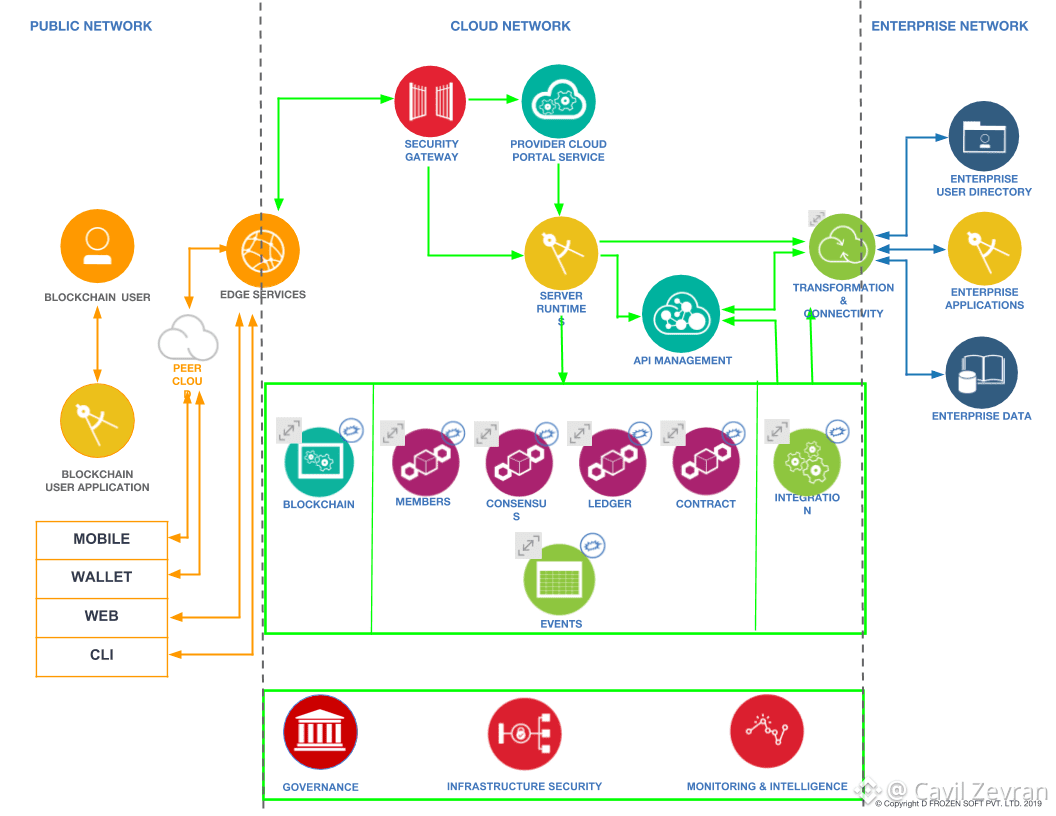
At its core, DuskEVM interfaces with DuskDS to ensure all executions finalize on Dusk Network's base layer, which handles consensus via Succinct Attestation—a mechanism optimized for quick finality in Dusk transactions. This modular approach separates execution from settlement, allowing DuskEVM to scale independently while inheriting Dusk's security guarantees. For instance, a developer deploying a DeFi protocol on DuskEVM can rely on Dusk's native bridging to move states to DuskDS, where zero-knowledge validations occur without exposing sensitive details.
This integration unlocks compliant DeFi on Dusk, as DuskEVM supports auditable transactions that align with regulations like MiCA in the EU. Institutions using Dusk can tokenize real-world assets (RWAs) through DuskEVM, settling them on Dusk's Layer 1 to maintain privacy during trades or transfers. DUSK plays a central role here, as it funds the gas for these operations, creating a feedback loop that bolsters Dusk's network effects.
Developer Workflow: Step-by-Step Deployment on DuskEVM
To illustrate how builders engage with DuskEVM, consider this sequential process tailored to the Dusk ecosystem. First, set up a local environment by connecting to Dusk's testnet RPC, ensuring compatibility with DuskEVM's chain ID (typically 744 for mainnet). Next, write and compile Solidity code, incorporating Dusk-specific libraries for zero-knowledge elements if needed.
Then, test the contract using tools like Remix, simulating DUSK gas costs to optimize for Dusk's fee structure. Deploy via ethers.js or Dusk's CLI, funding the wallet with DUSK tokens. Once live on DuskEVM, monitor interactions through Dusk's explorer, adjusting for any privacy verifications. Finally, bridge results to DuskDS for settlement, confirming the transaction's inclusion in Dusk's blockchain.
This workflow minimizes friction, as DuskEVM's EVM equivalence means no major code changes from standard Ethereum practices, yet it enforces Dusk's privacy by default. DUSK utility extends to staking rewards for validators supporting DuskEVM nodes, incentivizing robust infrastructure in the Dusk network.
Privacy Mechanisms in Action on DuskEVM
DuskEVM incorporates Hedger, Dusk Network's tool for privacy-preserving transactions using zero-knowledge proofs and homomorphic encryption. This allows Dusk users to prove transaction validity on DuskEVM without revealing underlying data, essential for regulated financial apps. For example, an institutional RWA platform on DuskEVM can handle tokenized securities, where proofs verify compliance while keeping investor details confidential within Dusk.
Balanced against this, DuskEVM maintains auditability, meaning regulators can access necessary proofs without compromising Dusk's privacy core. DUSK fuels these mechanisms, as generating and verifying proofs on DuskEVM consumes gas paid in DUSK, ensuring economic sustainability for the Dusk ecosystem.
Unlocking Compliant DeFi and RWA Applications
With DuskEVM live, Dusk Network positions itself for compliant DeFi, where developers can build lending protocols or DEXes that settle on Dusk's Layer 1 with built-in privacy. This removes integration hurdles, as Solidity contracts on DuskEVM can interact with external oracles like Chainlink, adapted for Dusk's regulated focus. Institutions benefit by deploying RWAs, such as tokenized bonds, directly on DuskEVM, leveraging Dusk's collaboration with licensed entities like NPEX for over €300M in assets.
DUSK's role amplifies here, as increased DeFi activity on DuskEVM drives demand for DUSK in fees and staking, supporting Dusk's long-term decentralization. However, constraints like Dusk's 7-day finalization window in certain modes require careful planning for time-sensitive Dusk applications.
Trade-Offs: Performance vs. Privacy in DuskEVM
While DuskEVM offers seamless EVM compatibility, it introduces trade-offs inherent to Dusk Network's design. Privacy overhead from zero-knowledge proofs can elevate DUSK gas costs on DuskEVM compared to transparent chains, potentially impacting high-frequency trading apps in the Dusk ecosystem. Developers must optimize contracts to balance this, perhaps by batching proofs to reduce Dusk network load.
On the upside, DuskEVM's modular tie to DuskDS enhances security, as settlement occurs on Dusk's proven Layer 1, but this separation might add latency in cross-layer interactions. Overall, Dusk strikes a measured equilibrium, prioritizing compliant use cases where Dusk's privacy justifies the performance considerations.
Institutional Implications for Dusk's Ecosystem
For institutions, DuskEVM transforms Dusk Network into a viable platform for on-chain finance, enabling the deployment of Solidity-based tools that comply with global standards. This launch facilitates RWA tokenization on Dusk, where assets settle privately yet audibly on Dusk's Layer 1, addressing data leakage risks in traditional blockchains.
DUSK utility underpins this, as institutional adoption increases transaction volume on DuskEVM, boosting DUSK's value through fees and staking. Yet, constraints like regulatory alignment demand that Dusk applications undergo thorough audits, limiting rapid prototyping in the Dusk space.
DuskEVM's activation equips developers and institutions with tools to build on Dusk Network efficiently, merging EVM standards with Dusk's privacy strengths. This positions Dusk as a focused Layer 1 for regulated sectors, where DUSK drives the underlying economics. As the ecosystem matures, DuskEVM stands to accelerate compliant innovation without overpromising universality.