

How Plasma XPL Tackles Network Congestion
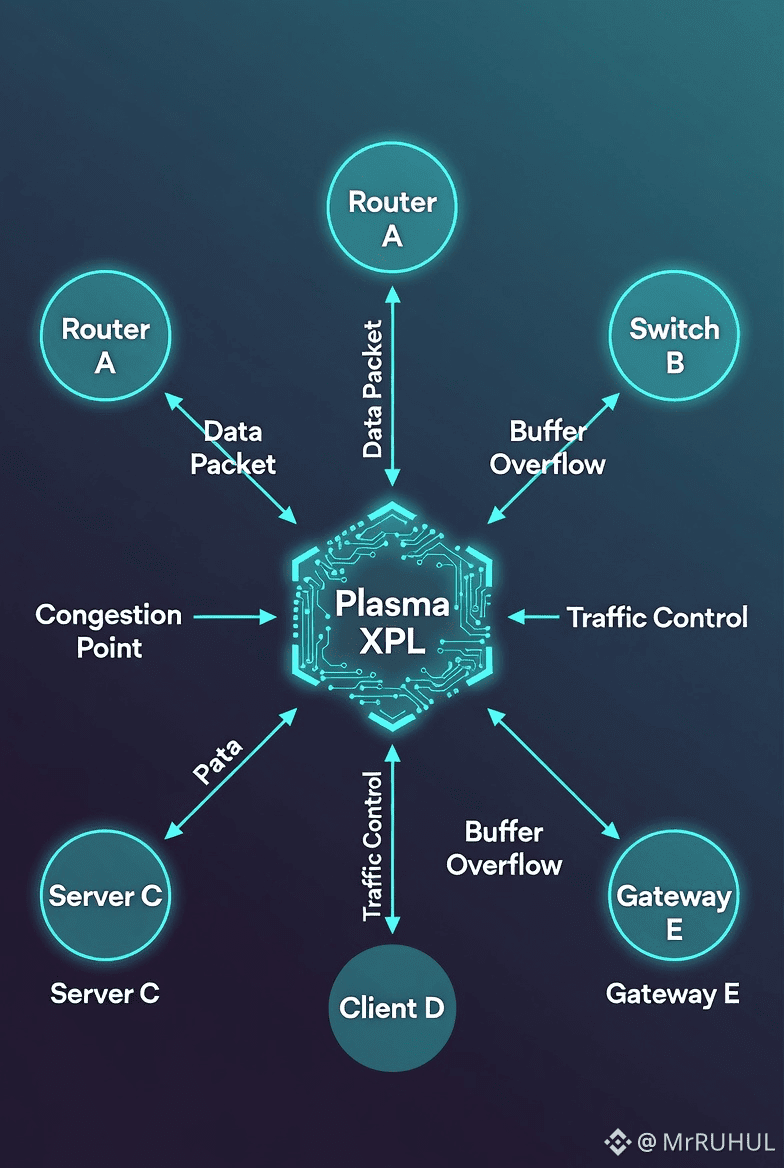
If you’ve messed around with blockchains, you know how ugly network congestion gets. More people show up, everything slows to a crawl, fees shoot through the roof, and the whole thing just grinds. Plasma XPL doesn’t pretend this isn’t a problem or promise some magic fix. It goes right at the issue, baking congestion-busting solutions directly into the protocol so things keep flowing—even at peak times.
So, why does Plasma XPL handle congestion better? It doesn’t dump every job on every node. Instead, it splits up execution, data availability, and settlement into dedicated layers. Most blockchains force every node to process and store everything, which pretty much guarantees gridlock whenever things get busy. Plasma XPL’s modular design means each layer scales on its own, so a spike in one area doesn’t jam up the entire network.
Batching is where Plasma XPL really pulls ahead. Instead of cramming transactions into blocks one by one—wasting space and time—it bundles a bunch together and settles them in batches. That way, it processes a lot more with fewer on-chain headaches, sidestepping the typical network logjam when traffic picks up.
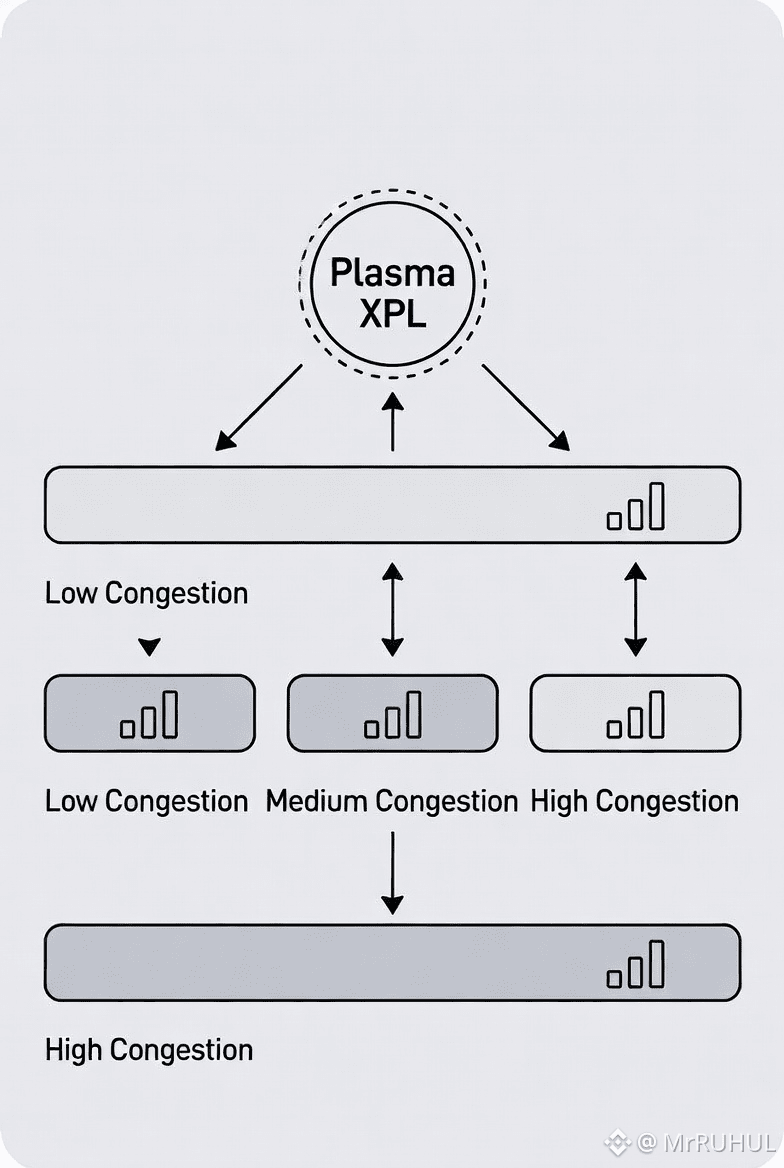
But it’s not just about showing off some huge TPS number. There are plenty of blockchains that love to parade their “hero stats” when everything’s perfect in testing. Plasma XPL is built for the real world, with real traffic spikes and unpredictable demand. When the network gets crowded, it keeps things running. Fees stay reasonable. You don’t have to sweat and overpay just to get your transaction through. That’s usually what drives congestion out of control, but Plasma XPL cuts it off early.
Data availability matters, too. If every node has to dig through massive piles of data, everything slows down. Plasma XPL keeps transaction data neat and easy to check. Nodes zero in on what’s important, instead of getting buried. So even if there’s a surge in transactions, the network keeps moving.
Fees? Plasma XPL keeps them in check. No crazy bidding wars just because everyone’s online. Efficient batching stretches block space further, so transactions cost less. You don’t need to throw money at the problem to get a spot in line. That calms things down and helps prevent congestion from starting in the first place.
And let’s be real—Plasma XPL doesn’t just tell validators to buy expensive hardware and call it a day. Some networks go that way, but all it really does is jack up costs and push out smaller players. Plasma XPL fixes congestion at the protocol level, so it’s affordable and practical for more people to run validators. That keeps the network open and healthy.
Asynchronous processing gives Plasma XPL another leg up. Transactions don’t all have to wait in a single line. Processes run in parallel, so wait times drop and queues don’t stack up. When there’s a sudden rush—maybe an app goes viral or there’s a trading frenzy—this kind of setup really matters.
For developers, this is huge. You don’t have to panic when traffic spikes. Your app keeps working, users don’t bail because of slowdowns, and you build something people actually want to use—not just hype. That kind of stability attracts real projects and helps the network thrive over time.
And Plasma XPL isn’t just a “set it and forget it” deal. Fighting congestion isn’t a one-time fix. The protocol is built for regular upgrades—better batching, smarter data, sharper execution—all without shoving everyone through painful hard forks. It keeps up with demand, so congestion never becomes a dealbreaker.
Bottom line: Plasma XPL tackles congestion head-on with smart architecture, tight batching, stable throughput, clean data, steady fees, and real protocol improvements. It’s built to keep congestion from happening in the first place. If you want dependable performance—beyond the hype—Plasma XPL is worth a serious look.@Plasma #Plasma $XPL