

Most blockchain projects talk about privacy and transparency as if they are opposites. One promises secrecy at all costs. The other promises radical openness and calls it trust. In practice, neither extreme works for real finance. Banks, exchanges, and asset issuers do not want everything hidden, and they cannot allow everything to be public. What they need is control. The ability to decide who sees what, when they see it, and under what rules. That is where Dusk Network starts, and that starting point matters more than any feature list.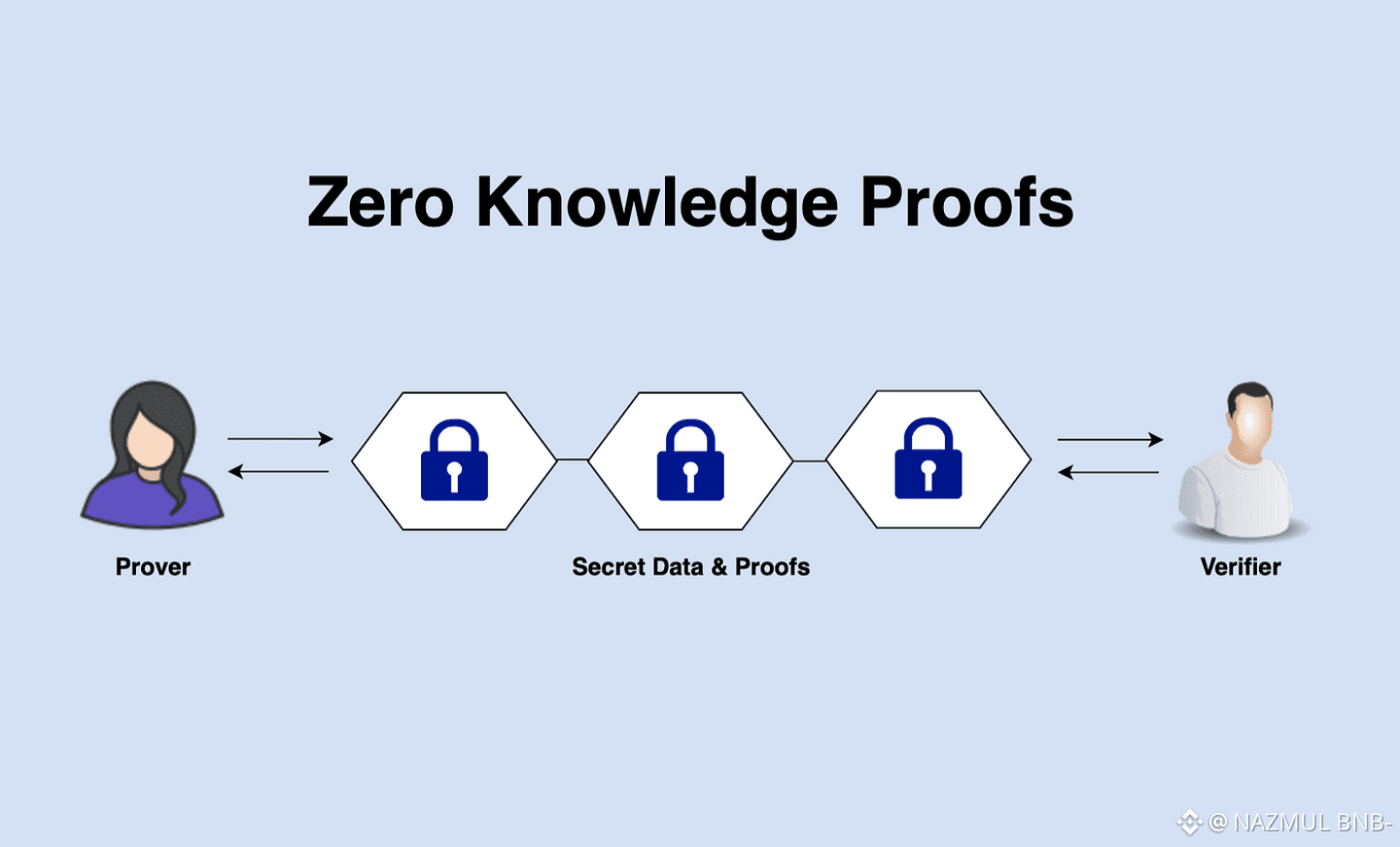
Dusk’s design reads like it was shaped by real-world constraints instead of crypto narratives. The network separates settlement from execution, not to chase modular buzzwords, but to respect how finance actually works. Settlement is the final record. It is where ownership is proven, disputes are resolved, and history becomes permanent. In regulated systems, this layer must stay stable, inspectable, and predictable. DuskDS handles this role. It is responsible for consensus, finality, and data availability. On top of that sits DuskEVM, an execution environment built to feel familiar to developers who already understand Ethereum-style smart contracts. This split is intentional. Execution environments can change and improve over time. Settlement rules cannot shift every few months without breaking trust. By keeping settlement clean and legible, Dusk makes space for institutions that are legally accountable for every transaction they touch.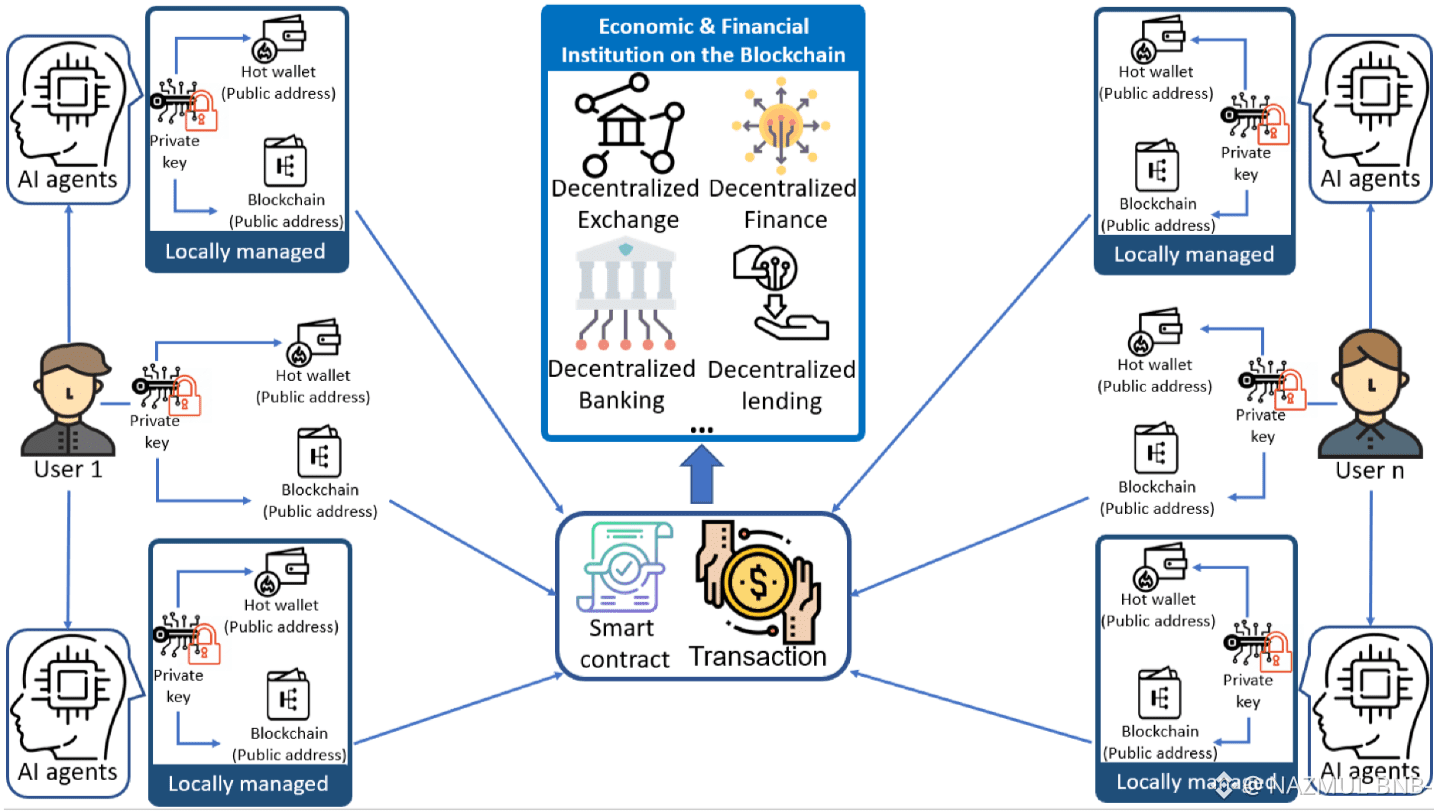
This architecture quietly answers a question many blockchains avoid. How do you support innovation without rewriting the rulebook every year? Dusk’s answer is to freeze what must be trusted and let everything else evolve around it. Developers can build applications that look and feel modern, while regulators and auditors can trace settlement logic without learning a new system from scratch. This is not about pleasing regulators for optics. It is about reducing friction for anyone who needs clear records, predictable outcomes, and the ability to explain what happened months or years later. In finance, that ability is not optional.
The same mindset shows up in how the DUSK token is treated. It is not framed as a story about future price or abstract value. It has a job. DUSK secures the network through staking. It pays for execution. It moves between layers to act as gas where activity happens. The supply design leans toward long-term continuity rather than short bursts of attention. Emissions are spread over time. Earlier token standards migrate forward instead of being abandoned. These choices do not create excitement on social media, but they do create stability. For infrastructure, stability is the product.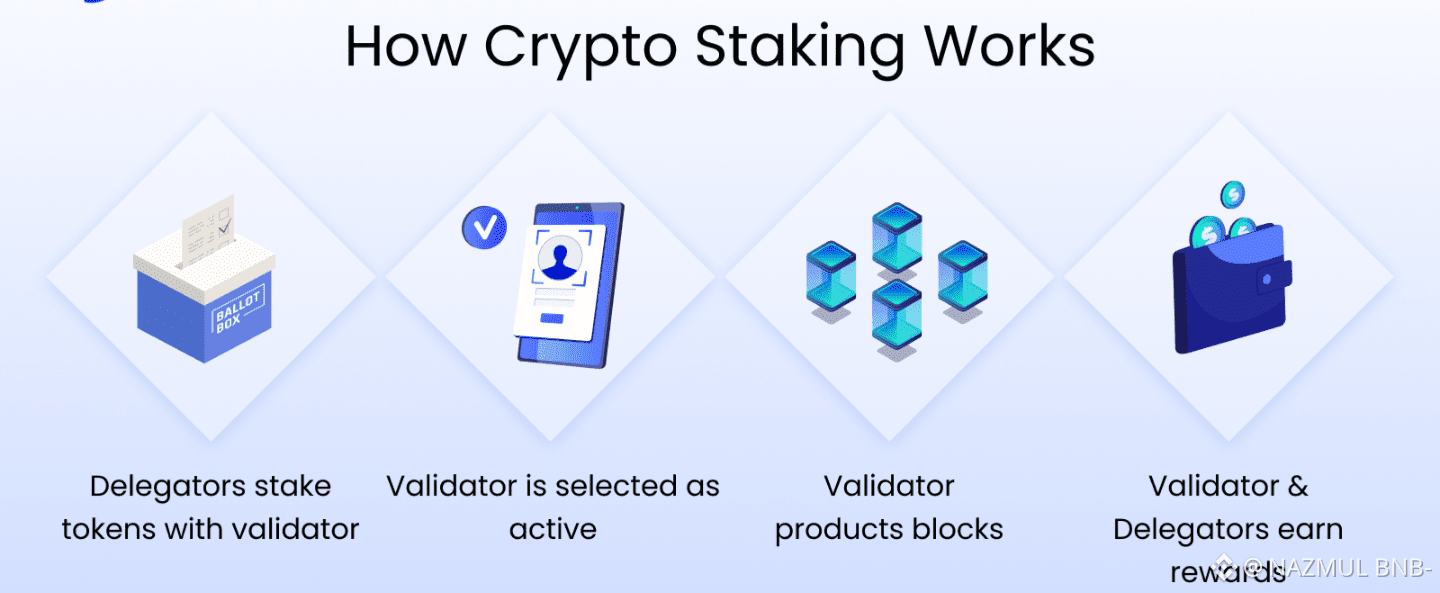
On-chain behavior reinforces this picture. A large share of the supply is actively staked, with a relatively small portion sitting idle. That fact matters less as a number and more as a signal. Networks built for short-term speculation often attract participants who chase rewards and leave when conditions change. Networks built for regulated use need validators who behave more like operators than traders. They care about uptime, consistency, and long-term participation. Staking patterns, reward-claim habits, and validator distribution quietly reveal whether that culture is forming. In Dusk’s case, the signals lean toward infrastructure behavior rather than opportunism.
None of this guarantees success. Building for regulated finance is slow. Decisions move through legal teams, compliance reviews, and policy frameworks that do not care about crypto timelines. Adoption often looks flat before it looks meaningful. There are also strong incumbents, both on-chain and off-chain, competing for the same future. But Dusk does not read like a project trying to win the next cycle. It reads like a project trying to survive many cycles. The goal is not to be loud. It is to be dependable. Predictable settlement. Controlled disclosure. Familiar execution. Quiet staking incentives that reward patience over hype. If that sounds boring, it probably means it is pointed in the right direction. In finance, boring is often another word for trusted.
