


Every bull cycle releases thousands of new tokens into the market. They come wrapped in catchy names, ambitious roadmaps, and promises to “redefine” blockchain forever. Then the bear market hits. Liquidity dries up, attention fades-and more than 99% of those tokens quietly disappear.
This pattern has repeated itself in every cycle. From the ICO boom of 2017 to DeFi Summer in 2020 and the NFT–GameFi frenzy of 2021, the outcome has always been the same. Only a tiny minority of projects survive once the hype is gone. The real question is not whether most tokens will die, but why a handful manage to live on.

Why Most Tokens Don’t Survive
Most crypto projects follow a familiar script. Users rush in to farm airdrops, sell tokens as soon as they receive them, and then vanish. What remains is an empty ecosystem that resembles a ghost town more than a living network.
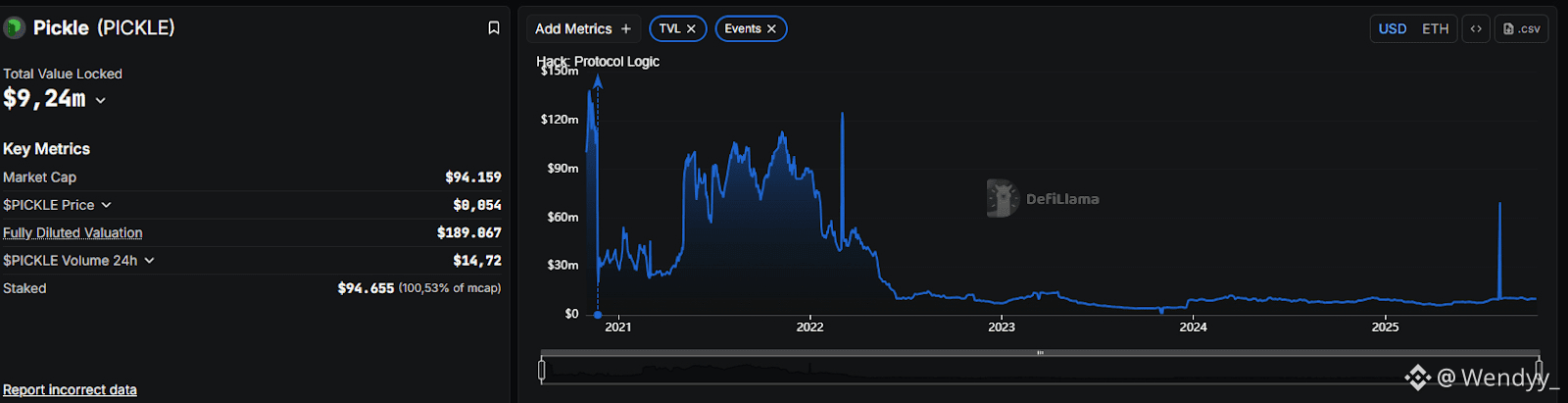
The DeFi farming wave of 2020 makes this painfully clear. Projects like Yam Finance, Pickle Finance, or Kimchi once attracted hundreds of millions of dollars in TVL within weeks. Today, many are inactive, with liquidity measured in single-digit millions-or less. Some have effectively stopped existing.
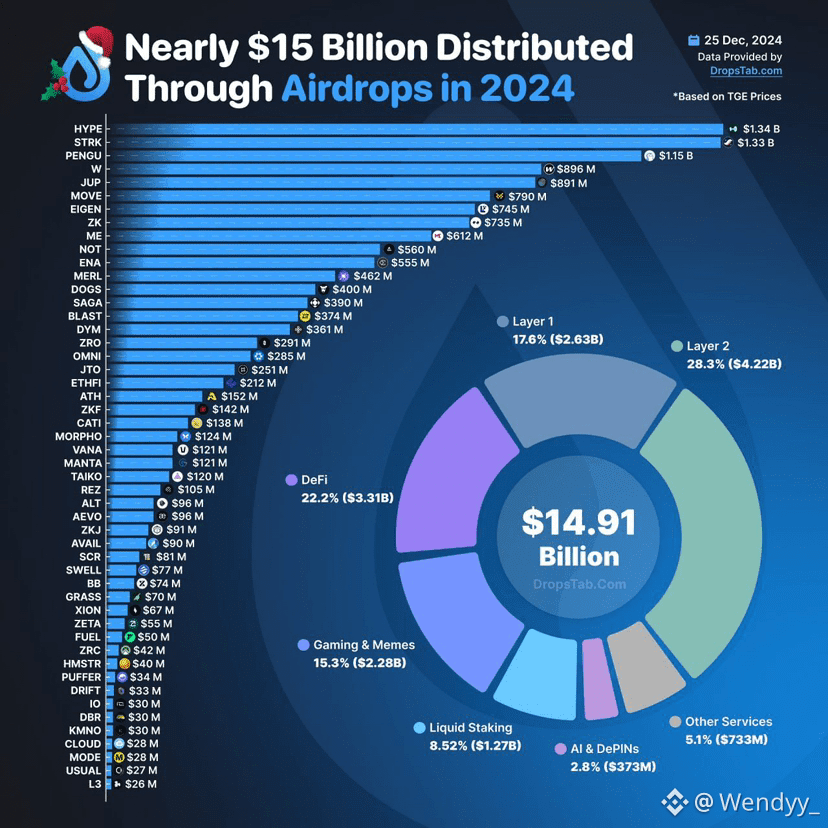
The core issue was not bad timing, but fragile design. Capital flowed in to earn rewards, rewards were sold immediately, and there was no real reason to stay. Once incentives stopped, users withdrew and moved on to the next farm offering higher yields. Short-term rewards attracted attention, but nothing anchored users to the ecosystem.
In truth, both sides understood the game. Projects minted tokens to raise capital and generate social buzz. Users pretended to believe in long-term visions while planning short-term exits. Everyone hoped to leave before the music stopped. A few succeeded. Most didn’t.
This is why crypto often feels less like a technology market and more like a giant casino.
Even Giants Are Not Immortal
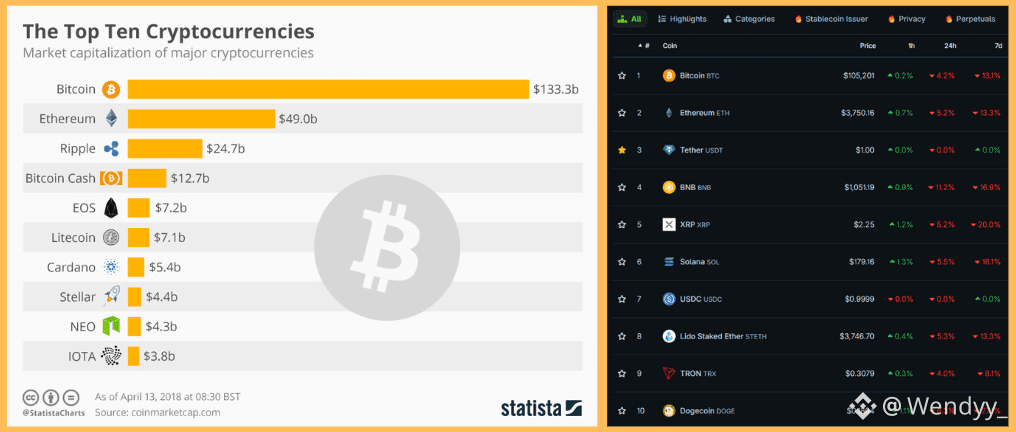
Looking at the top ten cryptocurrencies by market cap in 2018 versus 2025 reveals how brutal the market really is. Apart from Bitcoin, only Ethereum and XRP managed to hold their ground. Former stars like EOS, Litecoin, Bitcoin Cash, Stellar, or NEM have all fallen out of the top ranks.
And those were multi-billion-dollar projects with massive communities. If they struggled to survive, what are the odds for the small-cap tokens sitting in your wallet today?
This data highlights a harsh reality. Even projects once considered “too big to fail” can fade away within a few years. Survival in crypto is not guaranteed by hype, capital, or early popularity.
The Three Pillars That Separate Survivors From the Dead
According to many long-term DeFi observers, including TheDeFISaint, the difference between a dying token and a resilient ecosystem rests on three foundations.
The first is participation incentives that actually scale. This does not simply mean high emissions. It means users are motivated to engage because token ownership, staking, or ecosystem activity creates increasing utility and demand as more people participate.
The second is user retention. Attracting attention is easy during a bull market. Keeping users when incentives shrink is not. Projects that survive make users feel that leaving comes with an opportunity cost-lost access, lost yield, or lost network effects.
The third, and most important, is real-world or on-chain use cases. A token that does not help its holder grow, earn, or participate meaningfully is ultimately disposable. Without utility, there is no reason to hold through adversity.
A clear example that combines all three pillars is Ethereum. Its incentive loop is rooted in decentralization and security, which continuously attracts developers. Today, more than 5,000 dApps operate across its ecosystem, spanning DeFi, NFTs, gaming, and real-world assets.
User retention is reinforced by network depth. Whales rely on Ethereum for security, while retail users engage across multiple sectors. Recent upgrades have significantly reduced gas costs compared to earlier cycles, further strengthening reasons to stay.
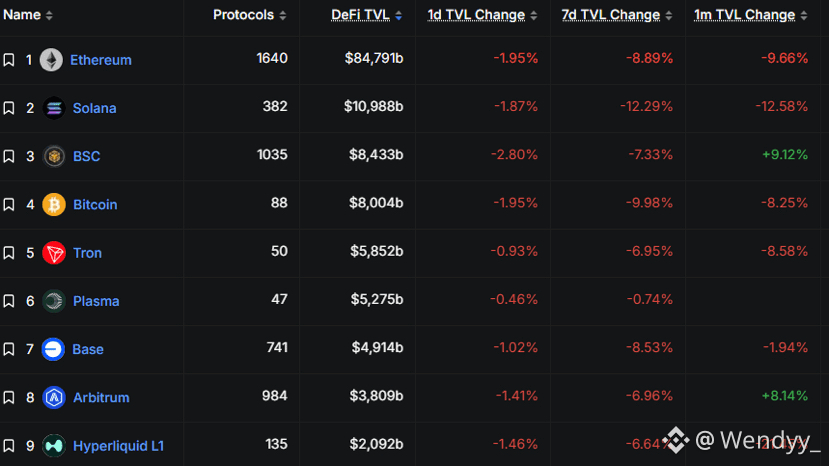
As for real use cases, Ethereum remains the backbone of DeFi. Staking, lending, liquid staking, and countless financial primitives originated here. With over $80 billion in TVL, Ethereum still leads the industry in economic activity and capital deployment.
In a sustainable system, every user action creates value. Staking improves security. Providing liquidity enables trading. Using dApps generates fees and revenue. Even sharing success stories indirectly markets the ecosystem. This is how networks build resilience.
Look at Your Portfolio-Right Now
The line between speculation and investment is defined by value creation. A token that relies only on airdrops, lacks user retention, and offers no real utility is not a long-term investment, no matter how convincing the narrative sounds.
Take a hard look at your holdings. Which tokens truly meet these three criteria? Which ones are missing one-or all-of them?
If a token has no genuine use case and survives only on short-term incentives, be honest with yourself. That is speculation, not investment. Speculating is not inherently wrong, but it requires clear exit strategies, disciplined profit-taking, and strict risk control.
The difference between those who last in crypto and those who disappear is not prediction accuracy. It is clarity. Knowing what you hold, why you hold it, and under what conditions you will let it go is the real edge in a market where most tokens are destined to vanish.