

@Vanar is part of a growing group of blockchain projects trying to solve a simple problem: how do we make blockchain useful for normal people, not just developers or early adopters. Over the years, the technology has shown a lot of promise, but it has also created frustration. High fees, slow transactions, confusing tools, and complicated interfaces have made many people feel that blockchain is powerful but hard to live with. VanarChain exists to narrow that gap.
At its core, #vanar is a Layer 1 blockchain. That means it runs its own independent network rather than sitting on top of another chain. This gives it more control over how transactions are processed, how fees are handled, and how the system evolves over time. The goal is not to compete through noise or aggressive marketing, but to quietly build something that works reliably for developers, creators, and users who just want things to run smoothly.
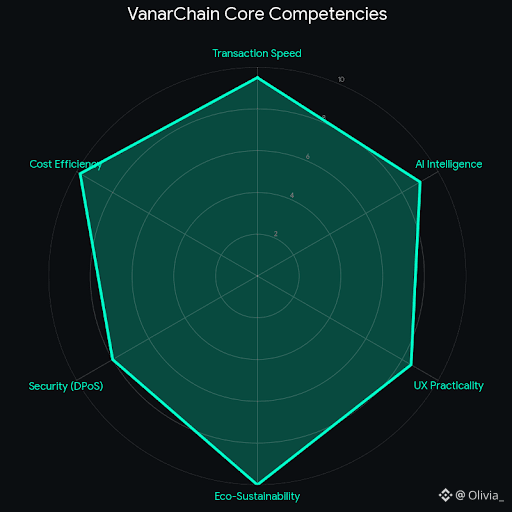
One of the first things people notice about VanarChain is its focus on speed and low cost. Transactions are designed to be quick, and fees are kept low enough that small actions actually make sense. This matters more than it sounds. When sending a token costs too much or takes too long, users hesitate. When fees are low and predictable, people are more comfortable interacting, experimenting, and building habits around the network. VanarChain is clearly designed with this everyday usage in mind.
Another important aspect is that VanarChain is compatible with the Ethereum Virtual Machine. For developers, this removes a major barrier. They don’t need to learn an entirely new language or framework to build on VanarChain. Tools they already understand can be reused, projects can be migrated more easily, and development becomes less risky. This kind of compatibility helps ecosystems grow naturally instead of forcing people to start from scratch.
VanarChain also takes a slightly different approach to how the network is secured. Instead of relying only on traditional models like Proof of Work or basic Proof of Stake, it incorporates ideas around reputation and validator performance. The idea is simple: validators who behave responsibly and contribute positively to the network are more trusted. This encourages long-term participation rather than short-term extraction. While no system is perfect, this approach shows that VanarChain is thinking carefully about incentives and sustainability.
The VANRY token plays a central role in the ecosystem. It is used for transaction fees, staking, and participation across the network. Rather than positioning the token as a speculative asset first, it is treated as a functional tool. Every time someone interacts with the chain, VANRY is part of the process. This creates a direct connection between network usage and token demand, which is healthier than relying purely on market excitement.
The supply structure of VANRY is designed with a long time horizon in mind. The total supply is capped, and new tokens are released gradually through validator rewards. A significant portion of future supply is dedicated to securing the network, while smaller portions are allocated for development and community initiatives. Notably, there is no large allocation reserved solely for the founding team, which reflects an intention to keep ownership more distributed over time.
Beyond the technical foundation, VanarChain is also focused on real applications. Gaming is one of its strongest areas of interest. Games require fast interactions, low fees, and reliable performance. Players don’t want to think about block confirmations or gas prices; they just want the game to work. VanarChain’s design fits naturally into this environment, making it easier for developers to integrate digital ownership, in-game assets, and marketplaces without harming the player experience.
NFTs are another area where VanarChain aims to be practical rather than flashy. Minting, trading, and managing digital assets should not feel stressful or expensive. By keeping fees low and transactions fast, the network allows creators to focus on creativity instead of logistics. This also makes experimentation more accessible, especially for smaller creators who can’t afford high upfront costs.
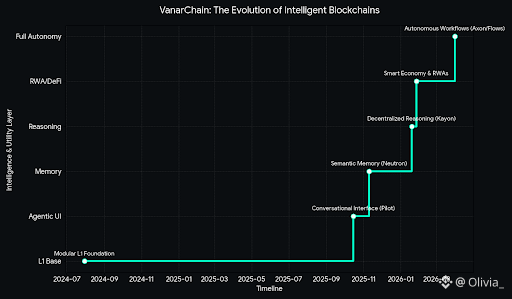
One of the more forward-looking aspects of VanarChain is its integration of artificial intelligence at the infrastructure level. Instead of treating AI as a separate add-on, the project is exploring ways to embed intelligence directly into how data is stored, analyzed, and used. This opens the door to smarter applications that can adapt, learn, and respond without relying entirely on external systems.
For example, VanarChain has introduced tools designed to handle data more efficiently. Large files can be compressed and stored in a way that reduces cost while maintaining usefulness. Analytical layers help applications understand on-chain activity better, which can improve user experiences over time. These tools are not meant to be abstract innovations; they are meant to support real products that people can use.
VanarChain also shows interest in working with businesses and brands that want to explore blockchain without diving into unnecessary complexity. Loyalty programs, digital engagement, and asset tracking are all areas where blockchain can add value if implemented carefully. By offering infrastructure that is flexible and easy to integrate, VanarChain lowers the barrier for non-crypto companies to experiment responsibly.
Partnerships play a role in this strategy. Instead of chasing headlines, VanarChain focuses on collaborations that add real capability to the ecosystem. Working with infrastructure providers, payment companies, and technology partners helps connect the blockchain world with existing systems. This is important because adoption rarely happens in isolation. People and businesses prefer solutions that fit into what they already use.
Community growth is another area where VanarChain takes a measured approach. Rather than relying purely on speculation or aggressive incentives, the ecosystem encourages participation through usage. Tools, applications, and experiences are designed to create value first. When people find something useful, they stay. Over time, this leads to more organic growth and a stronger foundation.
There are also ongoing efforts to make the network more accessible. Documentation, developer tools, and user interfaces continue to improve. This may not generate excitement on social media, but it matters a lot for long-term success. A blockchain that is easy to understand and build on will always outlast one that is confusing, no matter how advanced it claims to be.
Like any project, VanarChain faces challenges. The blockchain space is competitive, and attention shifts quickly. New technologies emerge constantly, and user expectations continue to rise. Success will depend on execution, consistency, and the ability to deliver real value over time. There are no guarantees, and VanarChain does not pretend otherwise.
What sets VanarChain apart is not bold promises, but a clear focus on usability, efficiency, and thoughtful design. It does not try to reinvent everything at once. Instead, it improves what already works and integrates new ideas where they make sense. This balanced approach may not appeal to everyone, but it resonates with people who care about long-term progress rather than short-term excitement.
In many ways, VanarChain represents a more mature phase of blockchain development. The focus shifts from proving that technology is possible to making sure it is useful. Speed, cost, reliability, and user experience become priorities, not afterthoughts. This shift is necessary if blockchain is ever going to move beyond niche communities.
As the ecosystem grows, VanarChain will likely continue refining its tools, expanding its partnerships, and listening to feedback from developers and users. The project is still evolving, and its final shape will depend on how well it adapts to real-world needs.