

A Signal of Utility-Driven DeFi Rather Than Short-Term Speculation
I’ve been closely observing how DeFi activity behaves on different networks, and one thing that caught my attention recently is the stablecoin dynamics on Plasma through its integration with Aave v3. What stood out to me was the notably high ratio of stablecoins supplied compared to those borrowed. From my perspective, this pattern says a lot about the type of activity forming on the network and the kind of users it is attracting.
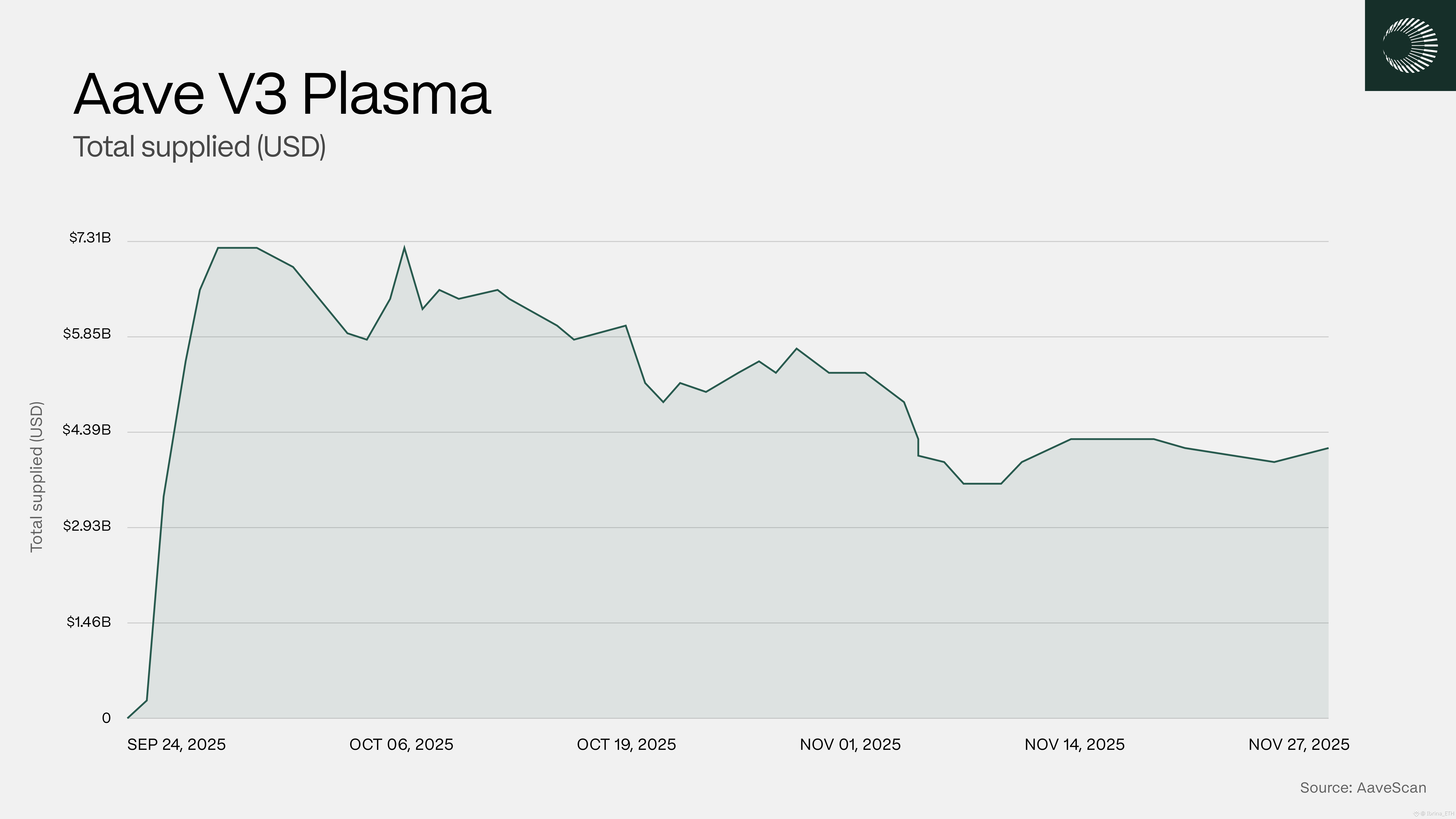
Rather than aggressive leverage or short-term trading behavior, this ratio points toward a more measured and utility-focused use of DeFi. Stablecoins are being supplied in meaningful amounts, suggesting that users see Plasma as a reliable environment to park and deploy stable value. To me, this feels less like speculative experimentation and more like infrastructure gradually being put to work.
When I think about what a high stablecoin supply ratio really means, I see it as a signal of confidence. Users are willing to provide liquidity because they expect the system to function smoothly over time. Borrowing activity exists, but it does not appear to dominate the market. This balance matters because it reduces stress on the protocol and supports more predictable behavior across lending pools.
On many DeFi platforms, activity is often driven by cycles of aggressive borrowing, high leverage, and rapid exits. While that can generate volume, it also introduces instability. In contrast, the pattern visible on Plasma’s Aave v3 markets suggests that users are approaching DeFi with a longer horizon. Stablecoins are being used as tools for yield and liquidity rather than fuel for constant risk-taking.
From a practical standpoint, this setup allows users to earn yield on stable assets while maintaining exposure to relatively low volatility. Supplying stablecoins becomes a way to put idle capital to work without relying on price movements. Borrowing, when it happens, appears to be more intentional and measured. I see this as a healthier foundation for DeFi participation, especially on a network designed around stablecoin usage.
Comparing this to more general-purpose chains, the difference in behavior is noticeable. On platforms where attention shifts quickly between assets and incentives, lending markets can become crowded with speculative demand. Plasma’s environment feels more focused. The design choices of the network naturally attract users who value stability, efficiency, and predictable outcomes. That focus shows up clearly in how Aave v3 is being used.
Over the long term, I believe this type of stablecoin activity can support more sustainable DeFi growth. A lending ecosystem built around steady supply rather than excessive borrowing is better positioned to weather market changes. It also creates space for integrations that depend on reliability, such as payment-related DeFi tools or treasury-style use cases.
Another aspect I find important is the educational signal this sends. A high stablecoin supply ratio demonstrates that DeFi does not need constant speculation to remain active. It shows how lending protocols can function as financial infrastructure rather than short-term opportunity engines. Plasma’s integration with Aave v3 highlights how purpose-built networks can shape user behavior simply through design and incentives.
As I continue following Plasma development, this stablecoin-focused lending activity reinforces my view that the network is aligning itself with long-term utility. Instead of chasing volume for its own sake, it appears to be building an environment where stable assets are used consistently and responsibly. That kind of progress may not always look exciting on the surface, but it tends to matter most over time.
From my perspective, Plasma’s Aave v3 markets offer a glimpse into what mature DeFi usage can look like when stability is prioritized. Strong stablecoin participation, balanced lending behavior, and measured growth together form a foundation that feels built to last rather than rush.
When stablecoins are used for steady lending instead of constant speculation, DeFi starts to behave like real financial infrastructure.
What does it say about a DeFi network when most users prefer supplying stablecoins instead of chasing leverage?