
Since its founding in 2018, the Dusk Foundation has focused on a question most blockchains deliberately avoided:
How do you build decentralized financial infrastructure that regulators can accept — without destroying privacy? 🤔
Early Web3 chose avoidance over alignment.
Transparency was treated as a replacement for compliance, and permissionlessness was framed as an absolute good.
That approach unlocked innovation 🚀
But it also created structural limits.
@Dusk starts from a different premise:
Regulated finance is not a temporary phase — it is the environment where global capital actually operates.
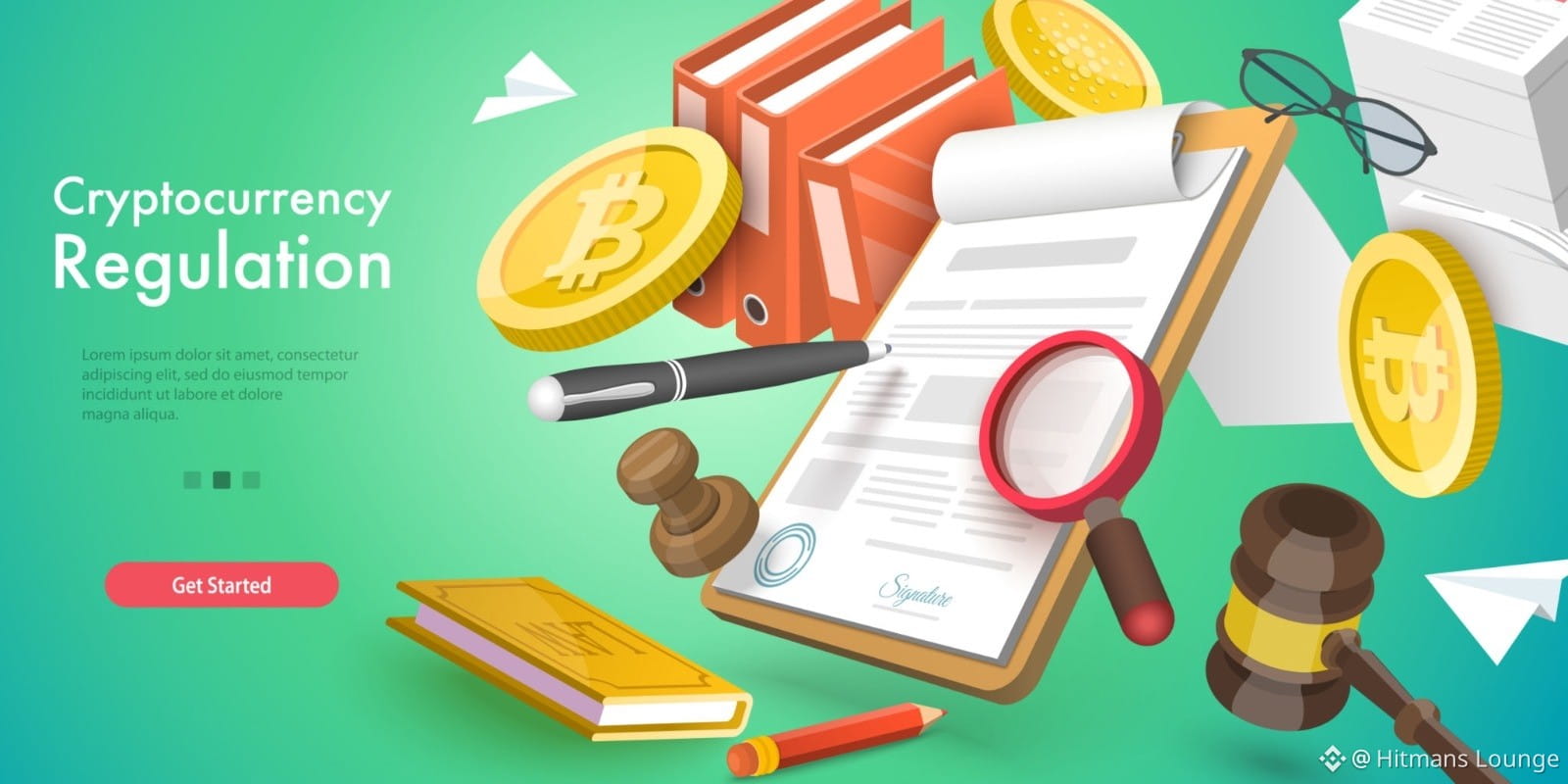
🧠 Why Permissionless Design Breaks Down at Scale
Permissionless systems work well for experimentation.
Financial markets are not experiments.
They require:
✅ Legal accountability
✅ Auditability
✅ Enforceable rules
✅ Participant protection
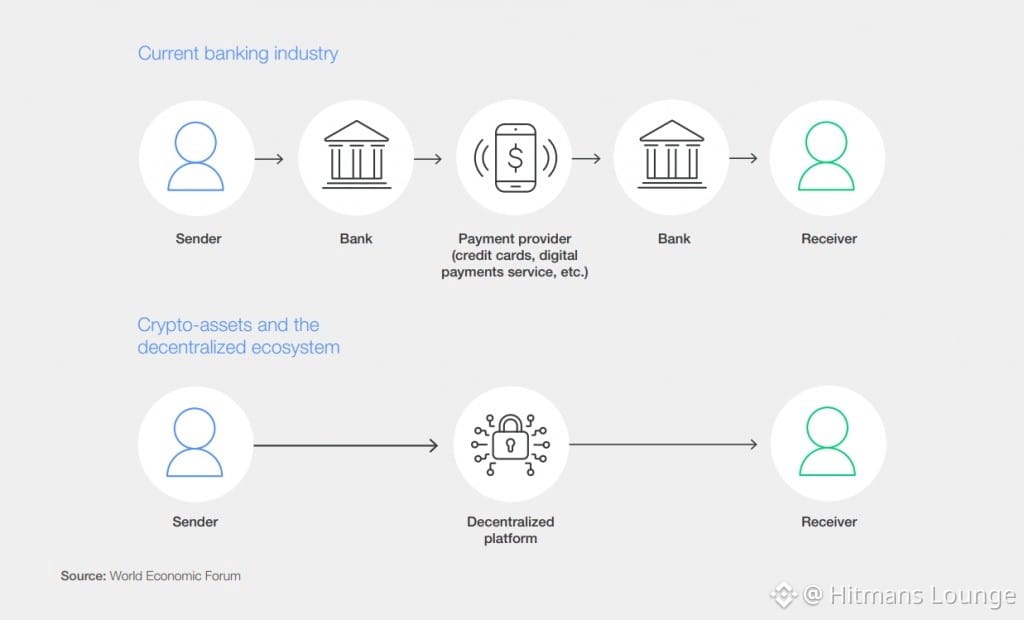
Pure transparency — where every transaction and balance is public — becomes a liability when:
⚠️ Institutions are involved
⚠️ Strategies must remain confidential
⚠️ Regulations mandate data protection
This is why most institutional capital still lives off-chain.
$DUSK doesn’t reject decentralization —
👉 it redefines it for financial reality.
🔐 Privacy and Compliance Are Not Opposites
One of crypto’s biggest myths is that privacy and compliance can’t coexist.
In reality, traditional finance already works this way:
🏦 Transactions are private by default
📊 Audits happen selectively
⚖️ Regulators gain access only when necessary
Dusk mirrors this structure at the protocol level.
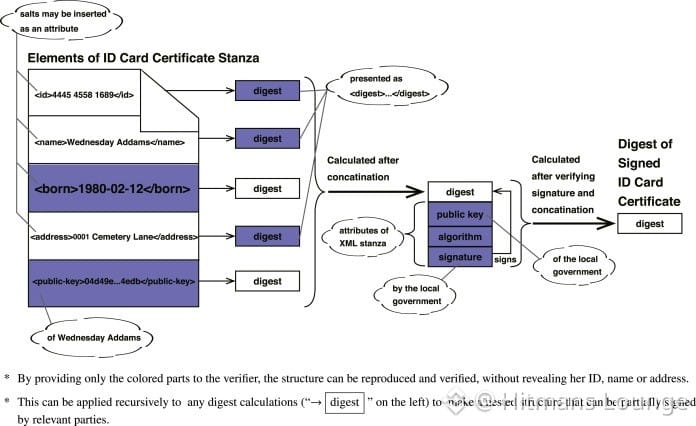
Instead of exposing everything to everyone, Dusk enables:
🔍 Selective disclosure
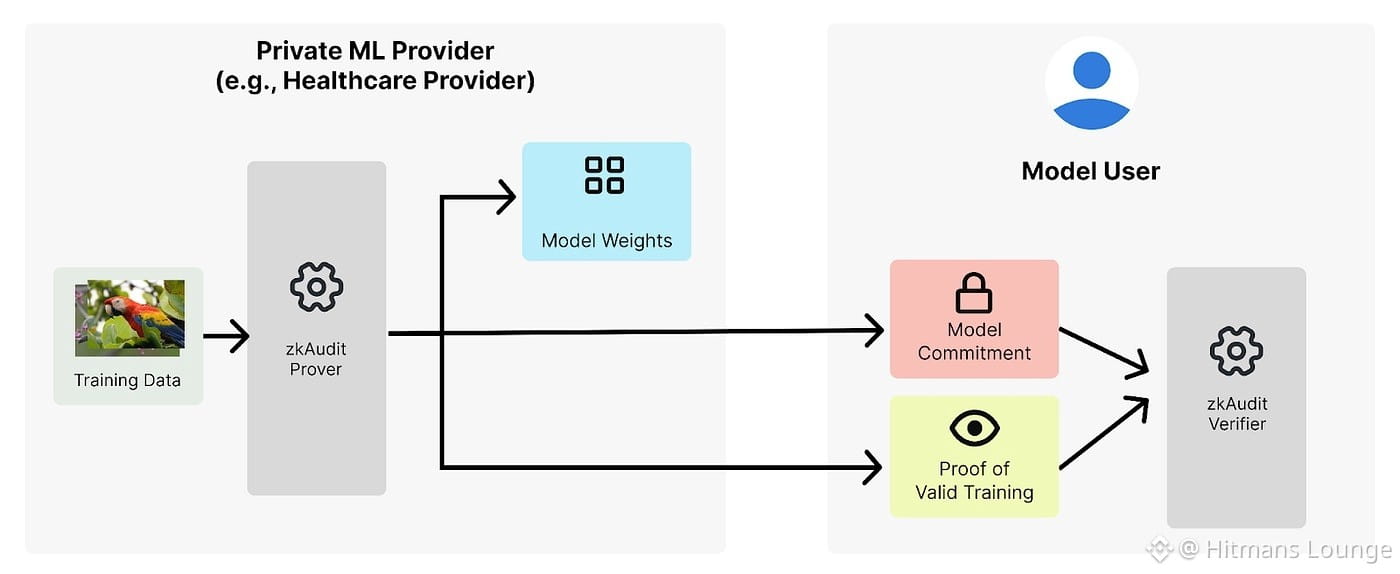
🧾 Verifiable compliance proofs
🛡️ Privacy-preserving auditability
This allows institutions to participate without violating regulations or exposing sensitive data.
🏦 Built for Institutions — Not Ideology
Dusk is intentionally opinionated.
It is designed for:
• Regulated DeFi
• Financial institutions
• Tokenized securities
• Real-world asset (RWA) markets
These users don’t want governance experiments or speculative volatility baked into the base layer.
They want:
📈 Predictable behavior
🕰️ Long-term support
📜 Regulatory alignment
Dusk provides infrastructure that institutions can actually build on — without legal ambiguity.
⚖️ The Cost of Ignoring Regulation
Most blockchains postponed compliance questions.
Now they face:
❌ Fragmented solutions
❌ Bolt-on identity layers
❌ External compliance tooling
Dusk integrates these requirements natively, reducing:
✔️ Operational risk
✔️ Regulatory friction
✔️ Long-term uncertainty
This is what separates designed compliance from retrofitted compliance.
🔮 Comments
The future of finance won’t be fully permissionless.
It won’t be fully centralized either.
It will be:
🔐 Private
📊 Auditable
⚖️ Regulated
⏱️ Predictable
Dusk wasn’t built to resist that future — it was built for it.
#Dusk #RegulatedDeFi #InstitutionalBlockchain #RWA #Web3Infrastructure