Vanar Chain isn’t competing for the loudest headlines or the fastest hype cycle. The focus is structural with long-term infrastructure designed to support where digital ownership is heading, not where short-term speculation is today.
The direction is deliberate.
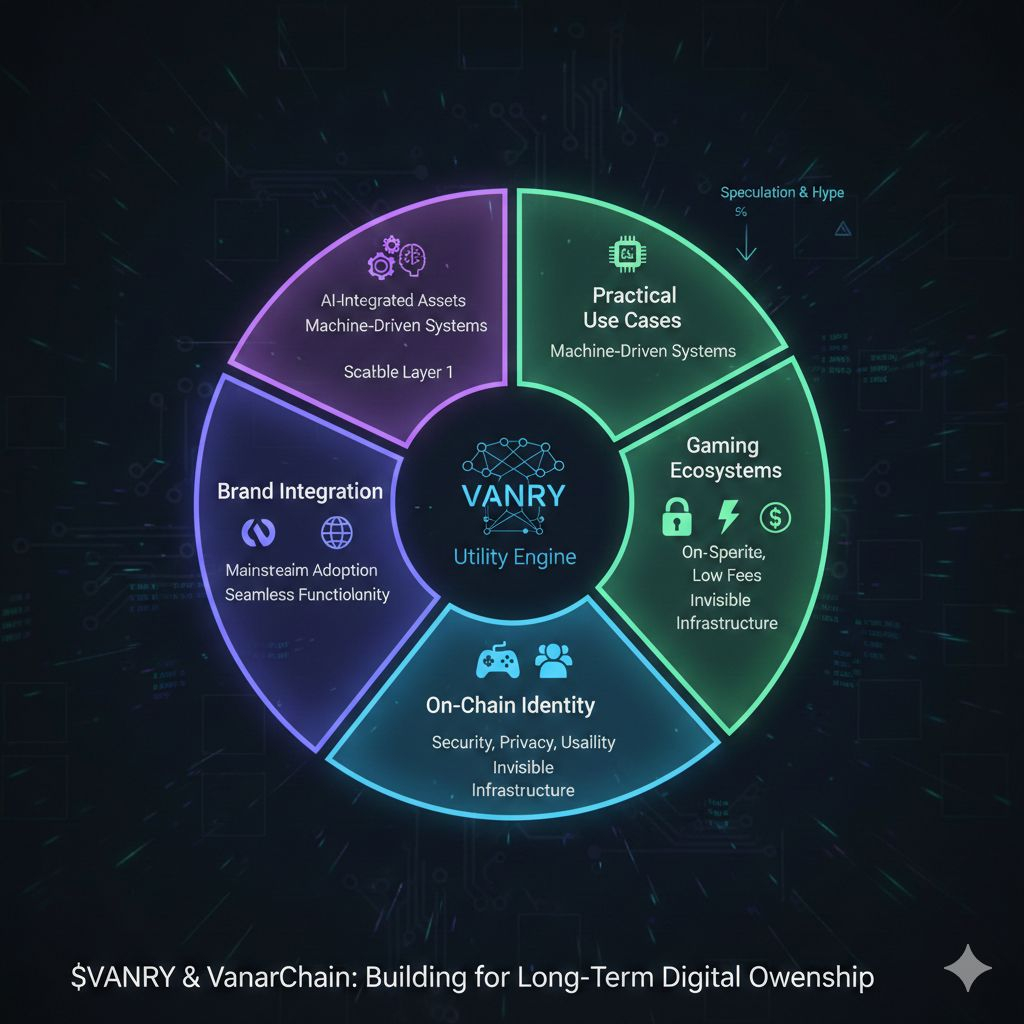
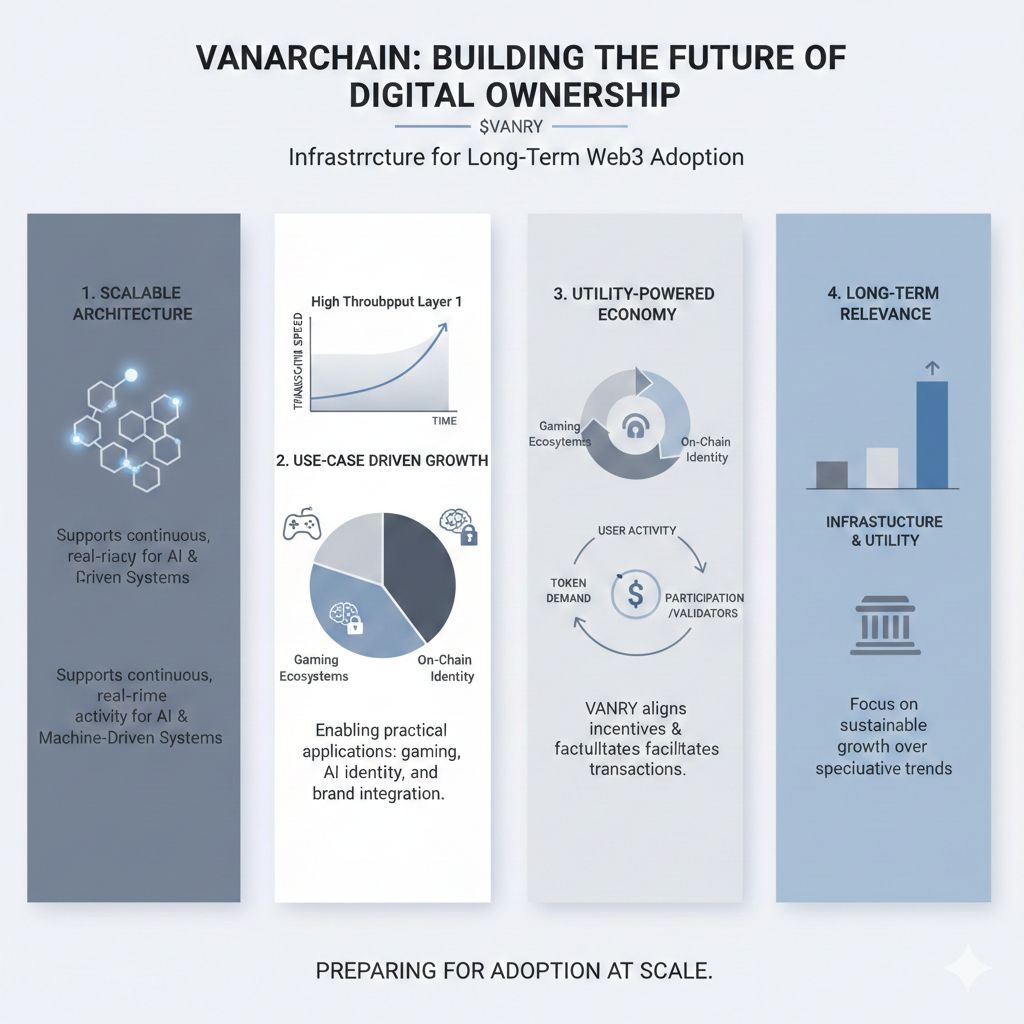
As blockchain technology matures, the next phase of growth will likely be driven by practical use cases. AI-integrated assets, for example, require environments capable of handling continuous, autonomous activity. Machine-driven systems don’t pause. They transact, adapt, and operate in real time. That demands scalable, efficient Layer 1 architecture.
Gaming ecosystems are another pillar. True digital ownership within interactive environments requires speed, low fees, and seamless user experience. If blockchain adds friction, adoption slows. If it becomes invisible infrastructure, adoption accelerates.
On-chain identity also plays a role in the broader shift. As financial services and digital platforms move toward decentralized frameworks, identity solutions must balance security, privacy, and usability. Infrastructure that supports this evolution quietly without overwhelming the user becomes increasingly valuable.
Then there is brand integration. Mainstream adoption does not happen through crypto-native communities alone. It expands when established brands embed blockchain functionality in ways that feel natural to everyday users. When someone benefits from ownership without needing to understand the technical layers beneath it, the model works.
That is where long-term relevance is built. VANRY functions as the utility engine within this ecosystem with facilitating transactions, supporting network participation, and aligning incentives between users and validators. As activity increases across applications, token demand reflects real usage rather than temporary narrative cycles.
The broader Web3 landscape is gradually shifting from speculation toward functionality. Performance metrics, developer engagement, and sustained user activity are becoming more important than trending topics. Networks that prioritize scalability, efficiency, and practical integration are better positioned for durable growth.
This is a different strategy.
It’s not about chasing momentum, it’s about preparing for adoption at scale. Most will continue to trade the chart. A smaller group will examine the foundation. Over time, infrastructure tends to matter more than attention.