

When people talk about privacy in crypto, the conversation usually gets emotional very fast. Some think privacy means hiding everything from everyone. Others think regulation means exposing everything to the public. In reality, both views miss how finance actually works.
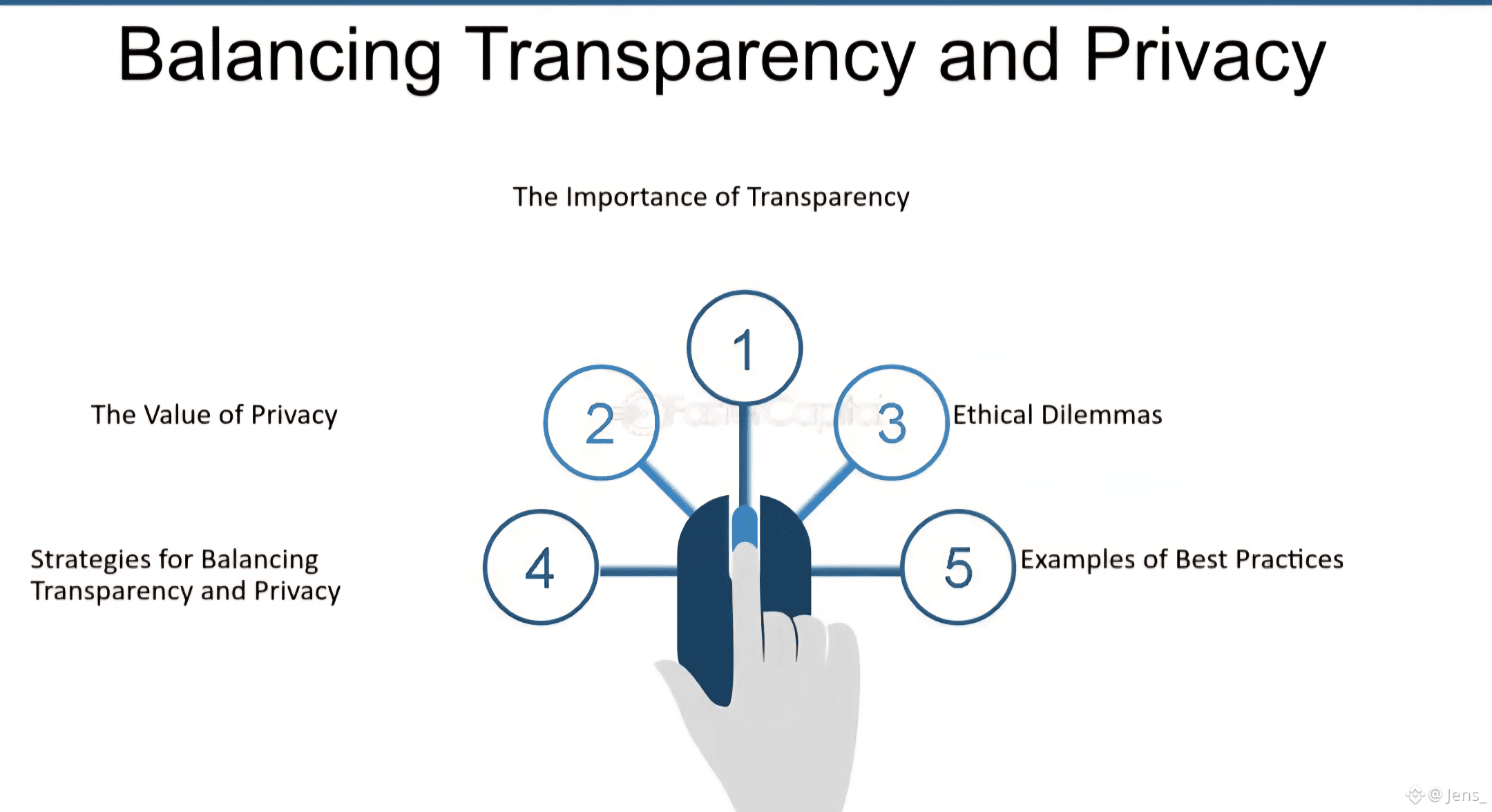
Real financial systems have always been built on controlled privacy. Your bank does not publish your balance on a public website, but regulators can still audit it. Your transactions are private by default, yet institutions remain accountable. This balance is not new. It is normal.
What makes Dusk Foundation interesting to me is that it understands this reality and designs its technology around it, instead of fighting it.
Privacy is not the problem, lack of structure is
The biggest issue regulators have with many privacy-focused blockchains is not privacy itself. It is the absence of structure. If a system cannot prove who is allowed to participate, whether rules were followed, or how activity can be audited when required, then that system simply cannot support serious financial products.
Many privacy chains take an extreme approach. Everything is hidden, always. That sounds appealing on the surface, but it breaks the moment you introduce regulated assets, institutions, or real-world finance.
Dusk does not treat regulation as an enemy. It treats it as a constraint that must be designed for from day one.
Selective disclosure changes the whole narrative
One concept that really defines Dusk’s approach is selective disclosure. Instead of forcing users to choose between full transparency and full secrecy, Dusk allows privacy with the option to prove compliance when needed.
That is exactly how financial systems operate in the real world. You do not reveal sensitive information unless there is a valid legal reason to do so. At the same time, you must be able to prove that rules were followed.
This approach removes the false choice between privacy and accountability. You can have both, if the system is designed properly.
Zero-knowledge is used for real reasons, not hype
Zero-knowledge technology often gets marketed like magic. On Dusk, it serves a very practical purpose.
With zero-knowledge proofs, participants can prove that certain conditions are met without exposing the underlying private data. That means compliance can be verified without turning the blockchain into a public surveillance tool.
This is a big deal for institutions. It allows them to operate on-chain while respecting user confidentiality, internal policies, and regulatory requirements at the same time.
Why institutions actually care about this
Institutional capital does not move based on narratives or trends. It moves when systems feel safe, predictable, and legally compatible. A blockchain can be fast and cheap, but if it cannot support audits, reporting, and compliance frameworks, institutions will never touch it.
Dusk is clearly building for that audience.
Regulated DeFi, tokenized securities, and real-world asset platforms all require privacy with proof. They require systems that can handle oversight without sacrificing confidentiality. This is the space Dusk is targeting, and it is not a short-term play.
This is how real adoption happens
In my opinion, mainstream adoption will not come from chains that ignore regulation, and it will not come from chains that expose users completely. It will come from infrastructure that feels familiar to institutions while still leveraging blockchain innovation.
Dusk’s design feels closer to how financial markets already work. Privacy by default. Accountability when required. Rules enforced through cryptography instead of trust.
That is not flashy, but it is durable.
My honest view
When I look at Dusk Foundation, I do not see a project chasing hype. I see a project trying to solve the uncomfortable problem most people avoid: how to bring privacy into regulated finance without breaking either side.
Privacy is not anti-regulation. Poorly designed privacy is.
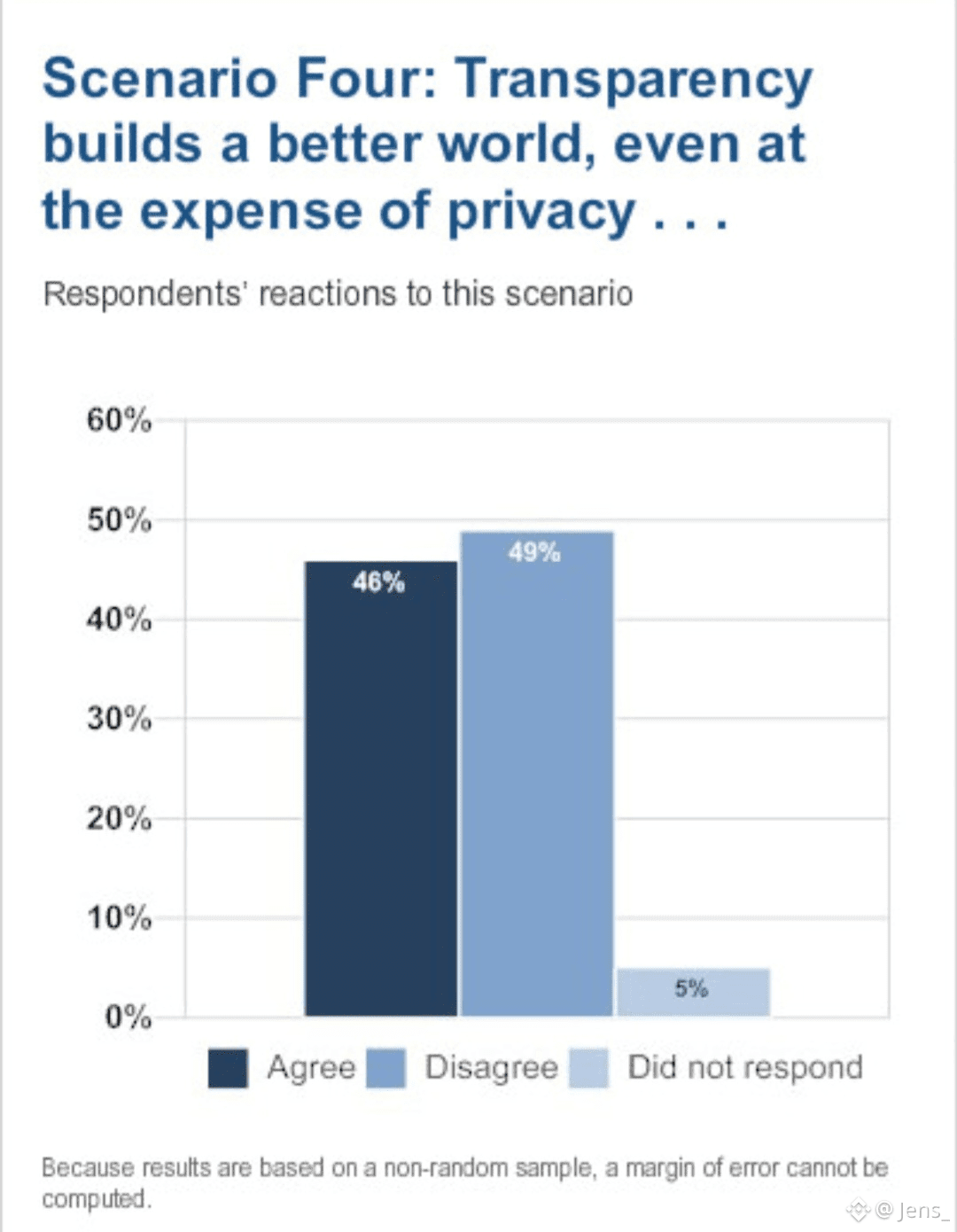
If Dusk continues to align cryptographic privacy with real regulatory demands, it positions itself as infrastructure that institutions can actually use, not just talk about. And in this space, long-term relevance always matters more than short-term attention.
