The 2026 Paradigm Shift: Invisible Tech & Mainstream Audiences
The era of clicking buttons for pennies is over. In 2026, the Web3 gaming landscape has completed its transformation from speculative "Play-to-Earn" (P2E) models to a sophisticated ecosystem defined by high-fidelity gameplay and sustainable economies.
Here is the outlook for Web3 gaming in 2026 and the trends defining this multibillion-dollar frontier.
🎯 The 2026 Paradigm Shift: Invisible Tech & Mainstream Audiences
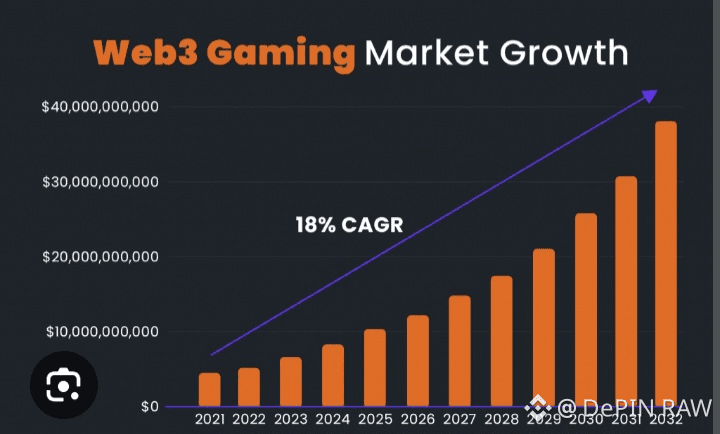
The industry has learned critical lessons from its early days. The focus for 2026 is on removing friction and building for the billions of traditional gamers, not the millions of crypto-natives.
· Building for "Normal Gamers": A leading industry voice states plainly: "The only way to save crypto gaming is to not build for crypto gamers". Successful studios are now prioritizing seamless onboarding—replacing seed phrases with social logins and abstracting away wallets—so players interact with fun, not with blockchain complexity.
· From "Earn" to "Engage & Own": The hyper-inflationary "grind-to-earn" model is gone. Rewards are now tied to skill-based progression, like tournament wins and high leaderboard ranks, creating sustainable meritocracies. True digital asset ownership remains the core value proposition, but as a feature that enhances the experience, not defines it.
· Sustainable Economies as a Priority: The key metric for studios is now Return on Reward Spend (RORS)—ensuring the ecosystem brings in more value than it gives out. This has led to stablecoin-priced in-game items and carefully balanced token sinks, moving away from the volatile, speculative economies of the past.
1. From "Play-to-Earn" to "Play-and-Earn"
The industry has moved away from games that feel like chores. The 2026 meta is Play-and-Earn, where the primary driver is entertainment. Token rewards are now viewed as a secondary "loyalty bonus" rather than a primary salary. This shift has stabilized game economies, preventing the hyperinflationary crashes seen in early-generation GameFi projects.
2. The Rise of AAA Graphics & "Invisible Web3"
The "blockchain" part of gaming has gone under the hood. 2026’s top titles are built on Unreal Engine 5, offering visual fidelity that rivals PlayStation 5 or PC giants. Most notably, the onboarding friction is gone: players can sign up with social accounts, and wallets are generated automatically in the background. You are playing a world-class game; you just happen to own your assets.
3. Mobile-First Dominance
While early Web3 games were browser-based, 2026 is the year of mobile. With the resolution of major app store disputes regarding NFT integration, we are seeing a surge in "snackable" mid-core mobile games. These titles utilize Google Play and Apple App Store compatible marketplaces, bringing Web3 to the 3 billion global mobile gamers.
4. Fully On-Chain Games (Autonomous Worlds)
A significant niche trend in 2026 is the rise of Fully On-Chain Games (FOCG). Unlike standard Web3 games that only store assets on-chain, FOCGs store the entire game logic and state on the blockchain. These "Autonomous Worlds" are censorship-resistant and permanent; as long as the blockchain exists, the game world lives on, even if the original developers disappear.
5. Shifts in Token Utility & Governance
Tokenomics have matured significantly. In 2026, we see:
Dynamic NFTs: In-game items that level up and change metadata based on player achievements.
True DAO Governance: Players aren't just voting on colors; they are voting on expansion packs, map changes, and revenue-sharing models.
Interoperability: Leading ecosystems like Immutable and Polygon allow players to use certain skins or achievements across multiple different game titles.
6. Major 2026 Launches to Watch
The "Great Build" of 2023–2025 is finally delivering. Keep an eye on the Binance Games Hub for updates on major franchise expansions and highly anticipated MMORPGs that are slated for full global release this year, moving out of their long-standing "Alpha" and "Beta" phases.
🔮 Future Outlook: Ecosystems Over Isolated Games
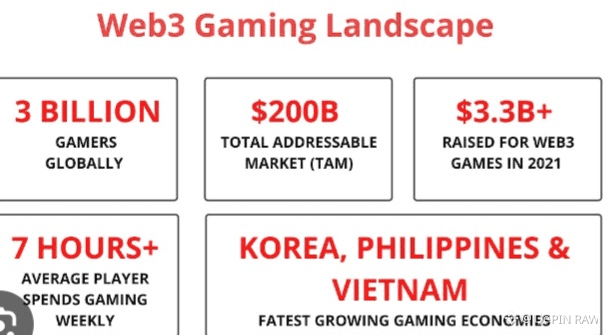
The trajectory for the rest of the decade is clear. Success will belong to projects that build interconnected ecosystems, not isolated titles. We'll see more projects like Illuvium, which offers multiple interconnected game modes sharing assets, and Pixels, which is expanding into a multi-app ecosystem.
The fusion of AI for dynamic content and persistent virtual worlds will create living game economies that react to player behavior. Ultimately, the winning formula for Web3 gaming in 2026 is this: prioritize fun, hide the complexity, and build sustainable worlds that players want to inhabit for years, not just profit from for weeks.
#Web3Gaming #BlockchainGames #P2E #CryptoGaming
Conclusion
In 2026, Web3 gaming is no longer a sub-genre; it is becoming the standard for the digital economy. The focus has shifted from "how much can I make?" to "how much do I own?" As ownership becomes a default player expectation, the bridge between traditional gaming and Web3 will finally disappear.