

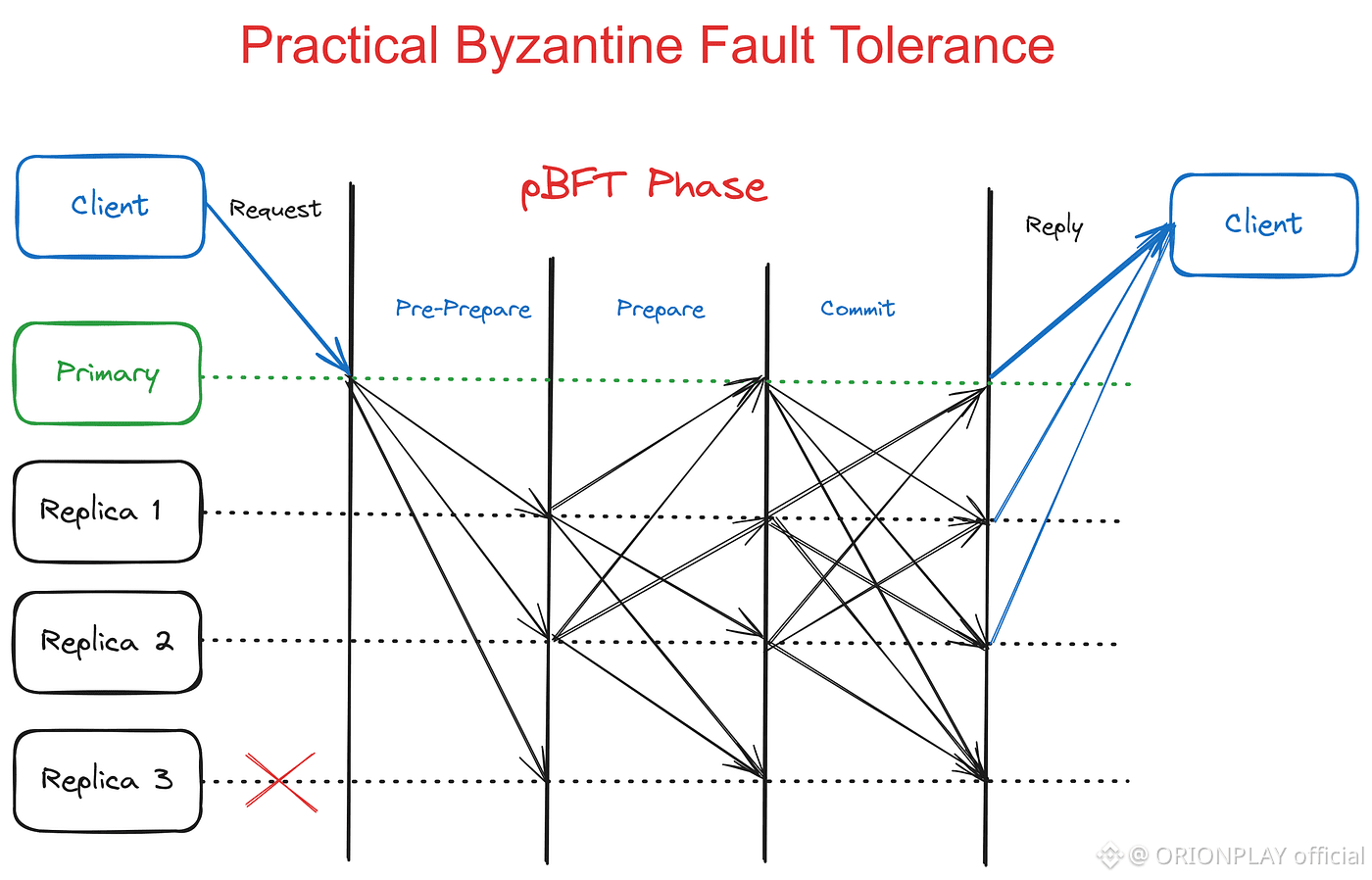
Distributed systems fail in three predictable ways.
Nodes lie.
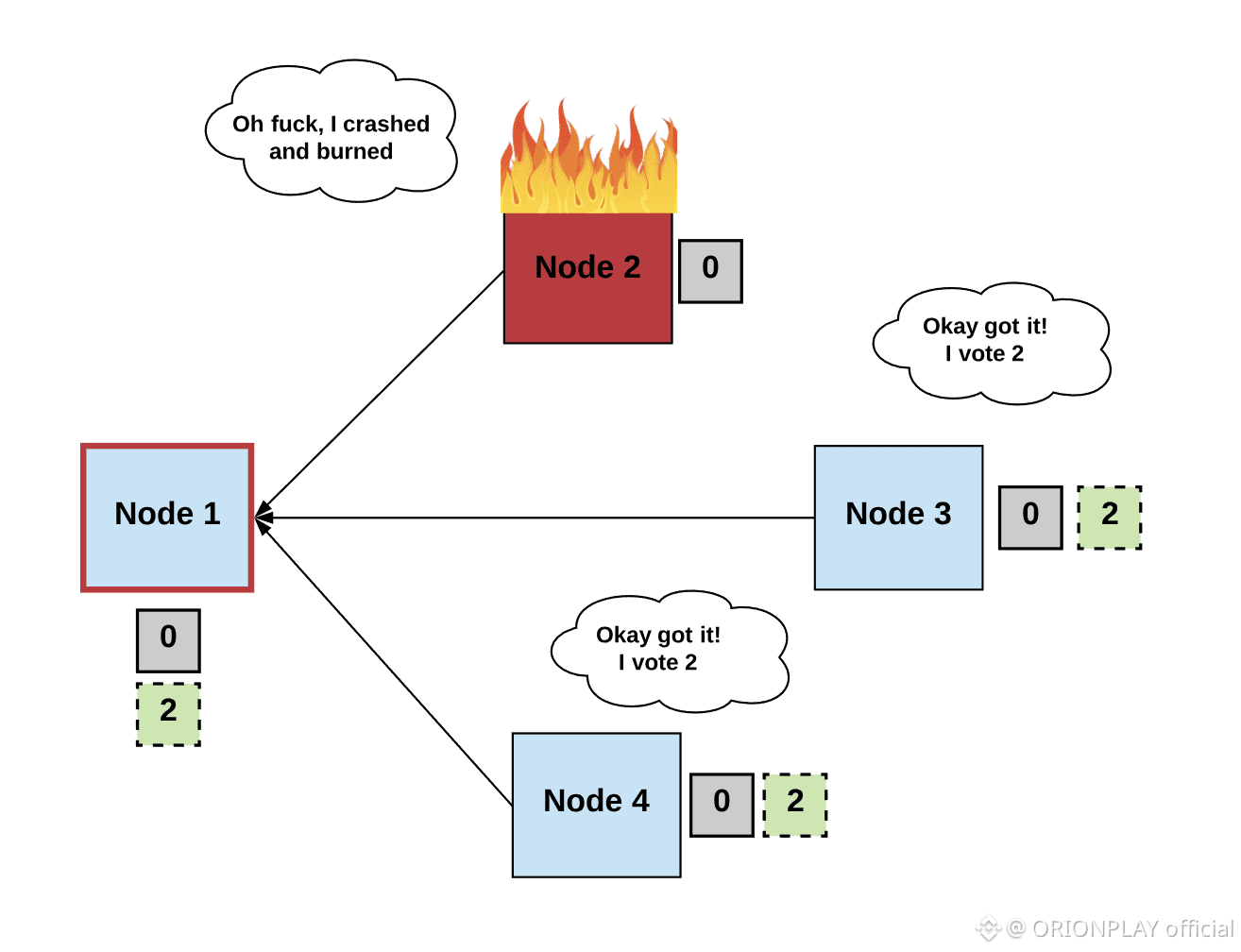
Nodes leave.
Nodes vanish.
Most protocols pretend one of these will not happen.
Walrus assumes all three happen constantly — and designs storage around that assumption.
This is not paranoia.
This is realism.
The Problem Is Not Failure — It’s Partial Failure
When a server dies cleanly, systems recover easily.
When a node behaves maliciously, systems can detect it.
The real enemy lives in the middle:
Nodes that respond sometimes
Nodes that send correct data once, incorrect data later
Nodes that disappear mid-epoch
Nodes that reappear without memory
Walrus treats partial failure as the default state of the network.
That single assumption reshapes everything.
Byzantine Behavior Is Not an Edge Case
Byzantine faults are not theoretical villains.
They are:
Disk corruption
Network partitions
Software bugs
Misconfigured operators
Incentive-misaligned actors
Walrus does not ask whether nodes are honest.
It asks:
“What fraction can be dishonest without killing memory?”
The answer it builds around is strict, mathematical, and unforgiving.
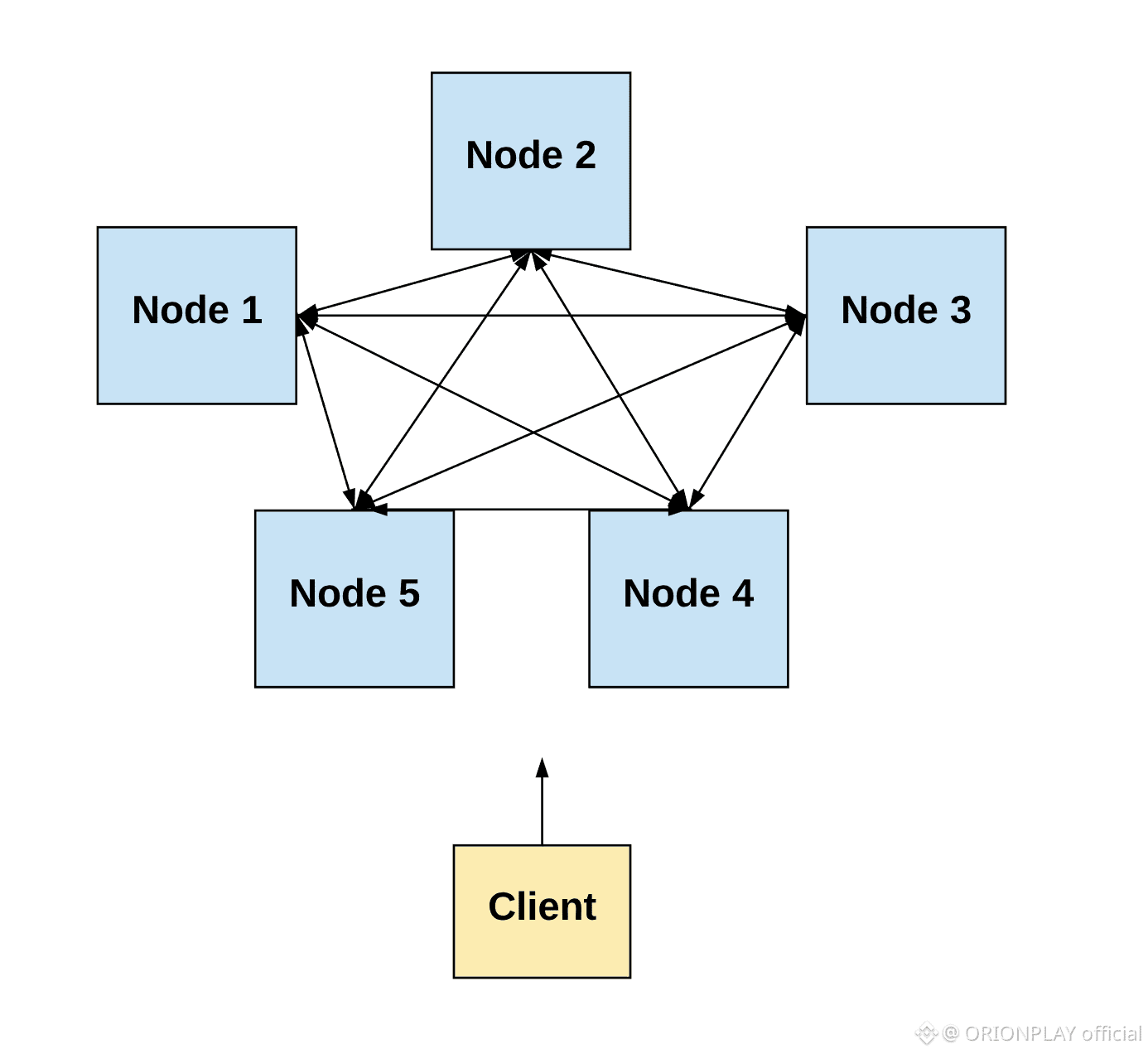
3f + 1: The Quiet Backbone of Survival
Walrus operates under a simple but powerful rule:
For every 3f + 1 storage shards,
At most f can be faulty,
And the system still survives.
This is not optimism.
This is a boundary.
Everything — encoding, recovery, staking, committees — is shaped to ensure this threshold is never crossed.
Memory does not depend on trust.
It depends on quorum geometry.
Epochs: Why Walrus Refuses to Assume Stability
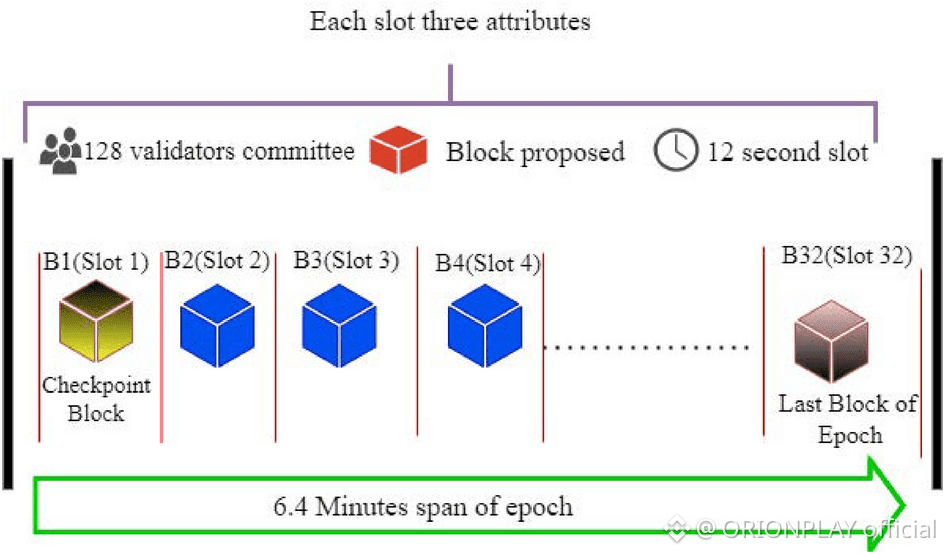
In Walrus, time is segmented.
Each segment is an epoch.
Why?
Because nodes are not permanent.
Hardware fails.
Operators quit.
Stake moves.
Economics shift.
Instead of resisting change, Walrus contains it.
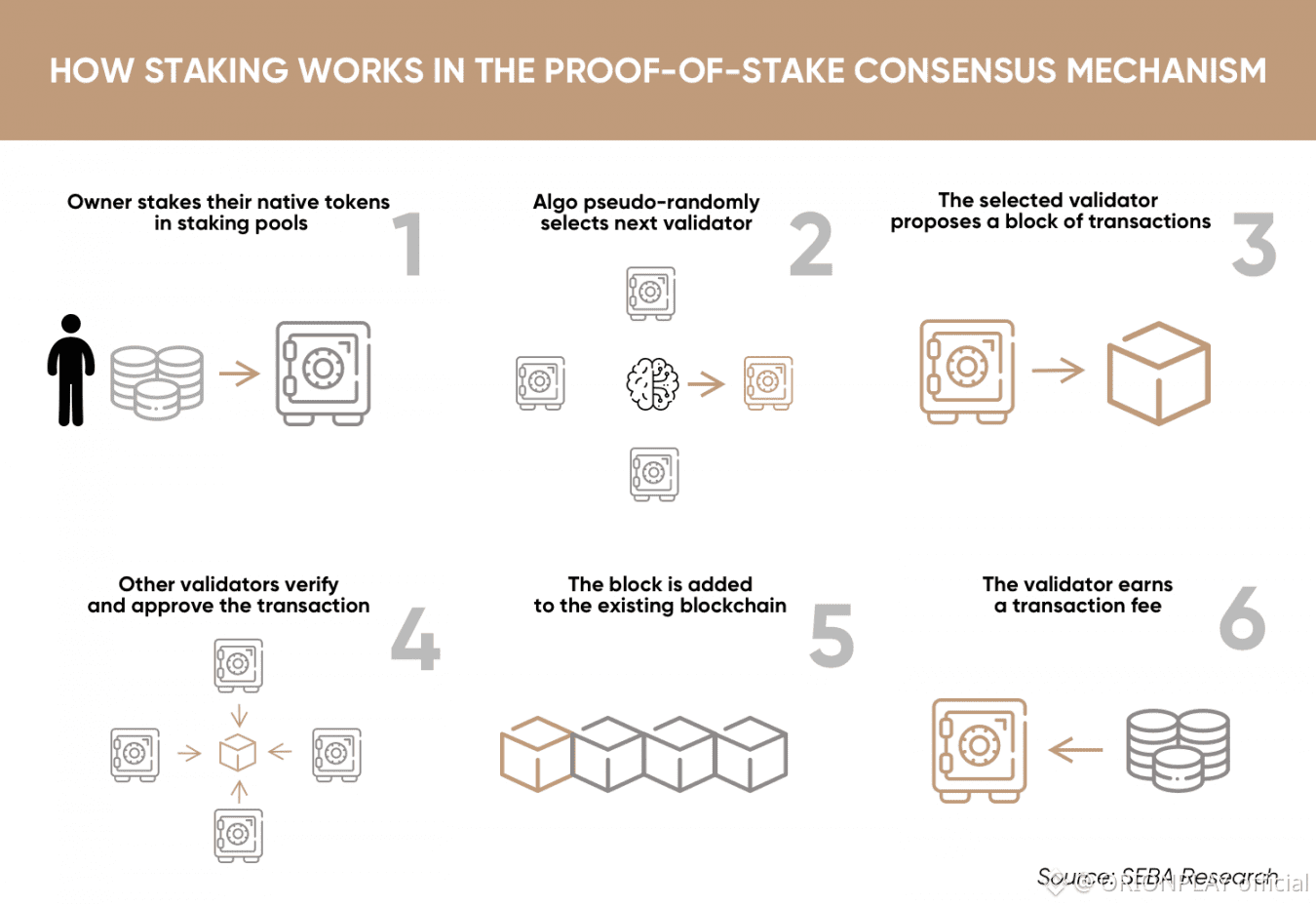
During each epoch:
A committee is fixed
Storage responsibility is clear
Proofs are evaluated
Rewards and penalties accrue
At epoch boundaries:
Responsibility migrates
Memory transfers without rewriting
Slivers recover themselves
Availability remains continuous
Change becomes routine instead of catastrophic.
When Writers Misbehave
A malicious writer can:
Upload inconsistent slivers
Attempt to poison reconstruction
Try to trick nodes into storing garbage
Walrus responds coldly.
Every reader:
Reconstructs data independently
Re-encodes it
Recomputes commitments
Verifies consistency against on-chain facts
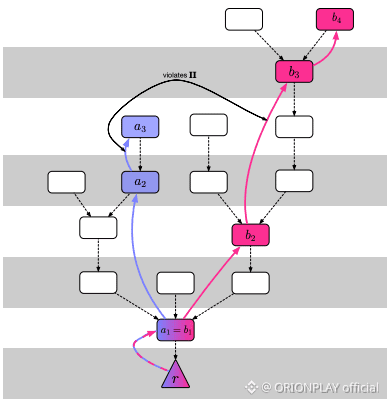
If inconsistency exists, all honest readers reject the blob identically.
No forked realities.
No “some users see it, some don’t.”
Truth is binary.
Slivers: Memory in Fragments, Not Copies
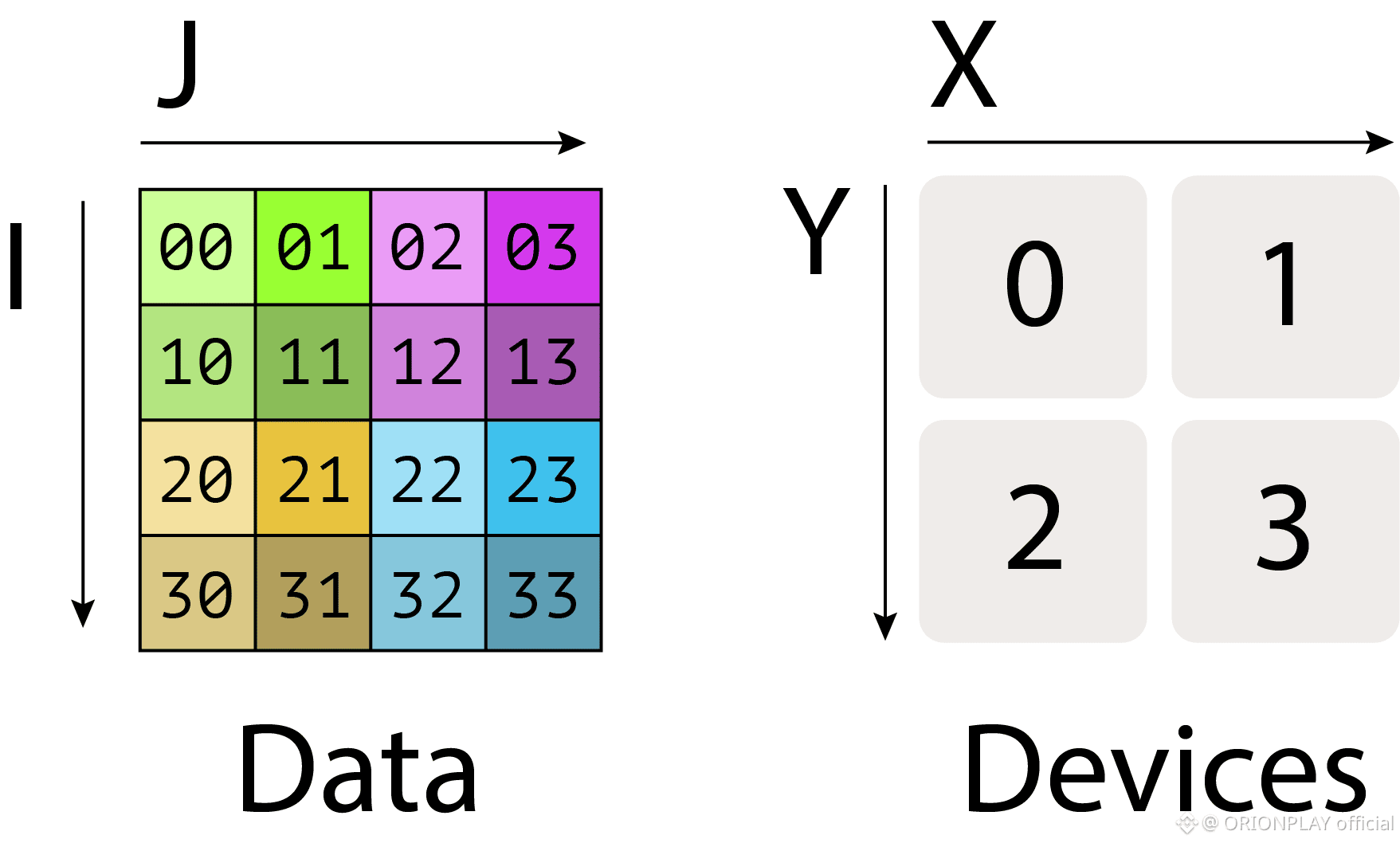
Walrus does not store files.
It stores slivers.
Each node holds:
A primary sliver
A secondary sliver
Commitments proving correctness
No node holds the whole truth.
But enough nodes together always can.
This prevents:
Data monopolies
Targeted censorship
Single-point corruption
Cheap impersonation attacks
Memory is distributed by design — not as an afterthought.
The Genius of Two-Dimensional Recovery
When a node misses its sliver:
It does not ask for the entire blob
It asks neighbors for intersections
It reconstructs only what it lost
Bandwidth scales with damage, not total data.
This matters more than it sounds.
In large networks:
Failures are constant
Full recovery would bankrupt the system
Incremental recovery keeps it alive
Walrus recovers like a living organism — not like a backup restore.
Reading Under Hostility
A Walrus reader:
Does not trust any single node
Does not assume synchrony
Does not require coordination
It requests slivers opportunistically.
It verifies each cryptographically.
It stops the moment reconstruction is guaranteed.
If nodes delay — it waits.
If nodes lie — it discards.
If nodes vanish — it routes around them.
Readers do not negotiate with the network.
They interrogate it.
Storage Proofs That Don’t Suffocate the System
Most decentralized storage systems drown in their own audits.
Every file.
Every epoch.
Every node.
Walrus refuses that treadmill.
Instead:
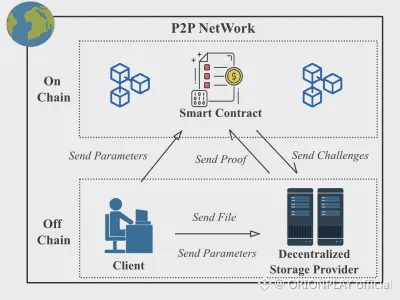
Nodes store slivers for all blobs
Challenges target nodes, not files
Proof cost grows logarithmically
This changes the economics entirely.
Nodes cannot selectively forget.
They cannot optimize dishonesty.
They must remember — or pay.
When Nodes Leave Without Saying Goodbye
Nodes churn.
Some exit gracefully.
Some disappear silently.
Some lose data unexpectedly.
Walrus treats all three the same:
Shards migrate
Recovery protocols activate
Stake absorbs the cost
There is no nostalgia for departed nodes.
Memory belongs to the network — not the machine.
Slashing Is Not Punishment — It’s Physics
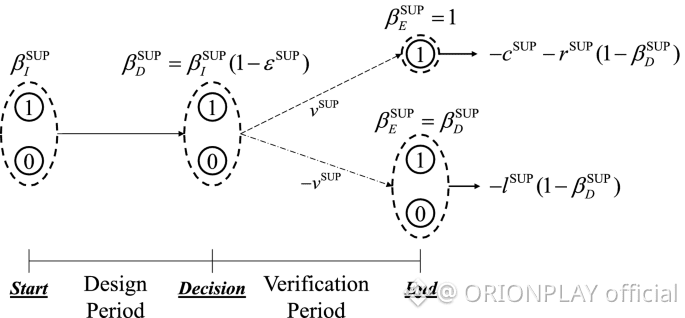
In Walrus, slashing is not moral judgment.
It is conservation of system integrity.
If a node:
Loses shards
Fails challenges
Refuses migration
Disrupts recovery
Capital is burned or redistributed.
This does two things simultaneously:
Compensates honest participants
Makes future misbehavior irrational
Memory becomes the cheapest option.
Why Partial Reads Matter More Than Full Ones
Walrus optimizes for something subtle:
reading only what is needed.
Source symbols:
Appear twice
Exist on multiple nodes
Can be accessed without full decoding
This allows:
Faster reads
Lower latency
Lower compute cost
Smarter caching
Memory retrieval becomes surgical, not brute-force.
What Happens When Too Many Nodes Refuse?
Walrus does not pretend neutrality is absolute.
If more than f nodes deny serving a blob:
Availability is no longer guaranteed
The system converges on rejection
Memory is declared lost — transparently
There is no silent failure.
This honesty matters more than false promises.
The Deeper Pattern: Memory as a Process
Walrus does not treat data as static.
It treats memory as:
Encoded
Verified
Migrated
Challenged
Renewed
Truth is not stored once.
It is maintained continuously.
This is the philosophical shift most systems never make.
Final Thought 🧠
Walrus does not try to prevent failure.
It assumes failure is permanent — and still makes memory work.
Nodes will lie.
Nodes will leave.
Nodes will vanish.
And the data will still be there.

