

Most crypto tokens promise upside.
Very few promise responsibility.
The WAL token does something unusual in this industry:
it makes forgetting expensive, lying irrational, and leaving early painful.
That design choice explains almost everything about Walrus Protocol — and why it deliberately avoided the shortcuts many storage networks embraced.
The Uncomfortable Truth About Storage Economics
Storing data is easy.
Storing data for years, under churn, adversarial behavior, price volatility, and legal pressure — is not.
Most decentralized storage systems collapse under one of these pressures:
Rewards inflate faster than real demand
Nodes exit when prices move against them
Operators optimize for short-term profit
Data survives only as long as incentives remain convenient
Walrus starts from a harsher assumption:
Storage is a long-term obligation, not a short-term opportunity.
WAL exists to enforce that obligation.
WAL Is Not a Reward Token — It Is Collateralized Memory
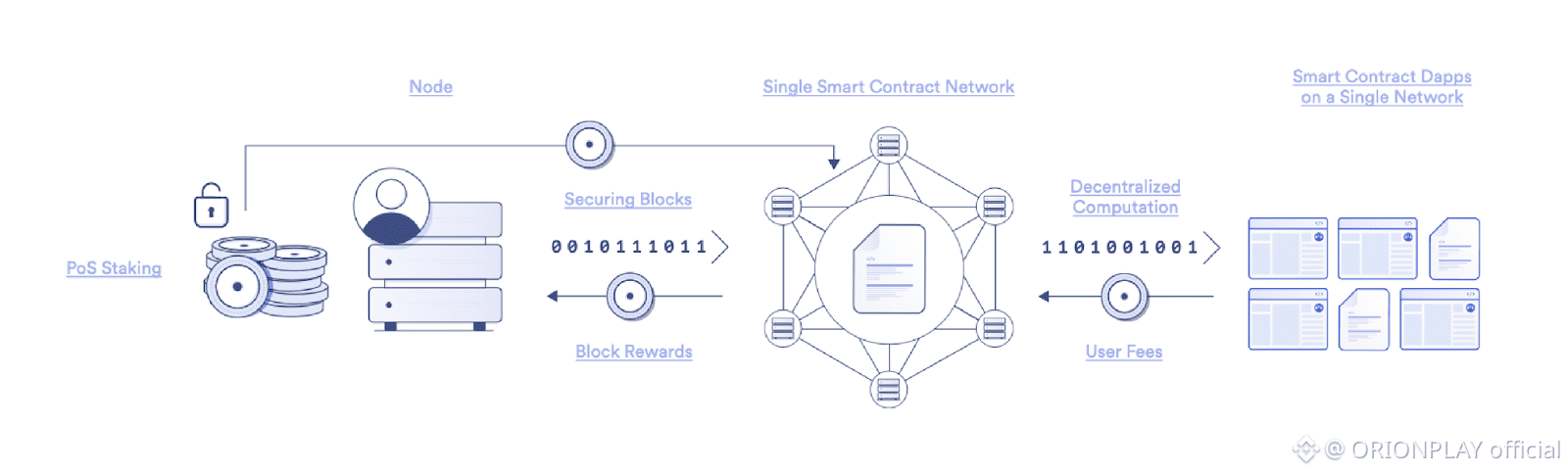
In Walrus, tokens are not primarily distributed to encourage participation.
They are locked to guarantee behavior.
Every storage node:
Operates with staked WAL
Risks that stake continuously
Earns slowly
Loses quickly
This asymmetry is intentional.
Memory systems fail when:
Gains are immediate
Losses are delayed
Exit is cheap
Walrus inverts that equation.
Delegated Staking: Reputation Made Liquid
Walrus does not assume every participant runs infrastructure.
Instead:
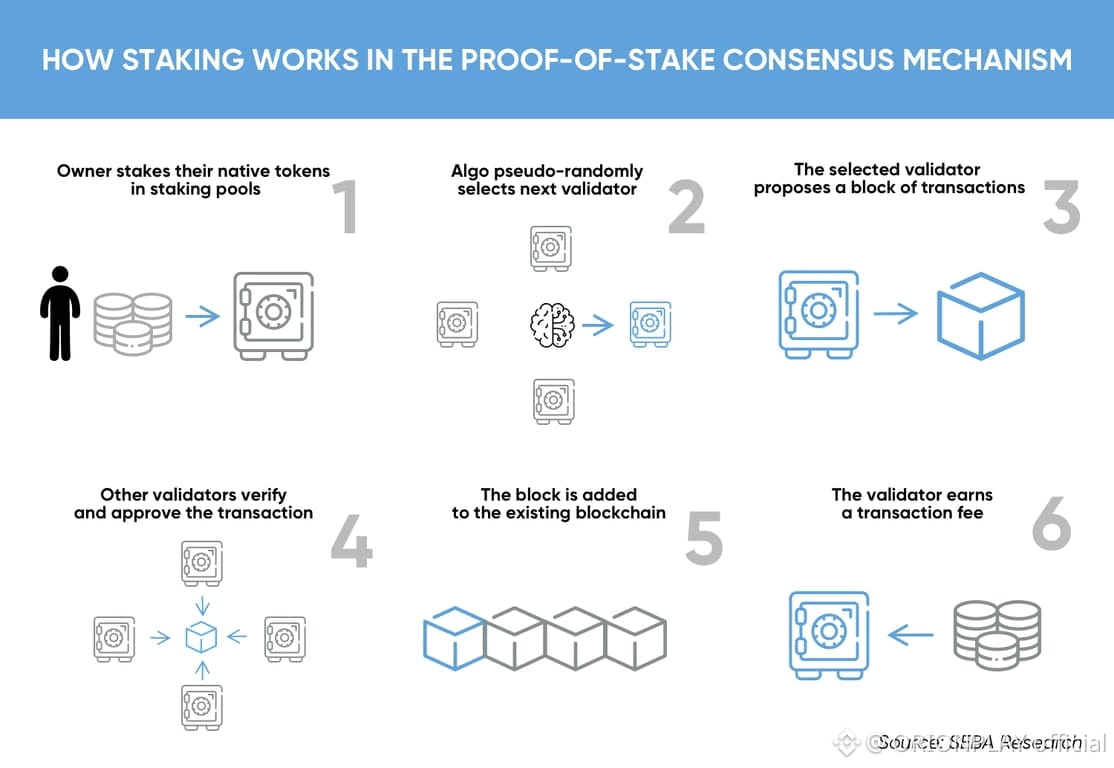
WAL holders delegate stake
Stake attracts shards
Shards create responsibility
Responsibility earns rewards or penalties
Delegators are not passive yield seekers.
They are risk allocators.
Choosing a reckless node is not neutral.
It affects:
Availability
Recovery cost
Network stability
Future yield
This creates a market for trustworthiness, not just uptime.
Why Shards Follow Stake (and Not the Other Way Around)
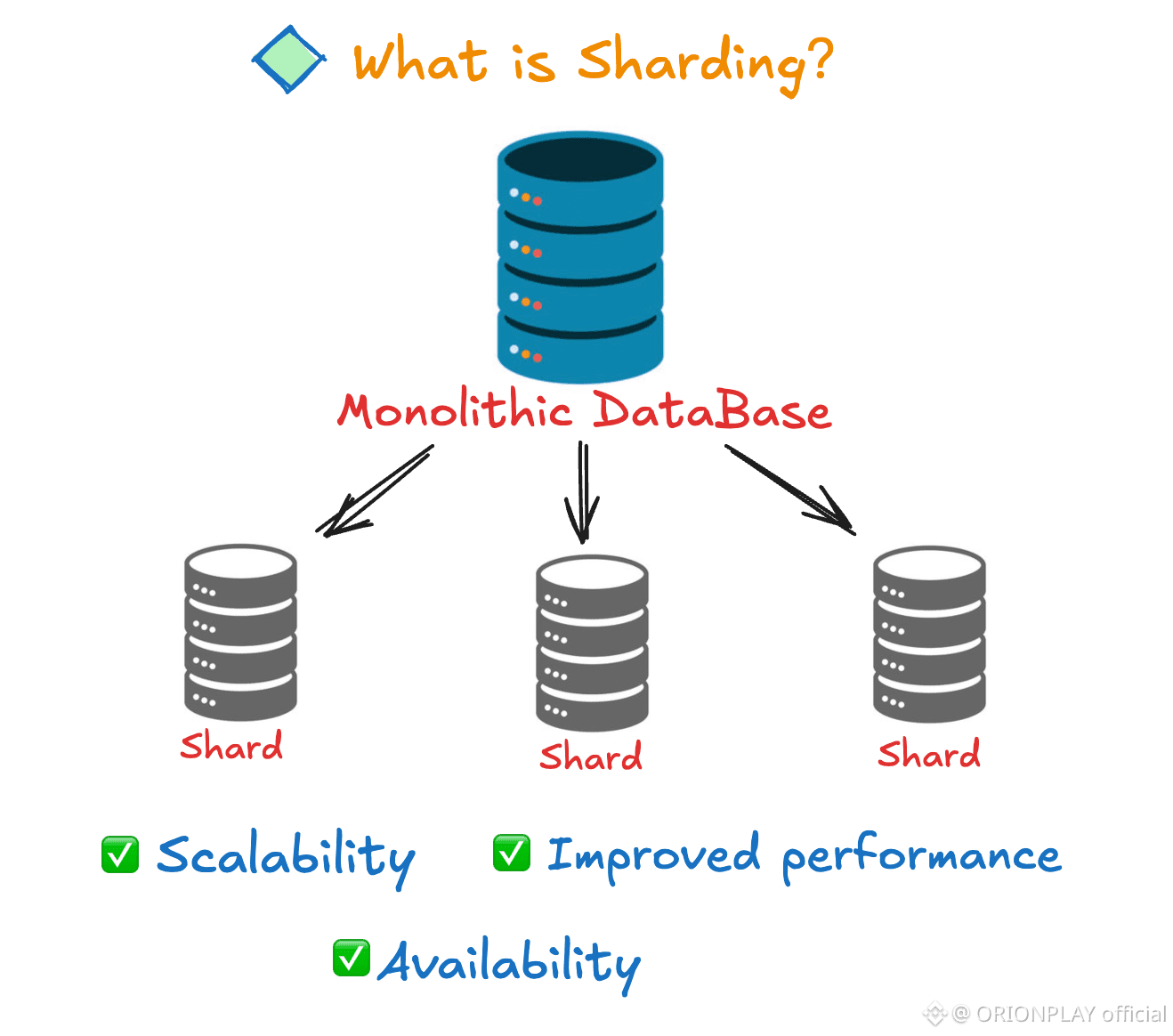
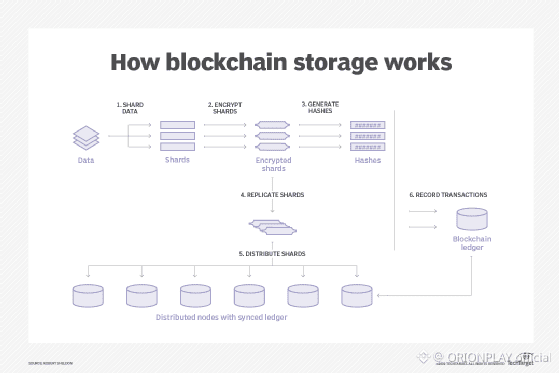
In Walrus, data shards migrate based on stake distribution, not operator preference.
That means:
Capital flows change storage responsibility
Well-capitalized, reliable nodes grow
Weak operators lose influence automatically
This avoids a subtle failure mode seen elsewhere:
where infrastructure ossifies because data is too expensive to move.
Walrus makes data mobile — but not free.
Migration costs exist.
They are paid by whoever caused the imbalance.
Slashing Is Not a Threat — It’s the Default Outcome of Failure
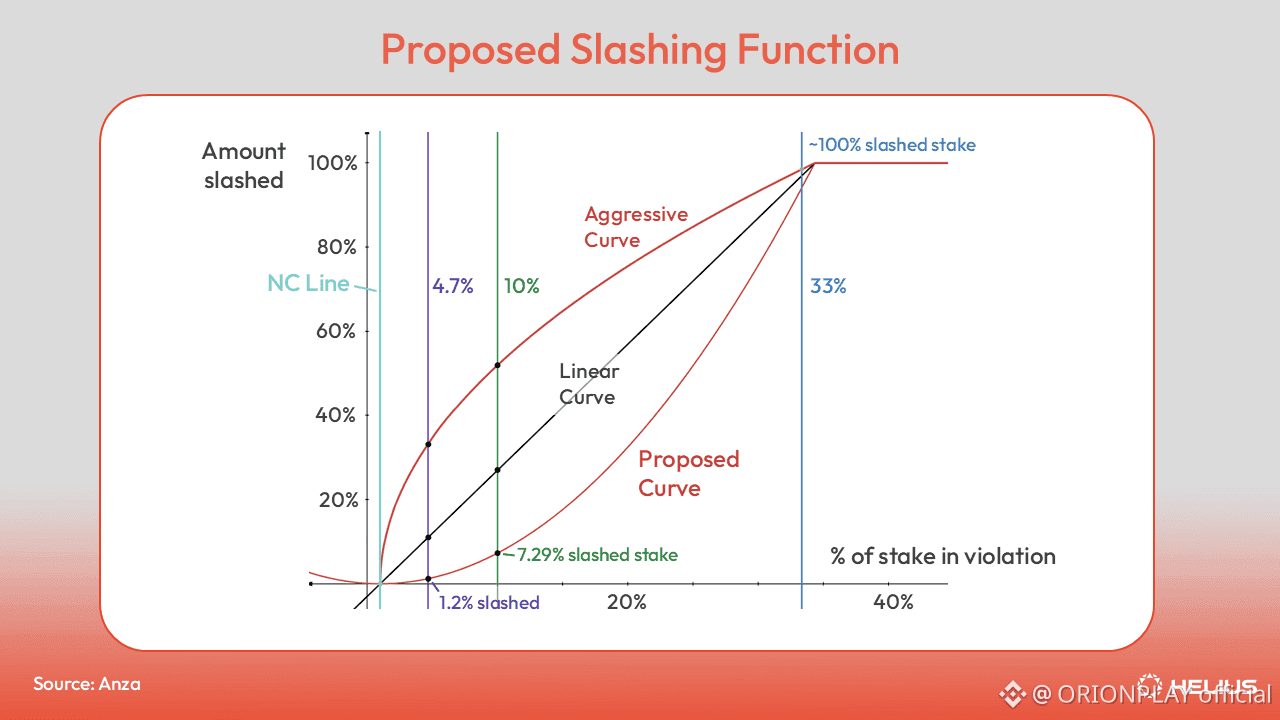
Many systems treat slashing as a rare punishment.
Walrus treats it as inevitable physics.
If a node:
Fails availability challenges
Loses shards
Breaks migration guarantees
Refuses recovery cooperation
Stake is reduced.
No vote.
No arbitration.
No appeal theater.
This removes negotiation from failure.
Memory systems cannot bargain with entropy.
Why Unstaking Is Slow (and Intentionally Annoying)
Quick exits kill long-term systems.
Walrus forces:
Advance notice for unstaking
Capital lock during shard migration
Exposure to penalties until responsibility ends
This discourages:
“Stake, earn, vanish” strategies
Exit-before-failure behavior
Opportunistic abandonment during stress
Leaving Walrus is allowed.
Leaving Walrus cheaply is not.
Storage Pricing Without Auctions or Chaos
Walrus avoids live bidding wars.
Instead:
Nodes submit prices in advance
Prices are aggregated statistically
Extremes are discarded
The system converges on stability
This sacrifices short-term efficiency for predictability.
Storage users know costs ahead of time.
Nodes know revenue expectations.
Contracts are prepaid.
Obligations are explicit.
Speculation is removed from the storage layer.
Write Costs as Behavioral Filters
Writes are not free.
And they shouldn’t be.
Walrus intentionally:
Charges for writes
Requires acknowledgements
Refunds deposits only when nodes cooperate
This does two things:
Discourages spam
Incentivizes full data dissemination
Uploading only to the minimum quorum becomes expensive.
The cheapest path is also the most honest one.
Why Storage Is Time-Bound (and Renewable)
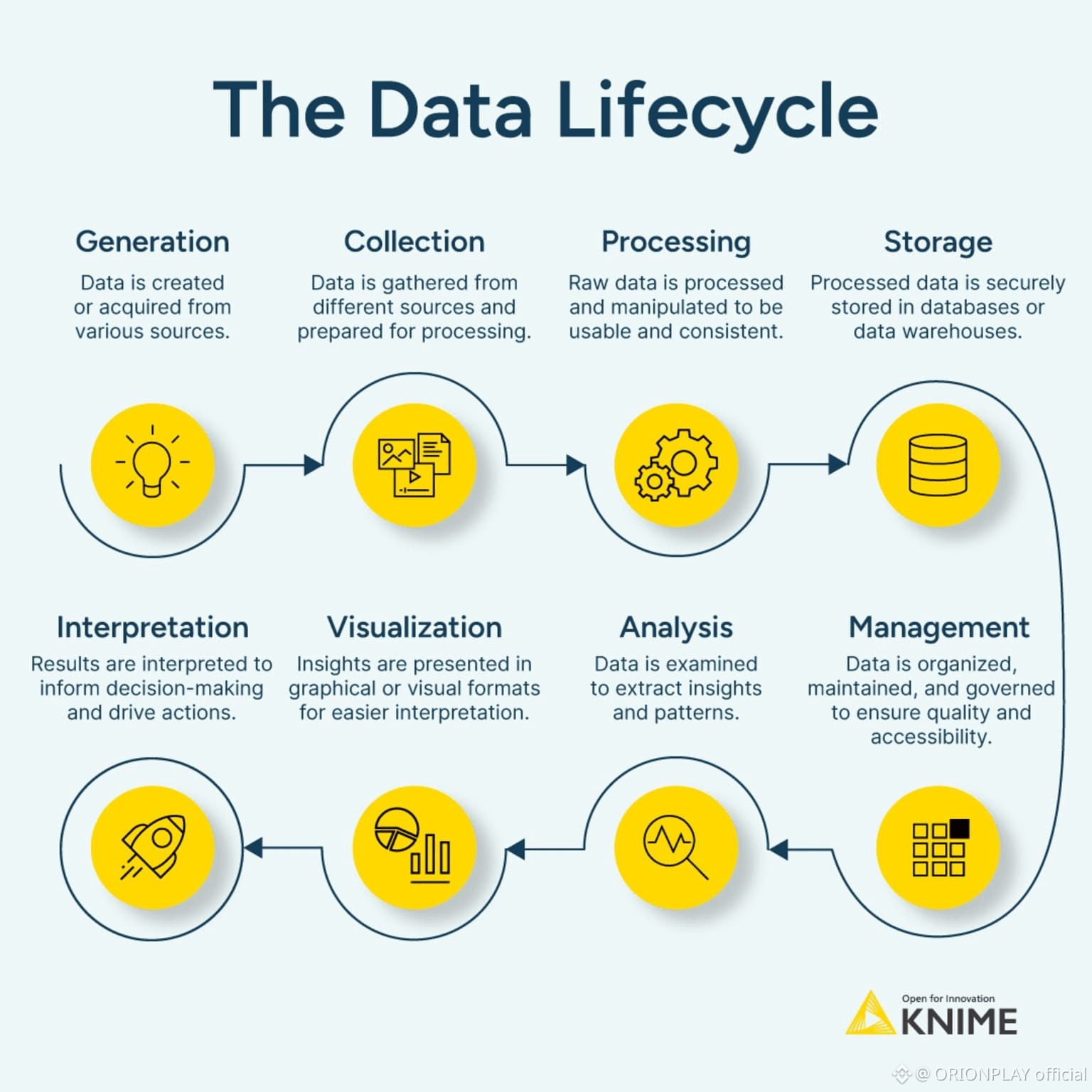
Walrus does not promise infinite storage.
Instead:
Data is stored for defined epochs
Lifetimes are renewable
Expiration is explicit
Renewal requires payment
This avoids:
Eternal liability
Ghost data accumulation
Silent abandonment
Memory is treated as a service — not a graveyard.
WAL Governance Is Boring by Design
Governance in Walrus:
Adjusts parameters
Tunes penalties
Refines pricing logic
It does not:
Mediate disputes
Override protocol rules
Save failing operators
There are no heroic interventions.
The system evolves slowly — like infrastructure should.
Why Walrus Refused the “Cheaper Than Everything” Race
Cheap storage attracts volume.
Volume attracts abuse.
Abuse kills systems.
Walrus intentionally prices above the absolute minimum.
That decision filters:
Speculative demand
Short-lived projects
Data that cannot justify its own existence
What remains:
Infrastructure
Long-term commitments
Serious applications
Durable memory
This is not growth-maximizing behavior.
It is survival-maximizing behavior.
The Deeper Pattern: Economics as Memory Enforcement
At its core, WAL economics answers one question:
Who pays when memory fails?
In Walrus:
Nodes pay with stake
Delegators pay with opportunity cost
Writers pay with fees
Everyone pays transparently
No hidden subsidies.
No inflation cover-ups.
No future bailouts.
Memory has a bill — and it is always settled.
Final Thought ⚙️
Walrus does not try to be exciting.
It tries to be reliable when excitement is gone.
WAL is not designed to moon.
It is designed to outlast enthusiasm.
And in storage, that difference matters more than price charts ever will.

