

🌒 The Problem Most Blockchains Avoid Talking About
Most blockchains love two things:
• Speed
• Hype
But when the conversation moves to real financial markets, something breaks.
Traditional finance demands:
• Privacy
• Finality
• Compliance
• Auditability
Public blockchains usually answer with:
“Trust transparency solves everything.”
Reality says otherwise.
This is where Dusk Foundation enters the room — not loudly, but confidently.
🧩 Dusk Was Never Designed for Retail Speculation
That alone already separates it from most crypto projects.
Dusk Foundation did not start with:
• NFTs
• Meme coins
• Yield farming
It started with a question:
“Can a blockchain support regulated financial assets without sacrificing privacy?”
That question shaped every design choice.
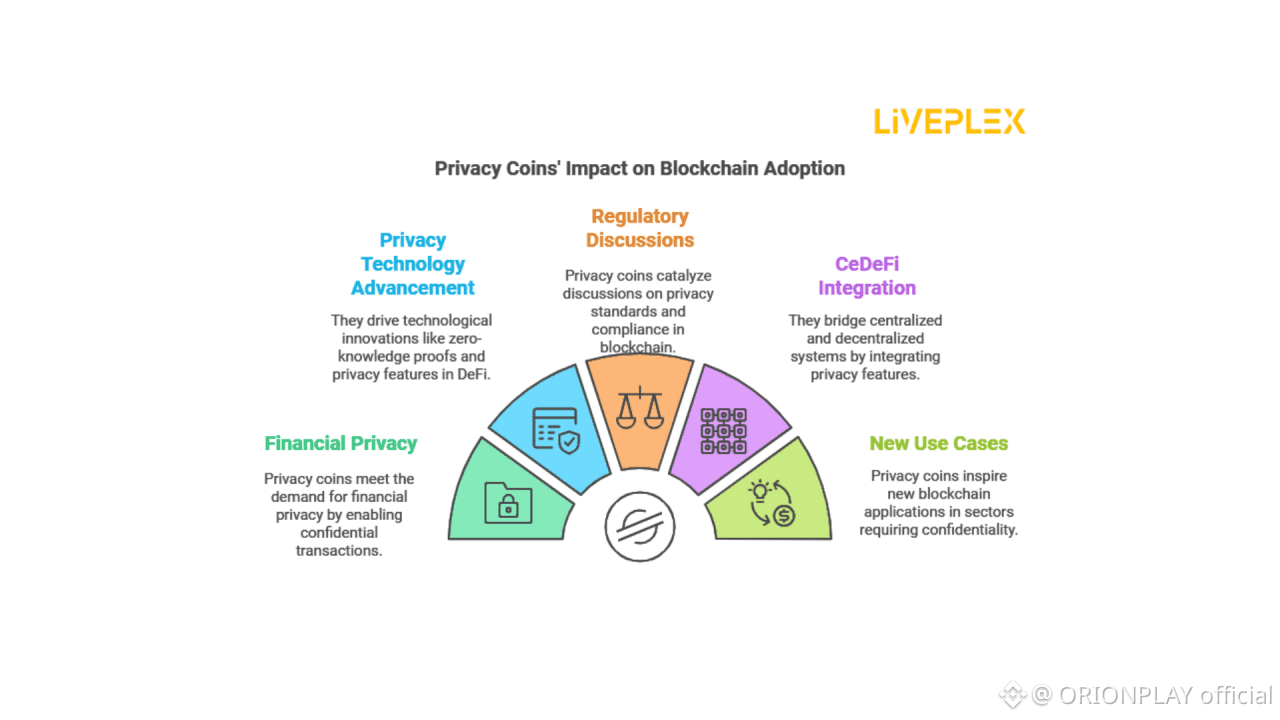
🔐 Privacy ≠ Darkness (A Common Misunderstanding)
Privacy in Dusk is selective, not absolute.
Think of it like:
• Curtains, not walls
• Frosted glass, not black boxes
Transactions can be:
• Confidential
• Verifiable
• Regulation-friendly
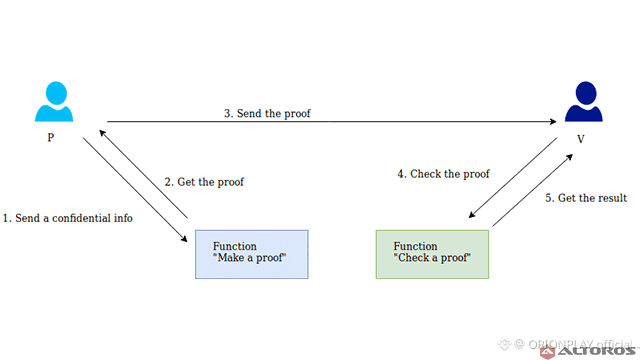
This balance is achieved through native zero-knowledge primitives, not bolt-on solutions .
⚙️ Why Dusk Didn’t Copy Ethereum (And Never Tried To)
Ethereum chose:
• Global transparency
• Account-based state
• Open execution
Dusk chose:
• Confidential execution
• Hybrid transaction models
• Explicit finality
This is not a “better vs worse” debate.
It is a different problem set.
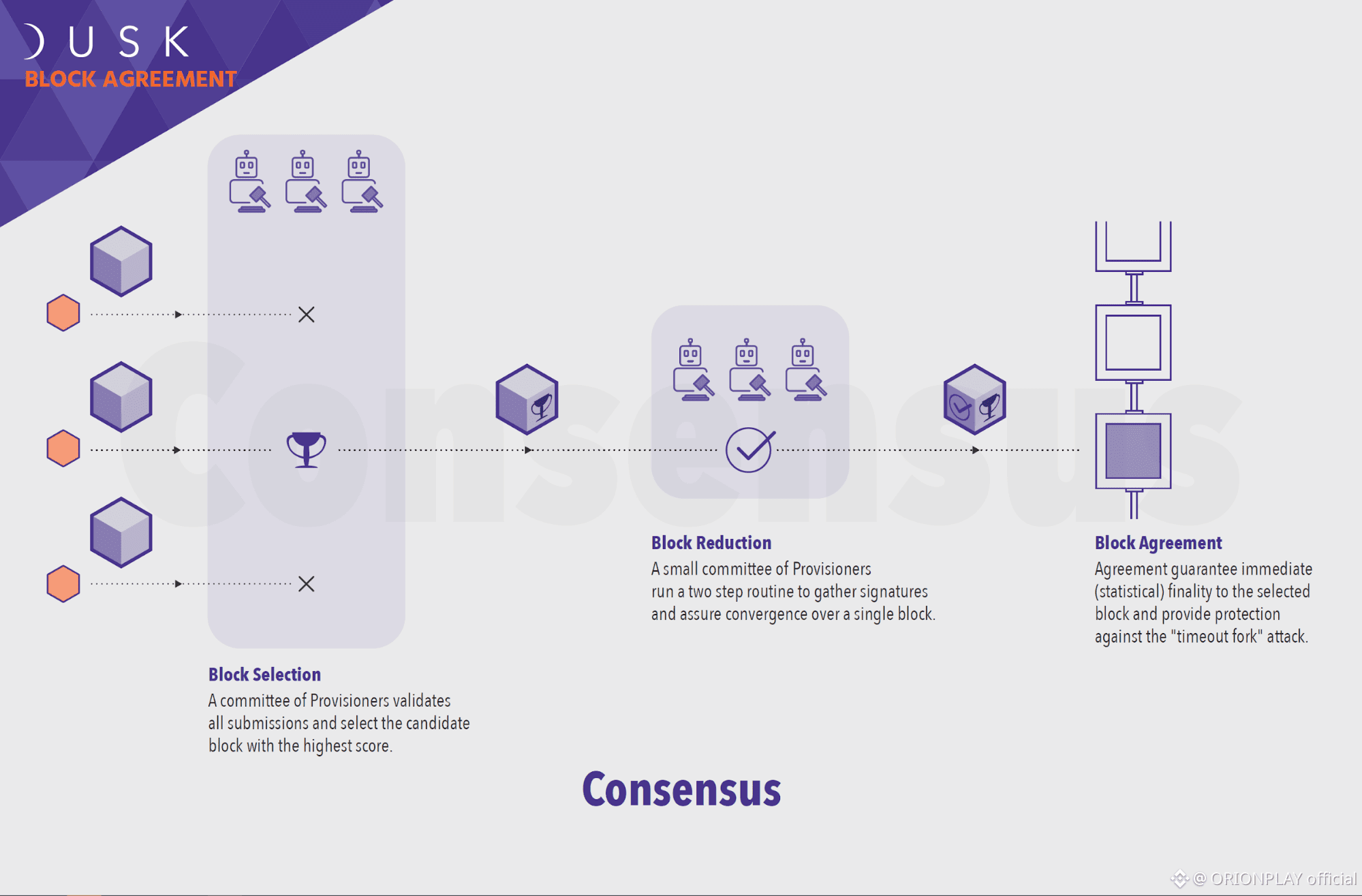
🧠 The Brain of the Network: SBA Consensus
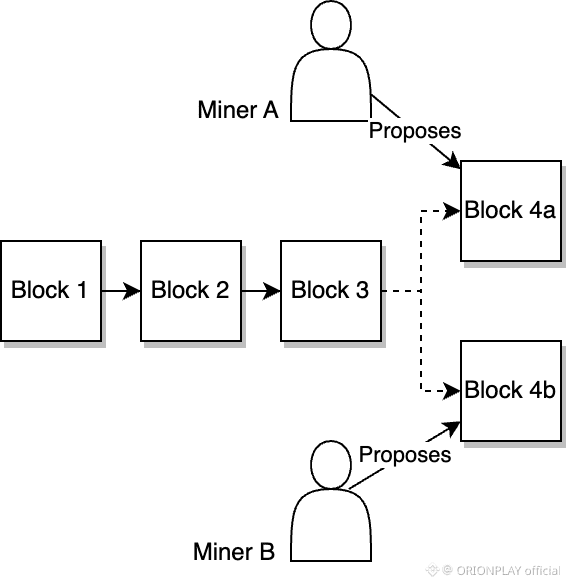
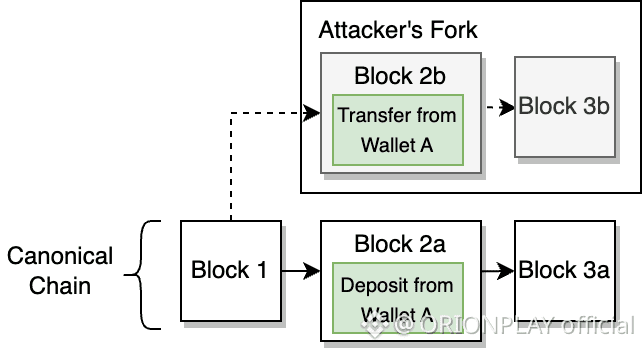
Instead of longest-chain guessing games, Dusk uses Segregated Byzantine Agreement (SBA).
What this means in human language:
• Blocks don’t fight each other
• Finality is near-instant
• Fork probability is mathematically negligible
This matters a lot when dealing with:
• Securities
• Settlement
• Legal ownership
You don’t “wait and see” if a stock trade finalized.
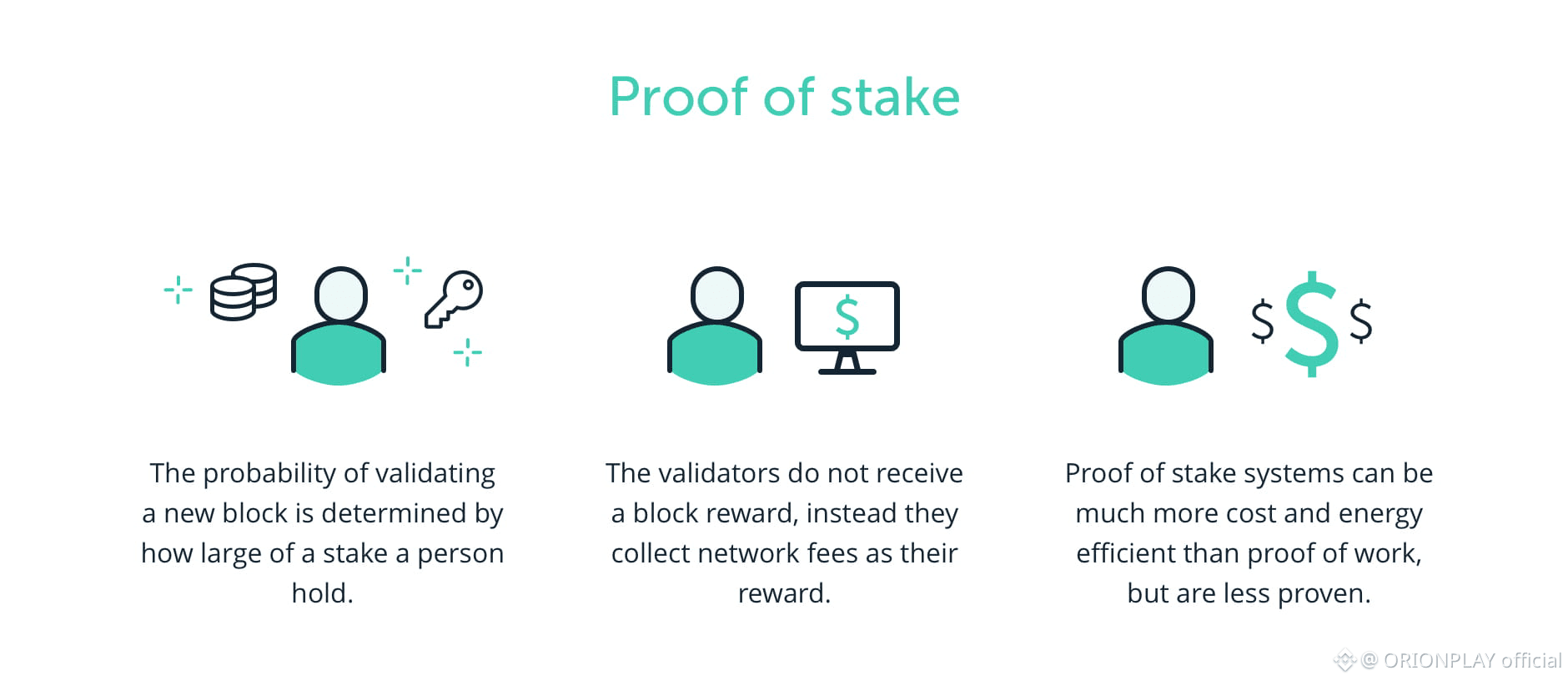
🎯 Proof-of-Blind Bid: Privacy at the Consensus Layer
Most networks expose:
• Who validates
• How much is staked
Dusk hides this without weakening security.
Proof-of-Blind Bid allows:
• Leader selection
• Stake weighting
• Zero identity exposure
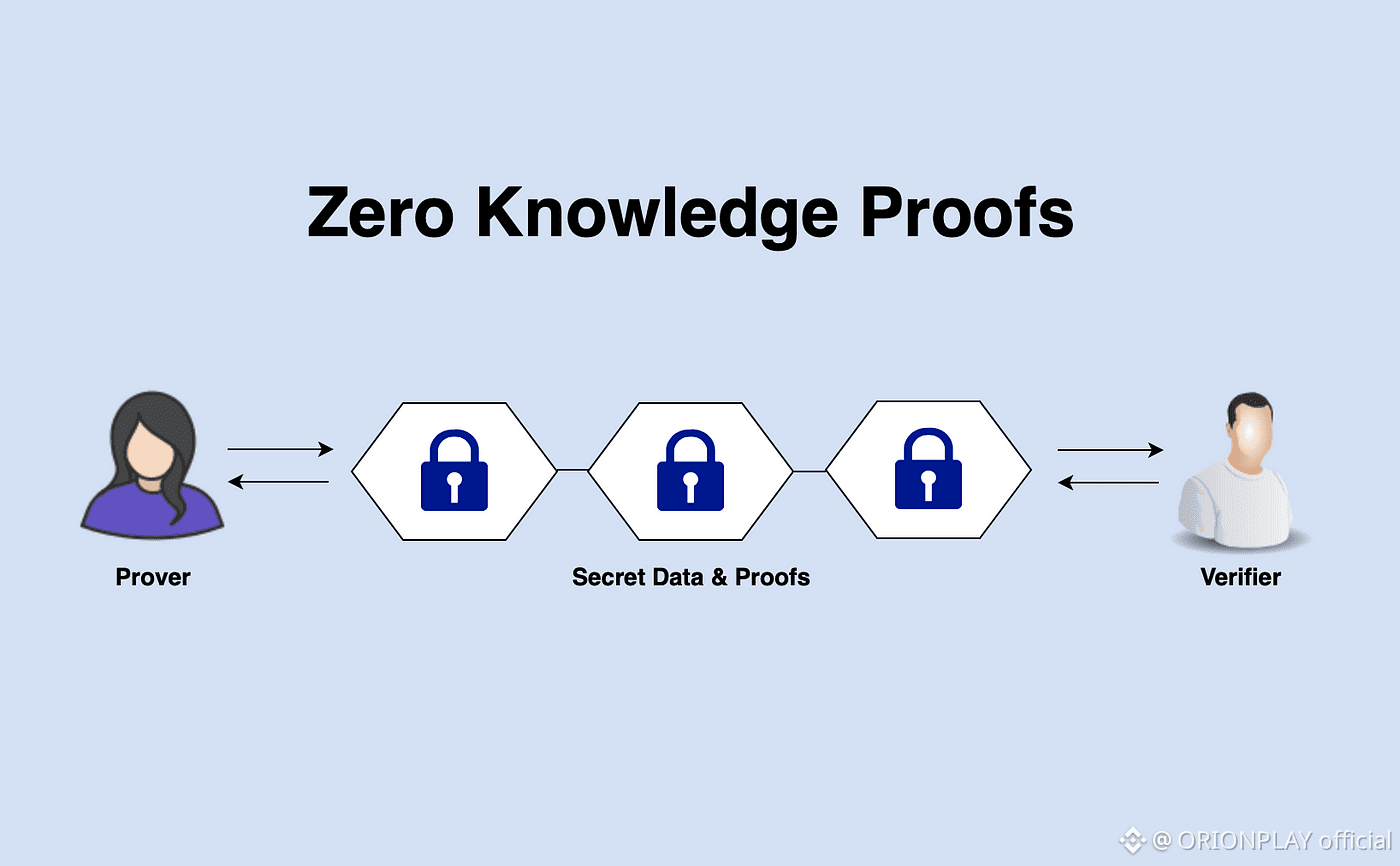
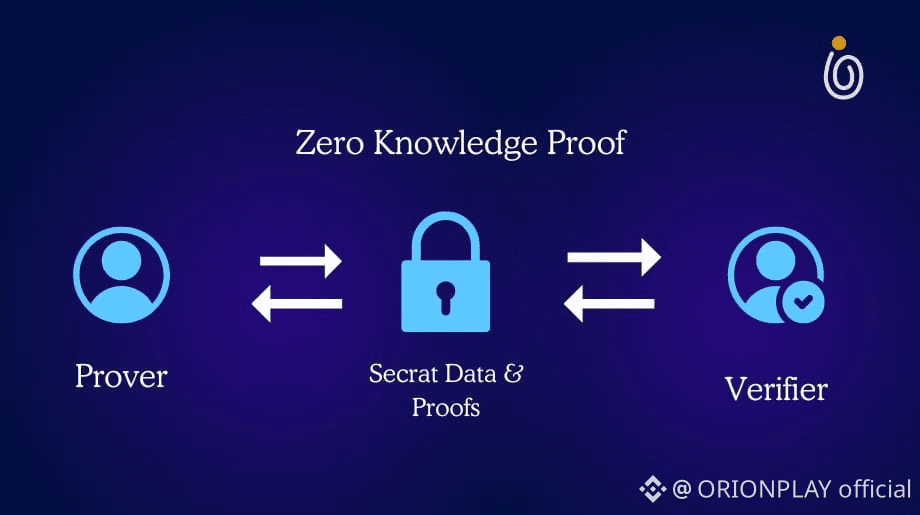
Validators prove eligibility without revealing themselves .
This is rare. And powerful.
😄 A Fun Way to Imagine It
Imagine a sealed auction where:
• Everyone bids
• No one sees bids
• Winner is provably fair
That’s how Dusk picks block leaders.
🧱 Not Just One Ledger, But Two Models Working Together
Dusk doesn’t force one transaction style.
Instead, it uses:
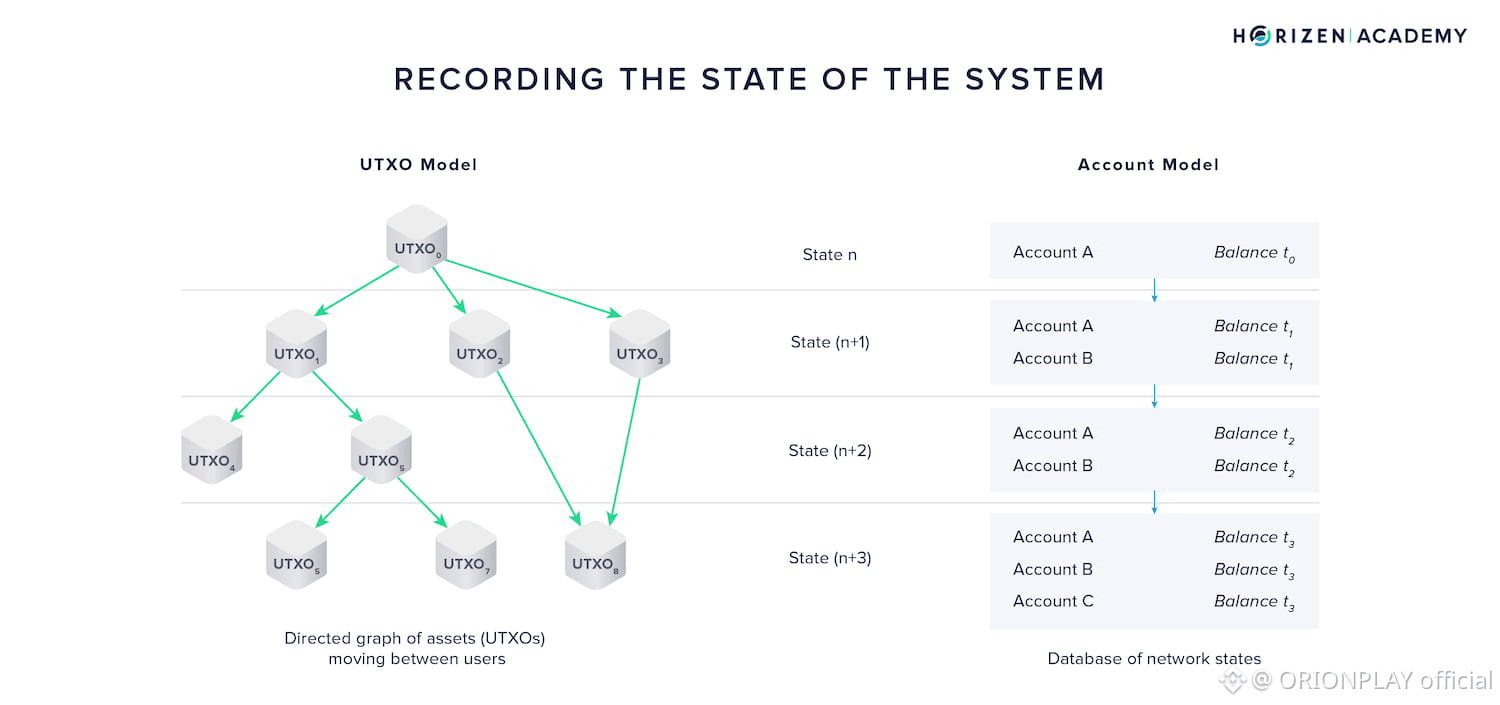
• Phoenix → UTXO privacy for users
• Zedger → Account-based privacy for regulated assets
This dual design is intentional — and extremely hard to implement correctly .
🧠 Why This Matters Long-Term
Most blockchains optimize for:
• Short-term usage
• Developer convenience
Dusk optimizes for:
• Legal compatibility
• Institutional confidence
• Long-term relevance
That choice slows hype — but strengthens foundations.
🧠 Why One Privacy Model Is Never Enough
Most blockchains try to solve everything with one transaction model.
Dusk doesn’t.
Instead, it quietly accepts a hard truth:
What works for anonymous peer-to-peer transfers does not work for regulated financial assets.
So the protocol splits responsibility — cleanly and deliberately.
🔄 Phoenix: Privacy That Scales With Time
Phoenix is Dusk’s UTXO-based privacy engine.
But unlike classic privacy systems, it avoids common traps:
• No ring-size limitations
• No shrinking anonymity sets
• No traceable miner behavior
Here’s the clever part:
👉 Every transaction ever created increases privacy for future ones
So instead of privacy decaying, it compounds.
That’s rare.
🧠 Simple Mental Model
Imagine a crowd where:
• Every new person joins silently
• Everyone looks equally suspicious
• Nobody stands out
That’s Phoenix.
🧾 But Finance Needs Memory (And Audit Trails)
Now comes the uncomfortable truth many crypto communities ignore:
Regulated finance requires:
• Account history
• Balance tracking
• Lifecycle control
• Selective disclosure
Pure UTXO systems struggle here.
This is why Zedger exists.
🧩 Zedger: Privacy With Accountability
Zedger introduces a hybrid privacy model designed for:
• Security token issuance
• Whitelisted participants
• Compliance-friendly audits
But without exposing balances publicly.
How?
Through a structure called Sparse Merkle-Segment Tries .
🤯 What That Actually Means (No Math)
Instead of revealing:
• Full balances
• Full history
Zedger reveals:
• Proofs of correctness
• Segment-level state roots
• Cryptographic commitments
Auditors see truth, not raw data.
Users keep privacy, not secrecy.
😄 A Fun Analogy
Think of Zedger like a bank vault where:
• Inspectors verify totals
• Individual deposit boxes stay sealed
• The math always checks out
⚙️ Rusk VM: The Silent Enabler
All of this would collapse without execution control.
That’s where Rusk VM enters.
Key idea:
• Smart contracts execute with bounded computation
• Zero-knowledge verification is native, not patched in
This avoids:
• Infinite loops
• Gas abuse
• Privacy leaks during execution
It’s not flashy — it’s responsible engineering .
🧠 Why This Architecture Is Rare
Because it’s hard.
Very hard.
• Two transaction models
• Custom VM
• Privacy-aware consensus
• Compliance-aware design
Most teams choose speed.
Dusk chose correctness.
📉 Why Traders Misunderstood This (Then)
Early market reactions often asked:
• “Where is the hype?”
• “Why so slow?”
The answer is simple:
You don’t rush infrastructure meant to handle:
• Securities
• Ownership
• Legal accountability
Airports aren’t built like skate parks.
📈 Why Perception Is Changing (Now)
As crypto matures:
• Institutions ask harder questions
• Regulators stop ignoring blockchains
• Privacy becomes a requirement, not a luxury
Suddenly, Dusk’s design looks less “overengineered”
—and more early.
🧠 The Hidden Strength
Dusk never tried to be:
• Everything for everyone
It chose to be:
• Precise
• Narrow
• Durable
That’s why its architecture ages slowly.
🧠 The Biggest Misread About Dusk
For a long time, Dusk was evaluated using the wrong lens.
People tried to measure it by:
• Hype cycles
• Social noise
• Short-term price action
But Dusk was never competing in that arena.
It behaves like:
• A protocol first
• An asset second
That mindset quietly filters out shortcuts.
🏗️ Infrastructure Has a Different Personality
Infrastructure projects share common traits:
• Slow but deliberate development
• Heavy emphasis on correctness
• Fewer promises, more constraints
This is exactly how Dusk Foundation operates.
Nothing here screams “viral”.
Everything whispers “durable”.
🔍 Why Dusk Doesn’t Chase Trends
NFTs. Memecoins. Sudden narratives.
Dusk observed them — and stayed focused.
Because regulated finance does not care about:
• Seasonal narratives
• Community excitement spikes
It cares about:
• Finality guarantees
• Data minimization
• Legal clarity
• Predictable execution
Dusk’s design answers those questions before they are asked.
🧠 The Long Game Most Miss
The real bet behind Dusk is simple:
Regulation will not disappear.
Privacy will not disappear.
Finance will demand both.
Most chains compromise one side.
Dusk refuses to.
😄 A Light Joke (Because Even Serious Systems Need One)
If blockchains were vehicles:
• Some are race bikes
• Some are sports cars
Dusk is a high-speed train:
• Not flashy
• Not loud
• But impossible to ignore once adopted
📉 Why Progress Looked “Quiet”
Silence was never stagnation.
It was:
• Research
• Formalization
• Testing edge cases
• Designing failure-resistant systems
You don’t notice this work until:
• Institutions show interest
• Use cases require it
• Regulators start asking questions
That’s when silence becomes signal.
📈 Where Dusk Quietly Gains Strength
The moment crypto enters:
• Securities
• Bonds
• Regulated assets
• Institutional settlement
Dusk’s architecture stops being “complex”
—and starts being necessary.
Phoenix handles users.
Zedger handles institutions.
SBA handles certainty.
Rusk VM keeps execution honest.
No duct tape.
No compromises.
🧠 The Psychological Shift Happening Now
Earlier perception:
• “Why is this taking so long?”
Current realization:
• “Oh… this is not built for quick wins.”
That shift matters.
Because infrastructure doesn’t ask for patience —
it demands it.
🔮 Final Thought
Dusk Foundation never tried to win attention.
It tried to solve a problem most chains postponed:
“How does blockchain survive contact with real finance?”
The answer is not louder marketing.
It is better design.
