
Tensions are escalating after U.S. strikes on Iran, but Tehran finds itself increasingly isolated on the global stage. Outside of Russia, meaningful diplomatic or economic backing appears limited, reflecting years of strained and inconsistent alliances.
📌 Key Context • 2014: Iran backed out of a major telecom agreement with the U.S., damaging early economic ties
• 2021: Following a $400B cooperation framework, Iran shifted closer to India — even granting Chabahar Port operations to New Delhi, directly competing with Pakistan’s Gwadar Port
• 2023: Iran–Saudi relations thawed, yet Tehran warned that any direct attack could trigger missile responses across the Gulf
💥 Despite regional conflicts, Iran and India have often aligned strategically — but capital tells a different story: • Investment flows into Iran have steadily declined
• Saudi Arabia has emerged as the primary regional capital magnet
⚠️ Iran’s remaining leverage is largely military: • A sizable missile arsenal offers deterrence, not economic recovery
• The rial has lost roughly 100x of its value over the past decade
• Wealthy elites are reportedly moving capital abroad, mainly toward Western markets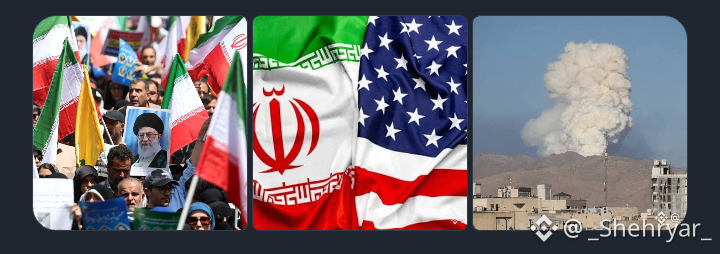
🌐 Market View Rising geopolitical risk in the Middle East could ripple through: • Oil prices and energy volatility
• FX markets and regional assets
• Global liquidity conditions
• Safe-haven flows — with indirect effects on crypto sentiment
For traders and investors, this is less about headlines and more about second-order effects. Geopolitics moves markets through consequences, not narratives.
