Walrus Protocol: Transforming the Future of Decentralized Storage
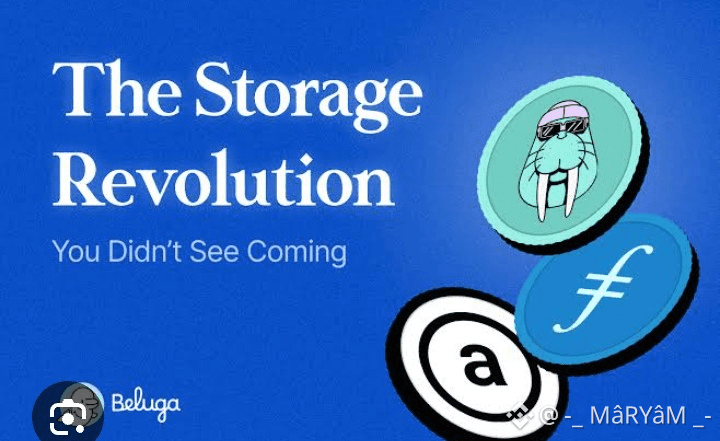
In a landscape where digital content is expanding rapidly, conventional storage options find it difficult to cope. Centralized servers can suffer from downtime, breaches, and information loss. Walrus Protocol provides an innovative option—secure, decentralized, and economical storage designed for the future.
Walrus utilizes the Sui blockchain to share files among a network of autonomous storage nodes. Employing erasure coding, files are divided into fragments with duplication, guaranteeing that data can be retrieved at all times, even if certain nodes become unavailable. This method lowers expenses, enhances productivity, and removes isolated failure points.
The protocol is created for large-scale media, NFT platforms, AI data collections, and decentralized web services. Platforms such as Decrypt and TradePort currently utilize Walrus for the secure storage of content and NFT metadata. With Walrus Sites, developers can build decentralized apps that connect storage to dynamic Sui objects like NFTs, and AI platforms can effortlessly stream training data.
Central to the ecosystem is the WAL token, utilized for storage payments, rewarding network members, and providing governance rights. WAL holders impact network choices and receive rewards for backing the infrastructure, promoting an authentically community-led network.
Walrus Protocol is more than storage; it’s a network for digital memories. By providing permanent, accessible, and verifiable information, it enables creators, developers, and organizations to protect their digital heritage. Strategic collaborations, developer hackathons, and an expanding ecosystem emphasize its ability to serve as the foundation of Web3 storage.
With Walrus, files transform from temporary to permanent, secure, and decentralized, prepared for the challenges of the future's digital landscape.
#walrus #WalrusProtocol #DecentralizedStorage #Web3Progress