
Blockchain technology has grown fast, but adoption in real finance has moved slowly. The reason is simple. Most blockchains were built for openness, not for regulated environments. Financial institutions need privacy, accountability, and legal clarity. Dusk Foundation is working in this exact space, where blockchain innovation meets real financial requirements. Instead of promising disruption, Dusk focuses on building a system that finance can actually use.
1. Why Traditional Finance Needs a Different Blockchain
Banks, exchanges, and asset managers operate under strict rules. Every transaction must be auditable, yet sensitive information cannot be exposed publicly. Most blockchains fail here because everything is visible by default. Dusk takes a different approach by designing privacy into the core layer. This allows transactions to be verified without revealing confidential details. For financial institutions, this balance is essential.
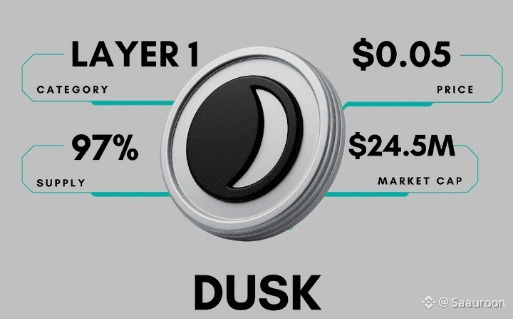
2. Privacy as a Functional Requirement, Not a Feature
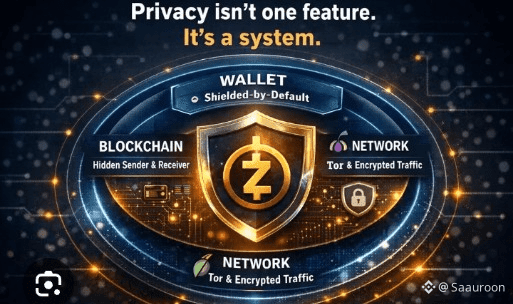
In many crypto projects, privacy is optional or external. On Dusk, privacy is foundational. Transactions can remain confidential while still being provable. This is important for trading activity, settlement processes, and client protection. Instead of hiding activity, Dusk ensures that only the required information is visible to the right parties. This makes blockchain suitable for professional financial use.
3. Regulation as a Path to Adoption
Some projects treat regulation as an obstacle. Dusk Foundation treats it as a bridge. Regulation provides clarity, protection, and trust. By aligning with regulatory frameworks, Dusk makes it easier for institutions to explore blockchain technology without legal uncertainty. This approach reduces risk and increases confidence. Innovation continues, but inside a structure that supports long-term growth.
4. Enabling Real-World Assets to Move On-Chain
Real-world assets are a major opportunity for blockchain adoption. However, tokenizing assets requires privacy, compliance, and legal recognition. Dusk provides infrastructure that supports these needs. Assets can be issued, traded, and settled on-chain while respecting financial rules. This turns tokenization into a practical solution instead of a theoretical idea.
5. Designed for Institutions, Not Just Developers
Institutional users think differently from retail users. They need stability, predictable costs, and reliable settlement. Dusk is built with these expectations in mind. Its architecture supports efficient transactions and secure operations. Institutions can integrate without changing how they operate internally. This lowers the barrier to entry and speeds up adoption.
6. Improving User Experience Without Sacrificing Security
Blockchain complexity often discourages users. Dusk allows applications to manage transaction fees internally, removing friction for end users. This means users interact with services, not technical steps. When systems feel familiar, adoption increases. Dusk understands that technology should feel invisible to users while remaining secure underneath.
7. Building Infrastructure That Outlasts Market Cycles
Markets rise and fall, but infrastructure remains. Dusk Foundation focuses on long-term development rather than short-term excitement. This patient approach allows technology to mature properly. Many successful financial systems were built quietly before gaining recognition. Dusk follows the same path by prioritizing reliability over attention.
8. What Makes Dusk Relevant in the Future of Finance
The future of blockchain depends on its ability to serve real economic activity. Privacy, compliance, and efficiency are no longer optional. Dusk Foundation brings these elements together in a single framework. This positions it as a serious contender in regulated blockchain finance. Dusk is not trying to replace traditional systems overnight. It is helping them evolve.
Conclusion
Dusk Foundation represents a thoughtful evolution in blockchain design. By addressing the needs of real finance, it moves blockchain beyond speculation and experimentation. Its focus on privacy, regulation, and usability makes it relevant for institutions and users alike. In a space filled with noise, Dusk builds quietly and deliberately. This approach may not be loud, but it is sustainableand that is what real adoption requires.
