Plasma is a new kind of Layer-1 blockchain built with one clear goal: make stablecoins work like real everyday money. Instead of trying to do everything at once, Plasma focuses almost entirely on payments and settlement. The idea is simple but powerful sending stablecoins like USDT should be instant, free, and smooth, without the delays, fees, and complexity people face today on Ethereum, Tron, or other general-purpose chains.
At its core, Plasma is designed for speed and simplicity. Transactions finalize in under a second, and the network can handle thousands of transfers at the same time. This means users don’t have to wait, and merchants don’t have to worry about reversals or congestion. For basic stablecoin transfers, Plasma aims to remove fees altogether, so sending money feels as natural as sending a message.
One of Plasma’s biggest strengths is that it’s fully compatible with Ethereum. Developers can use the same smart contracts, tools, and programming languages they already know, thanks to its Ethereum Virtual Machine setup powered by the Reth execution client. This makes it easy for existing DeFi apps and payment tools to move over without starting from scratch.
Plasma also fixes a major user experience problem in crypto: gas fees. On most blockchains, users must hold a native token just to pay fees. Plasma changes this by allowing fees to be paid directly in stablecoins like USDT, and even in assets like Bitcoin. For everyday stablecoin payments, a built-in paymaster system can cover the cost entirely, making transfers effectively free for users.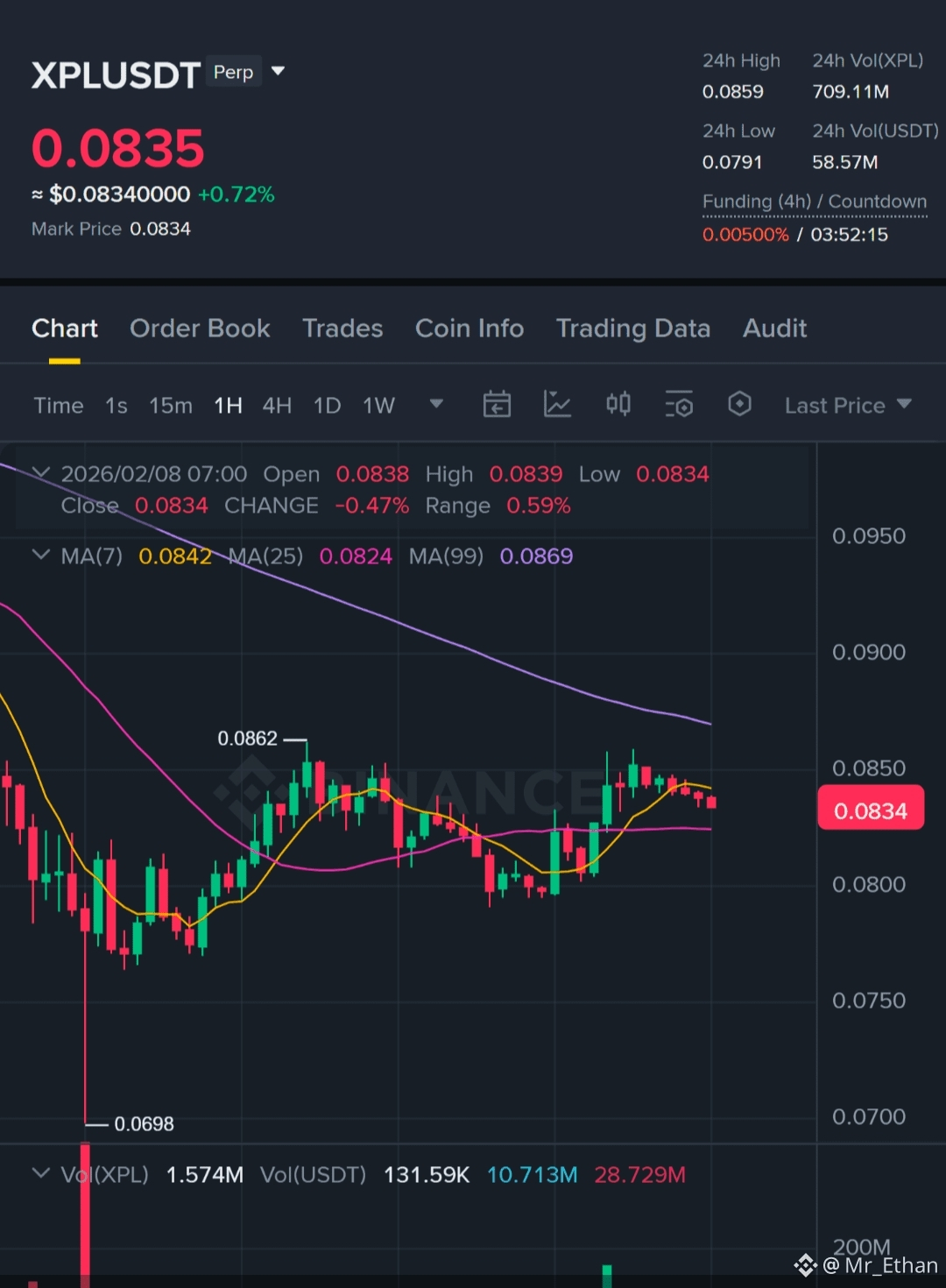
Security is another key part of Plasma’s design. While it runs as its own independent blockchain, it regularly anchors checkpoints to Bitcoin. This adds an extra layer of neutrality and censorship resistance, borrowing strength from the most secure blockchain in the world.
The project reached a major milestone with the launch of its mainnet beta on September 25, 2025. From day one, Plasma attracted massive liquidity, with over two billion dollars in stablecoins flowing into the network through integrations with major DeFi protocols. Reports soon suggested that total value locked continued to grow rapidly, pushing toward the five-billion-dollar range as more users and applications joined the ecosystem. This instantly placed Plasma among the top blockchains in terms of stablecoin activity.
Plasma’s native token, XPL, plays a central role in the network. It’s used for staking, securing the chain, rewarding validators, and supporting the broader ecosystem. The total supply is around ten billion tokens, with a portion already circulating since launch. XPL is listed on several major exchanges, and early trading showed strong interest, though the market is still figuring out its long-term value as adoption grows.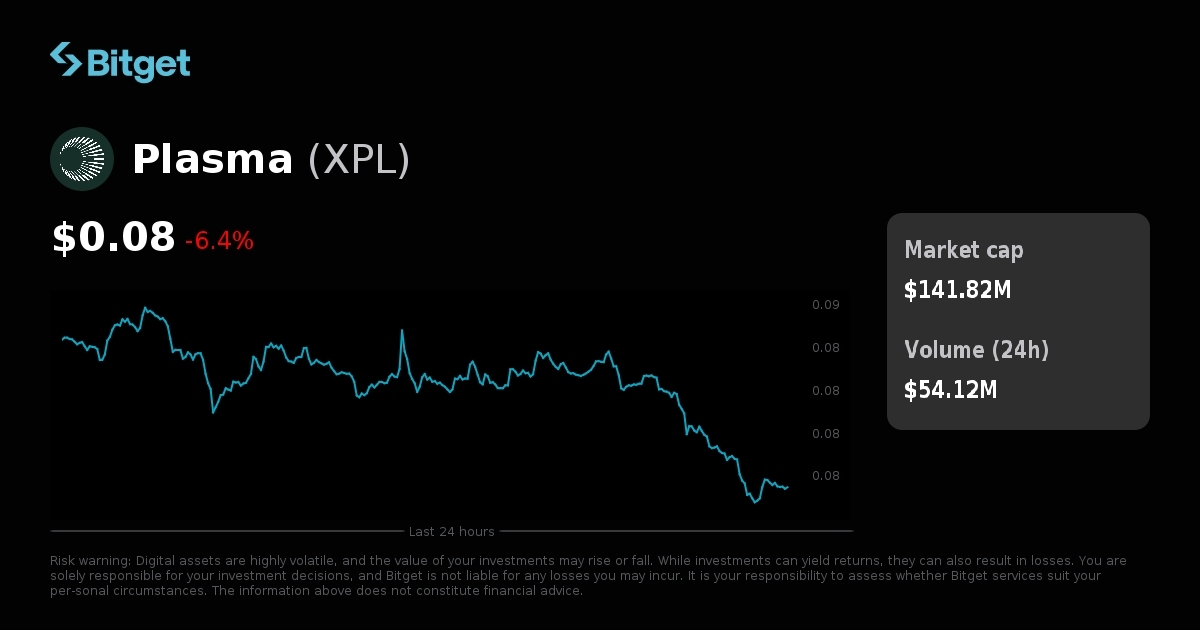
Beyond liquidity, Plasma is steadily building out its ecosystem. Data providers like Covalent already support the network, making it easy for developers and analysts to track activity. Wallets, DeFi platforms, and payment services are beginning to integrate Plasma as a stablecoin settlement layer, especially for fast transfers and real-world payment use cases.
In the bigger picture, Plasma fits into a growing trend toward specialized blockchains. Instead of competing head-on with general networks like Ethereum or Solana, Plasma positions itself as the go-to settlement rail for stablecoins. Analysts see this as a smart move, especially as stablecoins become more important for global payments, remittances, and institutional finance.
Of course, challenges remain. Plasma’s success will depend on how quickly wallets, exchanges, and payment platforms adopt it. Competition from other fast and low-cost networks is intense, and regulatory rules around stablecoins vary widely across regions. There’s also the usual crypto risk of market volatility as more tokens unlock over time.
Still, Plasma’s message is clear and focused. It’s not trying to reinvent everything. It’s trying to make money move better. If stablecoins are going to power the future of digital payments, Plasma wants to be the chain that makes them finally feel simple, fast, and free.