

When I think about Vanar, I don’t think about it as a technical project first, I think about the feeling of using something that doesn’t make you nervous. Most people don’t talk about this part of crypto, but there is always a small tension when someone opens a wallet or sends a transaction, like a background fear that one mistake could cost them money. That emotional weight is heavier than we admit, and I read Vanar as an attempt to design around that feeling instead of ignoring it. The team’s roots in games, entertainment, and brand ecosystems suggest they understand that ordinary users don’t forgive friction. If an experience feels stressful, they close it. If it feels complicated, they never come back. Vanar feels like it is asking a softer question than most chains: what would Web3 look like if it respected how people actually behave online?
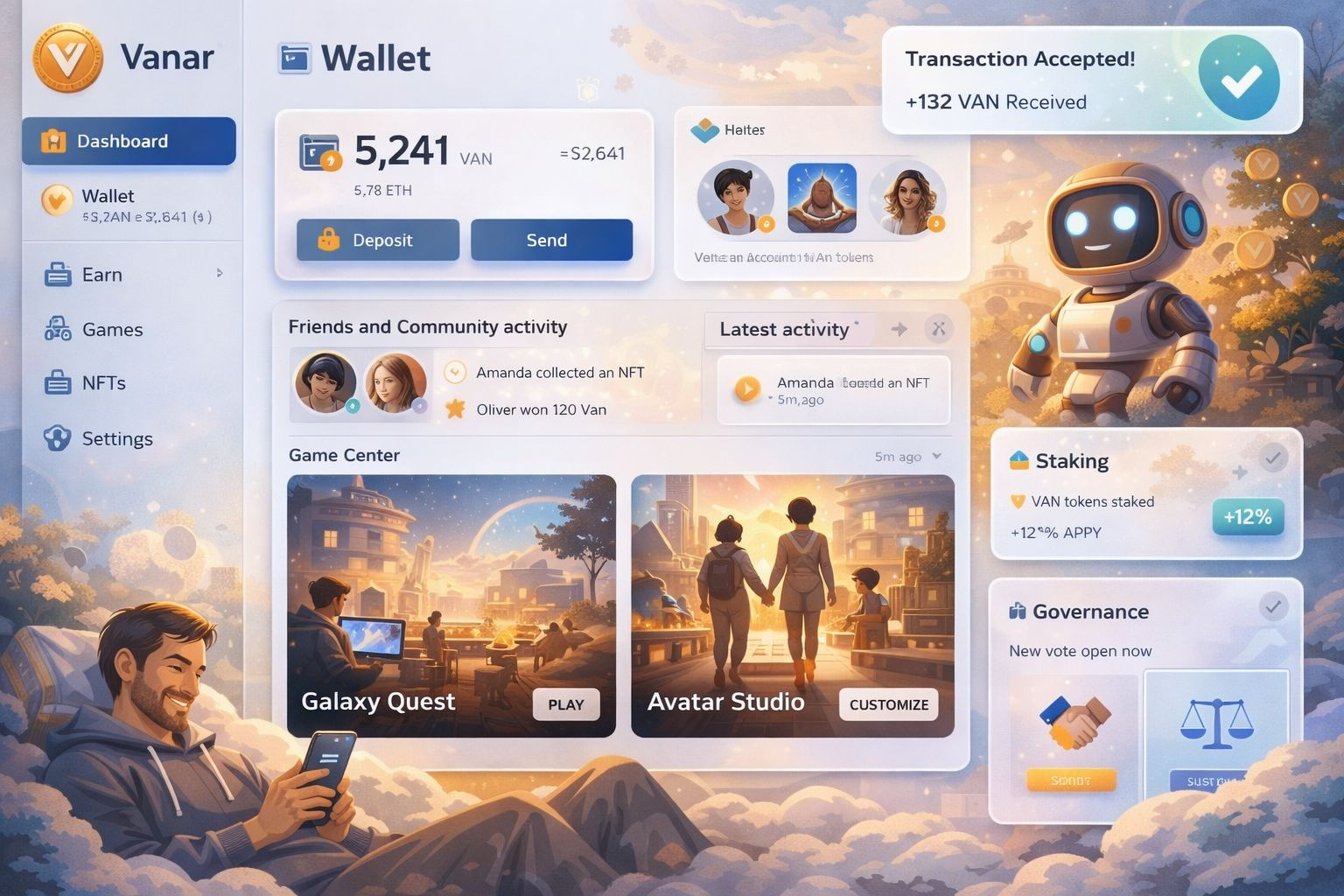
The idea of bringing billions of new people into Web3 only works if those people never have to think of themselves as crypto users. I keep coming back to that. The next wave of adoption will not arrive because people suddenly fall in love with blockchain terminology. They will arrive because they want to play a game, explore a digital space, collect something meaningful, or participate in a community that feels alive. If the infrastructure is invisible, adoption becomes natural. Gaming, metaverse environments, AI layers, eco systems, and brand platforms are emotional entry points, not just markets. They are places where people already spend time and attention. If ownership and value flow quietly inside those places, users don’t feel like they are learning a new technology, they feel like they are extending their normal digital life.
Virtua Metaverse and the VGN games network matter to me because they make the story concrete. A blockchain without lived experiences is just a promise. A blockchain attached to spaces where people actually return every day starts to feel like a world. Habits form around enjoyment, not infrastructure. Someone logs in to play, to customize, to interact with friends, and over time they are participating in an on-chain economy without framing it that way. That is when adoption stops being theoretical. It becomes routine. The more routine something feels, the more trust it earns, and trust is the real currency of consumer technology.
I think about the VANRY token in the same emotional way. In a consumer ecosystem, a token cannot feel like a puzzle the user has to solve. It has to behave like a quiet key that opens doors without demanding attention. If VANRY supports access, participation, staking, and governance in a way that feels smooth, people will use it because they want what it unlocks, not because they feel obligated to understand it. The healthiest token economies are the ones where the product pulls the token forward. When people care about the experience, the economic layer becomes a natural extension of that care.
What stands out to me is how unforgiving real-world adoption is. People don’t negotiate with bad onboarding or unpredictable costs. They simply leave. That reality creates pressure, but it is a healthy pressure. It forces a chain to treat reliability as a promise. Every successful transaction, every stable interaction, every moment where nothing goes wrong builds a small deposit of trust. Over time those deposits compound into confidence. If Vanar can consistently feel calm to use, that calm will spread by word of mouth faster than any marketing campaign.
I keep thinking onboarding should feel like entering a familiar room, not passing an exam. The fewer moments where a new user feels stupid or afraid, the wider the system can grow. If someone can start exploring first and learn the mechanics later, the barrier disappears. Complexity can exist under the surface for developers and advanced users, but the front-facing layer should feel gentle. Adoption grows in environments that respect human hesitation instead of shaming it.
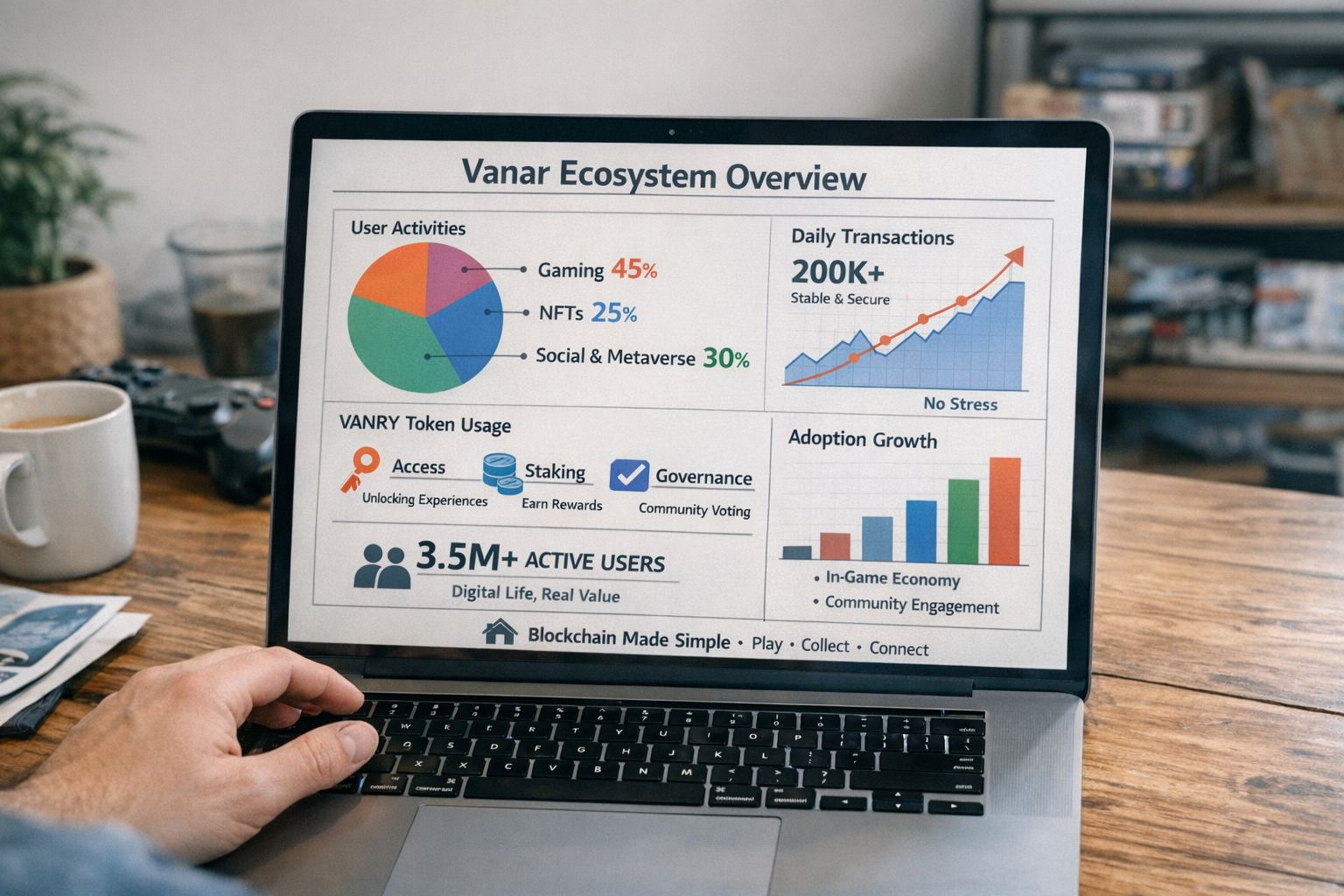
There is also something important about tying the ecosystem to experiences people can feel directly. Access to communities, ownership inside games, creative identity, brand participation, and digital belonging are emotional anchors. Tokens and infrastructure gain meaning when they attach to moments people remember. If someone associates Vanar with a space where they had fun, met friends, or built something personal, the chain stops being abstract. It becomes part of their story.
What I keep returning to is the idea that Vanar is chasing normality, and that is a radical goal in a space obsessed with spectacle. The most successful technology in history disappears into everyday life. We don’t celebrate electricity every time we flip a switch. We trust it. If Vanar can make blockchain interactions feel ordinary, safe, and almost invisible, that quiet success will matter more than dramatic headlines. It will mean Web3 has crossed a psychological threshold where people are no longer visiting it as a curiosity, they are living inside it as a habit, and habits are where real adoption begins.
